
If you have young kids, you already know the kitchen can feel like the busiest room in the house. One minute you are making dinner, and the next you are wiping up juice, moving a chair away from the counter, or reminding someone not to touch the stove. A family-friendly kitchen design should make those everyday moments easier to manage.
In this guide, we will look at the features worth prioritizing first, from layout and storage to durable finishes and kitchen safety features for families with young children.
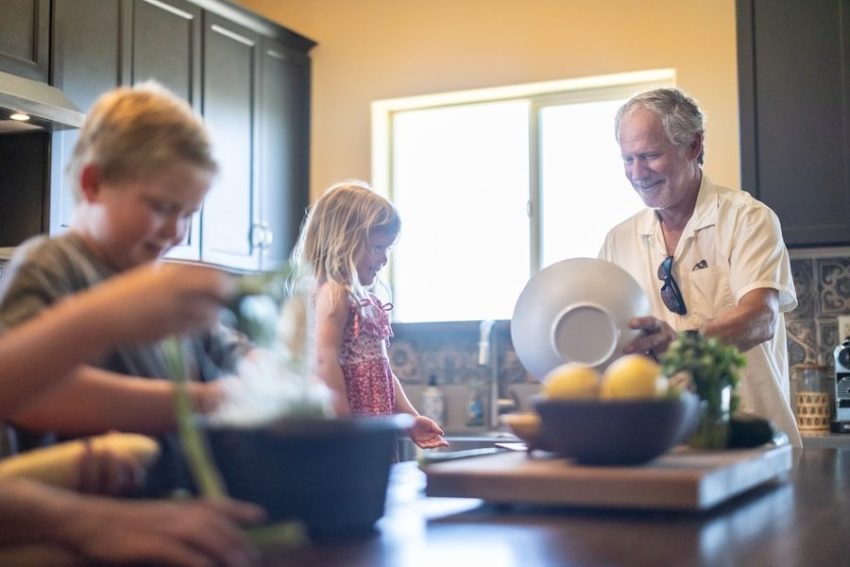
Why Family-Friendly Kitchen Design Matters for Homes with Young Children
When you are planning a kitchen remodel, it is easy to focus on the big visual choices first. Cabinets, counters, tiles, and paint colors usually get the most attention. But for families with young children, the way the kitchen functions day by day matters just as much. A cabinet in the wrong spot, a tight walkway, or storage that puts everything within reach can become a small frustration you deal with over and over again.
A functional kitchen layout can make the room feel more manageable. It gives parents enough space to cook and clean while helping kids move through the kitchen without constantly crossing into the busiest work areas. Knowing which kitchen remodeling priorities are worth focusing on first can help you create a space that works better now and continues to serve your family for years.
Plan a Functional Kitchen Layout That Keeps Kids Out of High-Risk Zones
A functional kitchen layout should make it easy for parents to cook while keeping kids away from the busiest work areas. The stove, oven, and prep counter should not sit directly in the main path between the fridge, pantry, island, and dining area.
Think about where your kids naturally go for snacks, drinks, or seating. If they have to pass behind the cooktop every time, the layout may need a better traffic path.
Try to keep kid-friendly areas away from hot appliances. For example:
- Place snack drawers near the fridge or pantry.
- Avoid island seating directly behind the cooktop.
- Keep a clear route to the fridge.
- Store kid-safe dishes away from the oven.
- Leave enough space around the island for easy movement.
The goal is not to keep kids out of the kitchen. It is to help them move through it more safely.
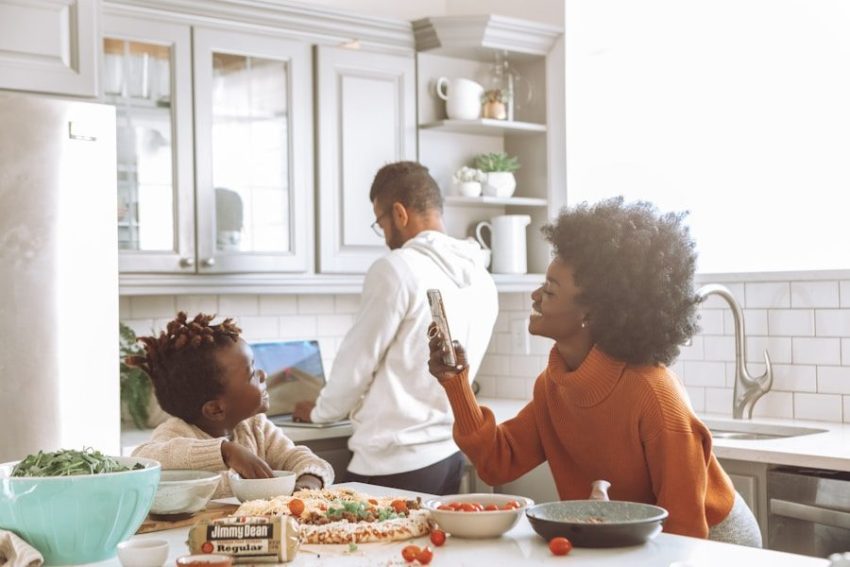
Create “Yes Zones” and “No Zones” for Storage
Instead of filling lower cabinets with random kitchen items, think about which areas should be safe for children to use. A “yes zone” can hold kid-friendly dishes, water bottles, lunch boxes, napkins, or snacks. These are the things children can grab without needing help every time.
A “no zone” is for anything that should stay out of reach. Knives, cleaning sprays, glass bowls, small appliances, medications, and breakable serving pieces should be stored higher up, locked away, or placed in cabinets children do not use. This simple approach makes childproofing easier because you are not trying to secure every cabinet after the fact.
Here are some additional tips for setting up safer family storage:
- Use deep drawers for kid-safe dishes, cups, and lunch containers.
- Keep cleaning products in a locked cabinet, not under the sink if children can access it.
- Store knives, peelers, scissors, and other sharp tools in a higher drawer or locked insert.
- Use pantry bins for approved snacks so kids know what they are allowed to grab.
- Place heavier items, like mixers or large pots, where children cannot pull them down.
- Add child locks to any lower cabinet that holds breakable or hazardous items.
- Keep medications and vitamins out of the kitchen or in a locked upper cabinet.
Prioritize Durable Kitchen Materials in High-Traffic, High-Mess Areas
Durability matters most in the parts of the kitchen your family uses all day. A delicate finish might look beautiful at first, but it can become frustrating if it stains easily, scratches quickly, or needs special care after every spill. With young kids, pets, snacks, crafts, and daily cooking, the most-used surfaces should be chosen with real life in mind.
Before selecting colors and finishes, homeowners should focus on the features that will have the greatest impact on daily life. The team at Kitchen & More recommends prioritizing layout, storage, and functionality to ensure the remodel delivers long-term value.
Good places to prioritize durable kitchen materials include:
- Counters used for food prep, lunch packing, and snacks
- Floors near the sink, dishwasher, and pet bowls
- Cabinet doors around the trash, pantry, and snack areas
- Backsplashes behind the stove and main prep space
- Walls or trim near seating areas where hands and chairs touch often
Reduce Everyday Kitchen Hazards for Young Children
Whether you’re planning a small kitchen renovation or a major remodel, safety should be considered alongside layout, storage, and material choices. Young children are naturally curious, so kitchen safety should be part of the design from the beginning. Before finalizing the design, think about the parts of the kitchen your child will naturally be drawn to. Lower drawers, appliance handles, stools, cabinet doors, and loose cords are all worth planning around.
Some helpful kitchen safety features for families with young children include:
- Rounded or softened counter edges in busy walkways
- Slip-resistant flooring, especially near the sink and dishwasher
- Tamper-resistant outlets and GFCI outlets where needed
- Locked storage for cleaning products, knives, and medications
- Anti-tip brackets for the range
- Good lighting near prep areas, walkways, and the stove
- Appliance cords kept away from counter edges
- Stove knobs and hot surfaces placed outside easy child reach when possible
Choose Features That Make Cleanup Less of a Chore
Keeping a kitchen clean every day is a never-ending task, and homeowners with children understand this frustration all too well. But what if there was a way to design the kitchen so cleanup did not take over your day?
A deep sink can make it easier to rinse large pans, soak sticky dishes, and handle messy cleanup without splashing water everywhere. It also helps to place the dishwasher close to the cabinets or drawers where dishes are stored, so unloading does not turn into a back-and-forth chore.
A few other cleanup-friendly choices can make daily routines easier:
- Place trash and recycling near the main prep area.
- Use easy-to-wipe counters and cabinet finishes.
- Choose a smooth backsplash behind the stove and sink.
- Avoid too many grout lines in areas that get splattered often.
- Keep cleaning supplies in a secure but convenient spot.
- Use washable mats near the sink or pet bowls if those areas get messy.
Final Takeaway
A well-designed family kitchen should make daily life feel a little easier. It should give parents room to cook, give kids safer ways to use the space, and make messes less overwhelming. That kind of comfort comes from planning the practical details early.
As you compare design ideas, keep coming back to your family’s routines. The right priorities will help you build a kitchen that looks good, functions well, and continues to serve your household as your children grow.