
The most profitable home improvements are often the cheapest ones. A deep clean that costs about $169 can add roughly $1,728 at sale, a return of more than 900%. Decluttering, painting, and tidying the yard return far more per dollar than a kitchen renovation ever will. The five moves below cost little, take a weekend or two, and reward a seller more reliably than any expensive overhaul. None of them require a contractor, and most need only time and a small materials budget.
A Thorough Deep Clean
A deep clean is the single best-returning thing a seller can do. At an average cost of about $169, it can raise a home’s sale value by around $1,728, a return near 935%. Buyers read a spotless home as a well-maintained one, and they read grime as deferred maintenance they will have to pay for later.
Scrub the kitchen and bathrooms until the fixtures shine, wash baseboards and trim, clean inside cabinets and appliances, and shampoo or replace tired carpet. Pay attention to the details a buyer notices without realizing it, such as smudged switch plates, dusty vents, and hard-water stains on glass. A clean home also photographs far better, which matters when most buyers form their first impression of a listing online. Hiring a professional crew for a one-time clean costs a few hundred dollars, but a determined owner can reach the same result with a weekend and a checklist.
Decluttering and Depersonalizing
Clearing out clutter costs almost nothing and pays back several times over. Agent surveys put the value of decluttering near $2,584 against an average cost of $486, and some estimates credit a tidy home with adding about 3.5% to the sale price. The goal is space and neutrality.
Pack away half the contents of closets and surfaces so rooms look larger, and store family photos, bold collections, and personal items so a buyer can picture their own life in the space. A buyer pays more for room they can see than for spaces full of someone else’s belongings. Renting a small storage unit for a month or two is a cheap way to make a home feel a size larger than it is. Buyers also open closets and cabinets, so the tidying has to reach the spaces an owner would normally hide things in.
Before committing to bigger projects, it helps to know the starting point. Estimating the value of a home with an online tool gives a baseline figure, so a seller can judge which of the cheap fixes below actually move the number rather than guessing.

More Natural Light
Bright rooms feel larger and newer, and brightening them costs almost nothing. Dirty windows cut the light entering a room by 20% to 30%, so cleaning the glass inside and out, along with the frames and sills, is the first and cheapest step.
Swap dim bulbs for brighter warm-white LEDs, open curtains and blinds during every showing, and trim any shrubs that block the windows from outside. Light-coloured walls and a pale, sheer curtain spread the available daylight further and make a room feel brighter for almost no cost. Replacing a heavy window covering with a lighter one is a small change that a buyer registers right away. Buyers consistently favour natural light and airy spaces, and a bright home reads as one that has been cared for.
A Neutral Repaint
Paint remains the cheapest way to make a home look new. A single room repaints for under $100 in materials, and designers recommend neutral paint colors such as soft white, warm grey, or greige that appeal to the widest range of buyers. Bold or dated colours force a buyer to picture repainting, and they quietly discount that work from any offer they make.
Focus the budget on the rooms buyers weigh most, the kitchen, living room, and main bedroom, and keep the palette consistent from room to room so the home feels larger and more considered. Finish the trim and fill any nail holes while the paint is out, since a crisp edge and a smooth wall read as care more than colour alone ever does. Test a sample on the wall before committing, because paint colours change under different light, and choose a washable finish for the rooms that see the most traffic.
Curb Appeal on a Budget
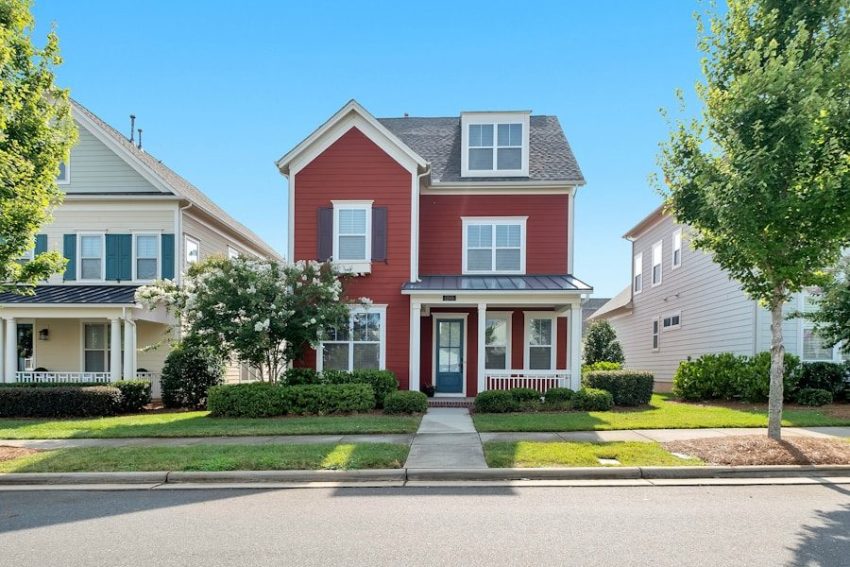
The exterior sets a buyer’s expectations before they reach the front door, and the highest-return curb appeal projects cost very little. Mow and edge the lawn, lay fresh mulch in the beds, add a couple of potted plants at the entry, and wash the siding and walkway to strip away a season of grime.
A freshly painted front door and new house numbers finish the look for the price of a small can of paint and a quick trip to the hardware store. Most buyers now judge the front of the house in listing photos before they decide to visit, so the few dollars spent on the entry often decide if a home earns a showing at all. A solar path light or two and a fresh door mat add warmth at the entry without raising the budget. Symmetry helps as well, and simple front garden touches such as matching potted plants on either side of the door make the entrance look intentional. A tidy, well-kept exterior tells a buyer the rest of the home has been kept the same way.
The Best Use of a Small Budget
The pattern is consistent across the data. Cleaning, decluttering, light, paint, and curb appeal return more per dollar than any major renovation, because they change how a buyer feels about a home without the cost of structural work. A seller with a few hundred dollars and two free weekends can lift both the speed and the price of a sale.
Spend the money where a buyer’s first impression forms, keep the work clean and neutral, and tackle the cheapest, highest-return jobs first. Each of these jobs can be done in stages as time and money allow, so a seller is never locked into a single large bill. Done in that order, a small budget goes further than most sellers expect, and the inexpensive improvements end up doing more than the costly ones ever could.