
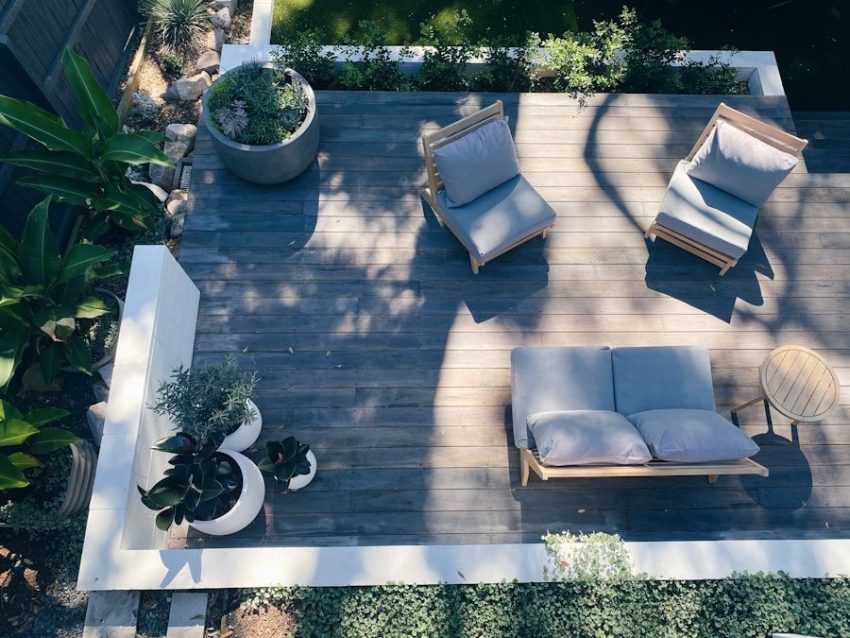
You spend all spring fixing up your outdoor space. The cushions match. The string lights look great. The grill is ready to go. Then the real summer heat hits. Suddenly, that beautiful seating area feels like an oven by early afternoon. It happens to almost everyone. Nobody wants to sweat through their morning coffee or a weekend barbecue. We put so much effort into making our backyards look nice that we sometimes forget to plan for the reality of the midday sun. Most people find themselves abandoning their patios entirely when the temperature spikes, retreating to the air conditioning until dusk. If your family disappears indoors the second the sun moves past the trees, your layout probably needs a functional shift to make it comfortable again.
Rethinking your overhead coverage strategy
A standard market umbrella seems like the easiest fix. You buy one, pop it in the middle of a dining table, and expect instant relief. But they usually only protect a tiny sliver of space. The person sitting directly underneath is fine, while everyone else is left squinting. And when the wind picks up, those standard umbrellas often become a flying liability. You might want to think bigger if you plan to host dinners or let the kids play outside for hours at a time. A more stable, permanent framework changes how you use the yard entirely. If you already have an existing wooden or vinyl slatted structure over your deck, adding custom pergola shades is a smart move. They let you filter the exact amount of sunlight you want while keeping the air flowing freely underneath.
Fabric vs solid roofs for your sitting area
Deciding between a solid roof extension and flexible fabric changes how your space feels day to day. Solid roofs give you total rain protection. They also make an outdoor room feel incredibly permanent, almost like a true extension of your house. But they block out the stars at night and can make the attached rooms inside your house noticeably darker during the winter. Fabric options offer a bit more flexibility for everyday living.
Here is a quick breakdown to help you decide what fits your routine:
- Solid covers: Better for areas where you keep expensive electronics, televisions, or fully equipped outdoor kitchens. They require serious structural support and usually municipal permits.
- Retractable fabrics: Great for people who want full sun in the cool mornings and deep shade in the heavy afternoon heat.
- Slatted wood or metal: Good for partial light. They create beautiful shadow patterns, though they won’t stop a sudden rainstorm.
It really comes down to whether you prioritize heavy weatherproofing or daily adaptability.
Keeping the harsh glare out of your eyes
Sometimes the heat isn’t even the biggest issue. It is the blinding glare that hits right around dinner time. When the sun starts to set and drops low on the horizon, overhead protection doesn’t do much good. The light simply cuts straight across the yard, hitting everyone right in the face. This is where vertical barriers make a massive difference. Installing custom patio shades along the western edge of your porch blocks that harsh evening glare effectively. It also adds a nice layer of privacy from the neighbors if houses are built close together in your neighborhood. You can easily roll them up out of sight when you don’t need them.
Small details that actively cool the space down
Blocking the sun is just the baseline. To really drop the temperature, you need air movement. Ceiling fans rated for damp locations are generally easy to install if you have a solid porch ceiling. Otherwise, a heavy-duty outdoor standing fan does the trick just fine for pushing stagnant air away from your seating area. Adding a few potted plants with large, broad leaves can also help. They naturally release moisture into the air, creating a tiny microclimate that feels a bit fresher than the surrounding concrete. Try pairing your cooling setup with outdoor rugs made from recycled plastics or natural fibers. Concrete, brick, and dark composite decking absorb heat all day and radiate it back up at you well into the evening. A light-colored rug physically blocks that heat transfer, making it much more comfortable to walk barefoot. Focus on these simple, practical adjustments. Your backyard should be a place where you can actually relax, not somewhere you just tolerate because you feel obligated to use it.