
Every musician remembers the moment their instrument started holding them back. Maybe it was a sticky valve during a big concert. Maybe it was a dull, flat tone that no amount of practice could fix. For tuba players, this moment usually arrives earlier than they expect, since student-level tubas are built for durability and cost, not for rich tone or fast response. Once a player’s skill outgrows their instrument, upgrading stops being a luxury and becomes a necessity.
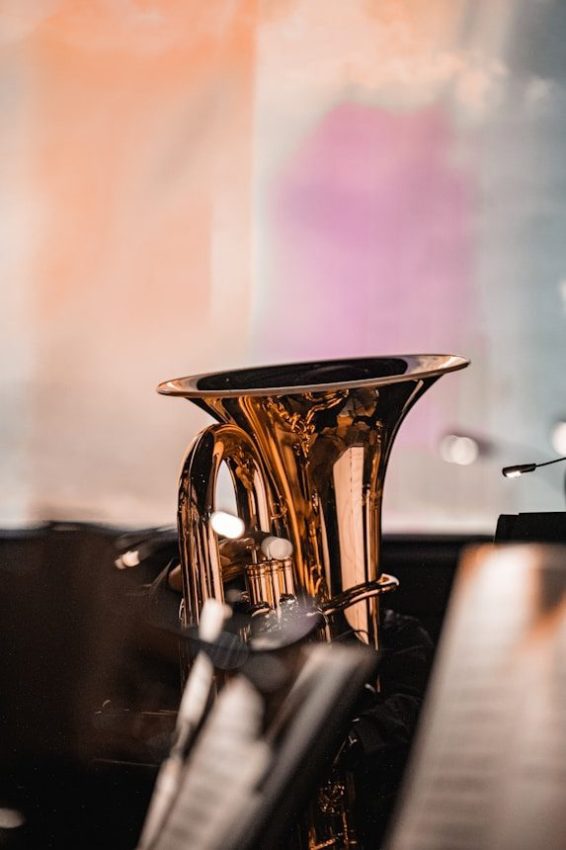
This guide breaks down the real reasons serious musicians choose to retire their old tubas and invest in something built for performance.
1. Old Tubas Limit Tone Quality
A tuba’s sound comes from the way air moves through its metal, valves, and bell. Cheaper, older models often use thinner brass or basic valve systems that restrict airflow and choke off resonance. This means the player has to work harder just to produce a decent sound, let alone a beautiful one.
Higher-end tubas use thicker bell metal and precision-engineered valves that let air flow smoothly. The result is a warmer, rounder tone with less effort from the player. Musicians who switch often say it feels like their instrument finally “opens up” and lets their true sound through.
2. Intonation Problems Get Worse With Age
Every tuba has natural tuning quirks, but budget or aging instruments tend to have more of them, and they get worse over time. Valve alignment shifts, slides wear down, and metal fatigue can throw off the entire scale. A player might spend years compensating with their embouchure just to stay in tune, which is exhausting and unsustainable during long rehearsals or performances.
Newer, well-built tubas are designed with tighter tolerances and more accurate bore proportions. This means fewer notes need “fixing” on the fly, so the player can focus on musicality instead of constant correction.
3. Weight and Ergonomics Affect Performance
Tubas are already heavy instruments, and older models were not always designed with the player’s comfort in mind. A poorly balanced tuba puts strain on the back, shoulders, and arms, especially during long marching band seasons or orchestral rehearsals.
Modern tuba designs pay close attention to weight distribution and balance points. Some manufacturers even offer lighter alloys or ergonomic bracing that reduces fatigue without sacrificing sound. For touring musicians or students carrying their instrument daily, this upgrade alone can be worth the investment.
4. Reliability Becomes Non-Negotiable at a Professional Level
At the beginner level, a minor mechanical issue may be inconvenient. In professional settings, it can affect an entire performance. A sticking valve, poor airflow, or inconsistent response can make it difficult to maintain accuracy during auditions, recording sessions, concerts, or paid performances where every note matters.
As musicians take on more challenging repertoire and performance opportunities, many begin looking for Tubas that offer better intonation, smoother valve action, and a more consistent response. Upgrading to an instrument built for intermediate or advanced players helps reduce unexpected issues and allows performers to focus on their technique instead of their equipment.
O’Malley Musical Instruments has worked with generations of musicians who understand the value of dependable equipment. A professional-grade tuba delivers consistent performance from rehearsal to the stage, giving players the confidence they need when every performance counts.
5. Resale Value Makes Upgrading Smarter Than It Sounds
Many musicians hesitate to upgrade because of the upfront cost, but older student tubas often lose value quickly, while well-known professional models tend to hold their resale price much longer. This means an upgrade is not just an expense; it can also be treated as a long-term investment that pays part of itself back later.
According to the National Association of Music Merchants, the global music products industry itself is valued in the billions of dollars, reflecting how much households and institutions invest annually in quality instruments. This scale of investment shows that upgrading is a widely trusted decision, not a rare indulgence.
6. A Better Instrument Changes How a Musician Practices
There’s a psychological side to this too. Musicians who play on an instrument they trust tend to practice longer and with more focus. When every note requires a fight against sticky valves or poor tone, motivation naturally drops. A responsive, well-built tuba makes practice feel rewarding instead of frustrating, which compounds into faster improvement over time.
Some things to look for when comparing tubas for an upgrade:
- Valve action: smooth, fast, and consistent under pressure
- Bell and bore size: matched to the player’s playing style, whether orchestral, marching, or jazz
- Material and finish: lacquer, silver plate, or raw brass, each with a slightly different tone
- Weight balance: especially important for players who stand or march for long periods
- Build reputation: established brands with a track record of durability
7. Timing the Upgrade Right
Not every player needs to upgrade immediately. A good rule of thumb is to consider a new tuba once a musician starts noticing that their instrument is the limiting factor, not their technique. Signs include struggling with tone at auditions, feeling like slides or valves need constant repair, or noticing peers with better instruments producing a noticeably richer sound with less effort.
Waiting too long can also mean paying more in repairs over the years than the cost of simply moving to a better instrument sooner.
Final Thoughts
Upgrading a tuba is rarely about vanity. It’s about giving a serious musician the tools they need to keep improving, perform reliably, and enjoy the process of making music again. Whether the goal is a college audition, a professional gig, or simply better practice sessions at home, the right instrument makes a measurable difference. For many players, that difference is the reason they finally decide their old tuba has done its job, and it’s time to move forward.