
Not every home improvement pays off in the same way, and it’s easy to assume that the biggest, most expensive project will always deliver the best result. In reality, some of the most worthwhile changes are far more modest, while others only prove their worth several years down the line instead of overnight, once you factor in how a home is actually lived in day to day.
Small Changes That Can Make a Noticeable Difference
You don’t need a big budget or weeks of upheaval to make a home feel noticeably better cared for. A fresh coat of paint, updated light fittings or a tidier garden can change how a space feels without much disruption at all. Rightmove has reported that estate agents increasingly point sellers toward exactly this kind of low-cost, high-impact work, with clean surfaces, neutral tones and tidy outdoor space doing more for a property’s appeal than many owners expect from a full renovation, particularly in the rooms buyers and visitors notice first.
Improvements That Add Practical Value
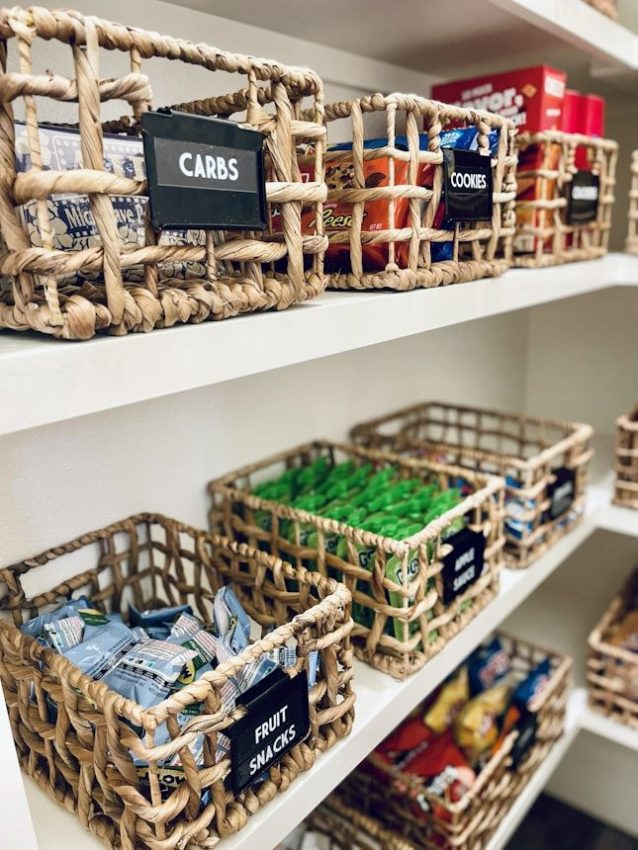
Other projects earn their place by making everyday life easier rather than simply looking good. Better storage, improved insulation or replacing a worn feature can quietly remove small frustrations you might not even notice you’ve adapted to over time, from a draughty landing to a cupboard that never quite closes properly. The most successful projects tend to combine that kind of practicality with a finish that also brings the whole space up to date, so the improvement works on more than one level at once.
Choosing Upgrades That Improve Your Home’s Exterior
The exterior of a home is often the last place people think to spend money, yet it’s the first thing anyone sees. Fresh landscaping and updated outdoor lighting both help, and swapping an old, sagging garage entrance for modern roller garage doors can sharpen the whole front of a property in a way that’s hard to miss. It’s worth thinking about how each exterior change works alongside the others, so the finished result feels considered instead of mismatched or overdone.
Thinking About Long-Term Value
Not every improvement needs to add value straight away to be worthwhile. Durable materials and well-planned upgrades can cut down on future maintenance while making a home nicer to live in day to day. Research from Nationwide has found that some home improvements can add as much as 24% to a property’s value over time, with energy efficiency measures part of that picture as buyers pay closer attention to running costs. Thinking a few years ahead, rather than focusing purely on the immediate cost, is usually what separates a worthwhile project from a false economy.
Ultimately, the projects that deliver the most value aren’t always the flashiest ones. A well-chosen small update, a practical fix, or a durable exterior improvement can often do more for a home and for how it feels to live in than a single large-scale renovation ever could.