
A house rarely gets invaded all at once. Pests tend to find their way in gradually, slipping through the small gaps and worn spots that homeowners often overlook during routine upkeep. A loose piece of siding, a torn vent screen, or a hairline crack in the foundation might seem insignificant, but to a mouse, ant, or spider, these are open doorways. The good news is that many of the weak points pests exploit can be identified and fixed without professional help. Taking the time to inspect and repair your home’s exterior is one of the most practical steps you can take toward a pest-resistant property.
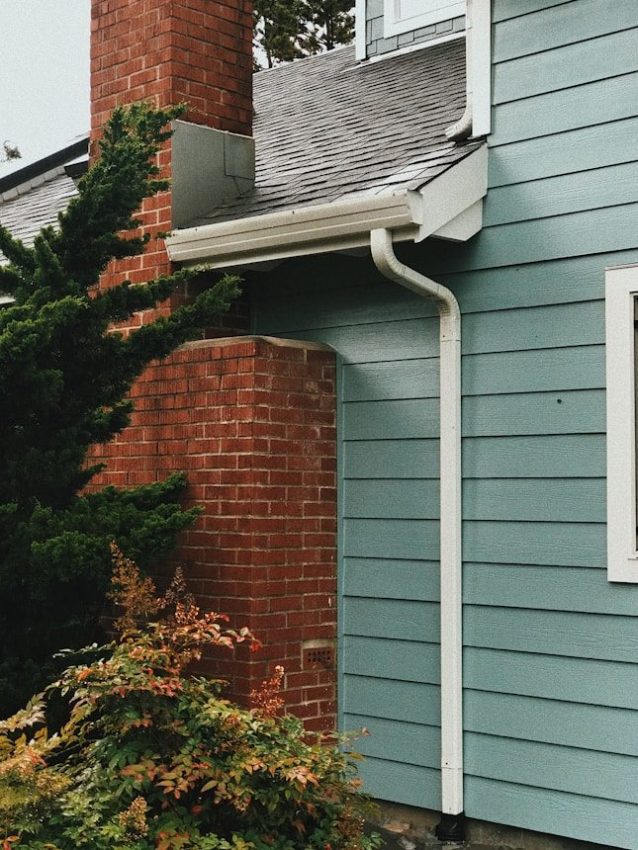
Repairing Loose Siding to Close Off Hidden Access Points
Siding does more than protect your home from weather. It also forms a barrier that, when compromised, gives pests direct access to wall cavities and insulation. Loose or warped panels create gaps that rodents can squeeze through, since mice need only a small opening, roughly the width of a pencil, to enter a structure. Ants and spiders exploit these same gaps to reach warm, sheltered spaces behind walls.
Inspecting siding twice a year, especially after harsh winters or heavy storms, allows homeowners to catch problems early. Re-nailing loose boards, replacing cracked vinyl panels, and sealing seams with exterior-grade caulk are all manageable weekend projects. Homeowners working with a company like Pest Pros of Michigan often learn that siding maintenance is one of the first things technicians check during an inspection, simply because it is such a common entry point.
Replacing Damaged Vent Screens and Covering Openings
Vents are necessary for proper airflow in attics, crawl spaces, and foundations, but damaged or missing screens turn these functional openings into pest highways. Wasps and other stinging insects are particularly drawn to attic vents, where they may attempt to build nests in undisturbed, sheltered corners. Rodents, too, will use compromised vent covers to access insulation and wiring.
Replacing torn or rusted screens with new mesh, ideally something rated for pest exclusion, closes this vulnerability without restricting necessary ventilation. This is a straightforward repair that most homeowners can complete with basic tools, and it pairs well with a broader inspection of the roofline and eaves. Companies specializing in pest prevention, including Pest Pros, frequently note that vent-related entry points are among the easiest to overlook yet among the most effective to fix.
Sealing Gaps Around Utility Lines and Pipe Entries
Wherever a pipe, cable, or utility line enters the home, there is a potential opening for pests. These penetration points are often sealed loosely during original construction or may deteriorate over time as materials shrink, crack, or shift. Ants, spiders, and even small rodents can use these gaps to move between the outdoors and interior wall spaces.
A simple fix involves using expanding foam, caulk, or copper mesh, which rodents cannot chew through, to seal these openings thoroughly. Homeowners should walk the perimeter of their house and check every point where a line enters the structure, including areas near the water heater, dryer vent, and outdoor spigots. This kind of targeted sealing addresses one of the more subtle but consistent entry methods pests use throughout the year.
Fixing Door Thresholds and Weatherstripping
Gaps beneath exterior doors are a common and often underestimated entry point. Over time, thresholds wear down or shift slightly, creating a visible line of light beneath the door, which usually means there is enough space for insects and even small rodents to pass through.
Replacing worn weatherstripping and adjusting or reinstalling the threshold can eliminate this gap entirely. This repair is inexpensive and typically takes less than an hour per door. It is also one of the more satisfying fixes, since the improvement in draft control and pest exclusion is immediately noticeable.
A few additional exterior fixes worth prioritizing include:
- Patching small foundation cracks with masonry sealant before they widen
- Securing loose exterior trim, particularly around window frames and rooflines
- Trimming vegetation that touches the siding, which pests use as a bridge
- Checking garage door seals for gaps along the bottom edge
Patching Foundation Cracks and Securing Exterior Trim
Foundations naturally develop small cracks as a house settles, but even hairline gaps can be wide enough for ants and spiders to exploit. Left unaddressed, these cracks may also allow moisture intrusion, which attracts pests searching for damp, sheltered conditions. Applying masonry crack filler or hydraulic cement to small foundation cracks is a manageable task that prevents both structural and pest-related issues from developing further.
Exterior trim, particularly around windows, doors, and rooflines, should also be checked for looseness or rot. Wood-boring insects and rodents are drawn to soft, damaged wood, so re-securing or replacing compromised trim closes off another avenue of access. These repairs, while individually small, add up to a meaningfully more secure exterior when addressed consistently.
Why Exterior Repairs Work Best as Prevention
It is important to set realistic expectations. Exterior repairs are highly effective at preventing new pest activity, but they are not a guaranteed solution for infestations that are already established indoors. If pests have already built nests in wall voids, attics, or crawl spaces, sealing outside entry points will limit further access but will not remove pests that are already present.
This distinction matters because homeowners sometimes complete a round of repairs and expect immediate results, only to find continued activity indoors. In these cases, professional evaluation becomes the more practical next step. Pest control providers can identify whether an infestation exists behind walls or in less accessible areas, something that exterior repairs alone cannot resolve.
Final Analysis
Exterior maintenance plays a genuine role in reducing the likelihood of pest problems, and many of the repairs involved are well within reach for a motivated homeowner. Addressing siding, vents, utility penetrations, thresholds, foundation cracks, and trim on a regular basis creates a meaningfully less inviting environment for rodents, insects, and other unwanted visitors. That said, these efforts work best as ongoing prevention rather than a cure for existing infestations. When pest activity persists despite thorough exterior repairs, consulting a professional service becomes a reasonable and often necessary step toward fully resolving the issue.