
A well-organized home does more than look tidy. It removes the hidden corners, forgotten boxes, and cluttered surfaces that pests rely on for food, shelter, and safe nesting spots. While cleaning habits often get credit for pest prevention, storage and organization play an equally important role. When belongings are arranged thoughtfully, homeowners can see problems developing early and address them before they grow into something bigger. This article looks at practical, room-by-room organization strategies that support a cleaner, more pest-resistant home.
Why Clutter Creates Hidden Opportunities for Pests
Clutter does more than make a space feel chaotic. Piles of boxes, stacked papers, and overstuffed closets create dark, undisturbed areas that are difficult to clean and even harder to inspect. Pests such as cockroaches, rodents, and various insects are drawn to these conditions because they offer both concealment and, often, easy access to food residue or moisture. Areas that go untouched for months provide the kind of quiet, low-traffic environment many pests need to nest and reproduce without detection. Reducing clutter is not simply about aesthetics. It directly limits the physical spaces available for pests to hide.
Pantry and Kitchen Organization That Supports Prevention
Kitchens and pantries are among the most attractive areas for pests because of their consistent access to food. Simple organizational habits can make a significant difference here.
- Store dry goods such as flour, rice, cereal, and pet food in sealed, airtight containers rather than their original cardboard or paper packaging.
- Rotate stored goods regularly and check expiration dates so older items do not sit untouched for extended periods.
- Wipe down shelves and drawers periodically to remove crumbs, spills, and residue that can build up unnoticed.
- Avoid keeping large amounts of cardboard packaging in the pantry, since it can trap moisture and provide nesting material for insects.
These habits not only keep the kitchen more functional but also reduce the likelihood of attracting pantry pests like beetles, weevils, and ants.
Creative Storage Solutions That Improve Visibility and Cleaning
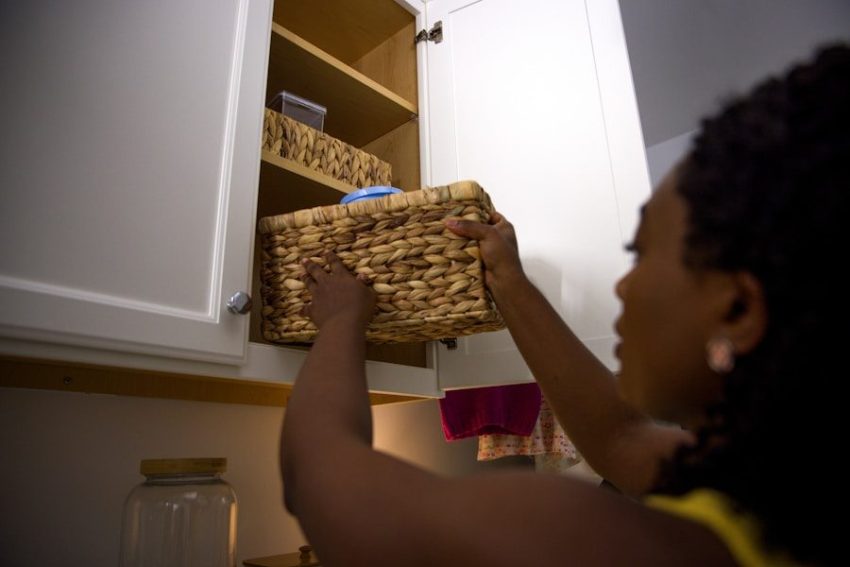
Thoughtful storage design can make inspection and cleaning far easier throughout the home. Labeled bins allow homeowners to quickly identify contents without opening every container, which encourages more frequent checks. Wall-mounted shelving and hooks keep items off the floor, reducing the number of undisturbed surfaces where dust, debris, and pests can accumulate. Raised storage systems, such as shelving units with a few inches of clearance beneath them, make it simple to sweep or vacuum underneath without moving heavy items. Homeowners who invest in this kind of accessible, structured storage often find that pest-related concerns are easier to catch early, which is a principle that professionals at Nextgen Pest Solutions frequently emphasize when discussing preventive home maintenance. Organized spaces are inspected more often, and frequent inspection is one of the simplest tools available for early pest detection.
Addressing Overlooked Areas Around the Home
Some of the most pest-prone areas are also the most commonly ignored during regular cleaning routines. Beneath kitchen and bathroom sinks, behind large appliances, inside utility closets, and around laundry machines are all spaces where moisture, food debris, or lint can accumulate unnoticed. These areas deserve regular attention for a few key reasons.
Moisture is a leading factor in attracting pests, particularly cockroaches and certain types of ants. Leaky pipes under sinks or condensation behind refrigerators can create the damp conditions many pests need to survive. Periodically checking these spaces for leaks, wiping away moisture, and keeping stored cleaning supplies organized rather than crammed together can help homeowners catch small issues before they escalate. This is another point where guidance from pest control experts can be useful, since professionals in this field often note that moisture control is one of the most overlooked aspects of home pest prevention.
Garage, Basement, and Storage Room Best Practices
Garages, basements, and dedicated storage rooms tend to hold items that are rarely disturbed, which makes them particularly vulnerable to pest activity. Cardboard boxes are a common culprit, as they are easily chewed through and can retain moisture. Replacing cardboard with durable, sealed plastic bins offers better protection for stored belongings and removes a material that pests can use for nesting.
Where possible, keeping stored items off both the floor and walls using shelving units creates a buffer zone that is easier to inspect and clean. This also reduces direct contact between boxes and any moisture that may seep in from concrete flooring or exterior walls. Setting a routine, even just twice a year, to walk through storage areas and check on infrequently used belongings can reveal early signs of pest activity that might otherwise go unnoticed for months.
How Organization Helps Homeowners Spot Warning Signs Early
One of the most practical benefits of good organization is improved visibility. When storage spaces are clear and accessible, it becomes much easier to notice droppings, gnaw marks, chewed packaging, shed insect skins, or unusual odors that might indicate a developing problem. In cluttered spaces, these signs can remain hidden for extended periods, allowing a small issue to grow substantially before anyone notices. Regular organization essentially builds routine inspection into everyday home maintenance, giving homeowners more opportunities to catch problems while they are still manageable.
Final Analysis
Creative storage and consistent organization can meaningfully reduce the conditions that attract and shelter household pests. Sealed containers, raised shelving, decluttered corners, and regular attention to overlooked spaces all contribute to a cleaner, more inspectable home. However, it is important to recognize that organization and cleanliness, while highly effective for prevention, cannot resolve an infestation that has already become established. Pests that have found reliable food, water, and shelter sources often require more than sanitation efforts to fully address. Homeowners who continue to notice signs of pest activity despite improving their storage habits and home maintenance routines may benefit from consulting a professional pest management service for a more thorough evaluation and targeted solution.