
Scooter and wheelchair lifts make it easier to load and transport mobility equipment, including power scooters, manual wheelchairs, and power chairs. Without a lift, handling heavy equipment can be physically demanding and increase the risk of injury. Since these lifts can cost hundreds or even thousands of dollars, regular maintenance also helps protect your investment and extend its lifespan. 
Over time, loose electrical connections, worn moving parts, a weak vehicle battery, or damaged hardware can affect a lift’s performance. If a lift fails when you need it, it can disrupt your plans and make transportation difficult. Routine inspections help you identify potential problems early and reduce the risk of unexpected breakdowns.
Even a durable Harmar scooter lift needs regular care, regardless of how frequently you use it. A few simple maintenance steps can help keep it reliable, safe, and ready when you need it.
Here are six practical maintenance tips to help you keep your Harmar scooter lift in good working condition.
-
Read the Owner’s Manual First
Harmar’s lifts differ in wiring, hardware, and maintenance protocols. Always read the manual to know what to check in each part and how often to do it. So, keep it somewhere easy to reach, like the glove box or a drawer at home, for future reference and easy retrieval.
If you’ve lost it, you can contact Harmar’s technical service team or an authorized Harmar scooter lift dealer for a replacement copy or maintenance advice.
Without the manual, you risk relying on guesswork, which could lead to improper maintenance or further damage. The manual also contains important information, including the lift’s weight capacity and instructions for using the manual override.

-
Inspect the Lift Every Month
Dedicate a few minutes each month to inspect the scooter lift. You don’t have to wait for something to go wrong to pay attention to its condition. Check the important parts, such as bolts and fasteners, as road vibrations can loosen them over time.
Look for cracks, bent metal, rust, or frayed straps. You want to make sure the hitch connection is solid and that the hitch pin and locking hardware are secure. If you find any damage, stop using the lift until a qualified technician has inspected it.
And with corrosion from road salt, especially in winter, be sure to clean the lift the way the manufacturer recommends and check any exposed metal for rust.
Keeping a short written record of each monthly check helps you notice changes before they become problems.
-
Lubricate Pivot Points and Hinges
Hinges and pivot points may need lubricating to move freely, but that doesn’t mean oiling every moving part. Check what the manual says and focus on the parts that need it. When you hear a squeak or groan, that might not mean something is dry. Sometimes it comes from dirt, wear, or a loose part.
First, clean it, apply the recommended lubricant, and wipe off any excess. You want to avoid a heavy coating, as it collects dust and grit, which can wear the parts faster. And if the noise persists after cleaning and lubricating, have a qualified technician check the lift.
-
Keep the Battery and Wiring in Good Shape
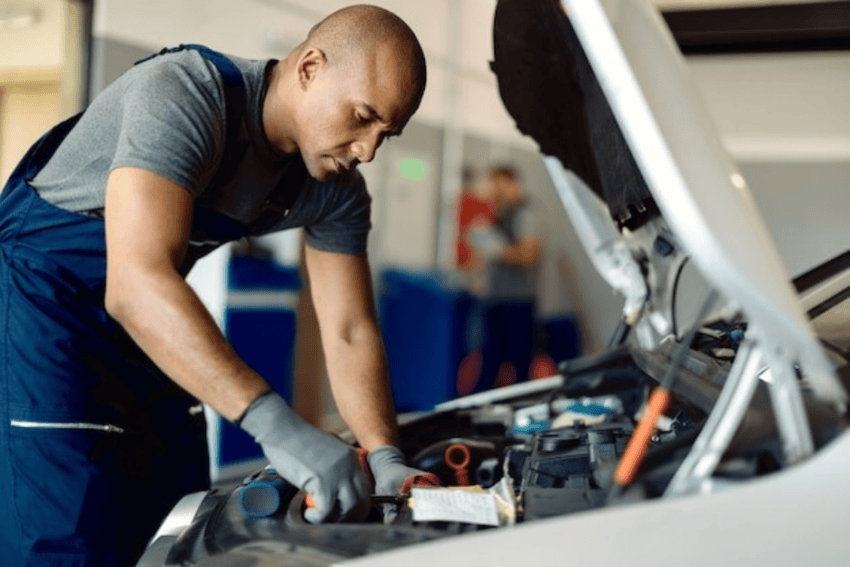
Most Harmar scooter lifts run off your vehicle’s battery. A weak battery or a poor connection can make the lift move slowly or stop working altogether. Routinely check the wiring for frayed insulation, corrosion, and loose connections. Also check the terminals and the wiring harness for visible damage, but leave any electrical repairs to a qualified professional.
If your vehicle sits for long stretches, check its battery before you plan a trip. A battery that struggles to start the car may have trouble powering the lift, too.
If the lift stops responding, the cause may be something simple, such as a loose battery connection or a blown fuse. Check the connection and use only the fuse rating specified in the manual. If the same fuse keeps blowing, have a qualified technician investigate the cause.
-
Check Straps and Tie-Downs
The straps and other securement parts that keep your scooter in place when you transport it can be worn out. Inspect them frequently for fraying, cuts, loose threads, and worn areas from rubbing against the scooter frame.
Check metal hooks and buckles for rust, cracks, or bending that could weaken their ability to secure the scooter. Replace worn or damaged parts with compatible components approved for your lift.
-
Protect the Lift From Weather
Rain, road salt, humidity, and direct sunlight can slowly damage the components over time. Finding the right protection for exposed parts can extend their durability. A lift stored in a garage or shed may need less protection, but if you park outdoors, consider a suitable cover or canopy to limit exposure to the elements.
Whenever you drive on salted roads or through muddy conditions, always clean the lift afterward. And for the exposed parts, keep checking for rust, moisture, or corrosion on electrical connections.
Conclusion
If your lift moves slowly, makes unusual noises, or stops working, don’t ignore the warning signs. Even a well-built Harmar scooter lift can develop problems over time, especially if routine maintenance is neglected.
Some issues, like lubrication needs, are simple to address and can be handled on your own. Others, including damaged mounting hardware or recurring electrical faults, require a qualified technician, as they can affect the lift’s safe operation.
Regular cleaning, monthly inspections, and proper care can help keep your Harmar scooter lift working reliably. Before attempting any maintenance or repair, consult the owner’s manual and use manufacturer-approved replacement parts.