
Yes, you may still be able to patent an invention after disclosing it to the public, but timing matters. In the United States, certain inventor-originated disclosures may qualify for a grace period of up to one year before filing a patent application. However, public disclosure can make patent protection more difficult, especially if you wait too long or want to seek protection in other countries.
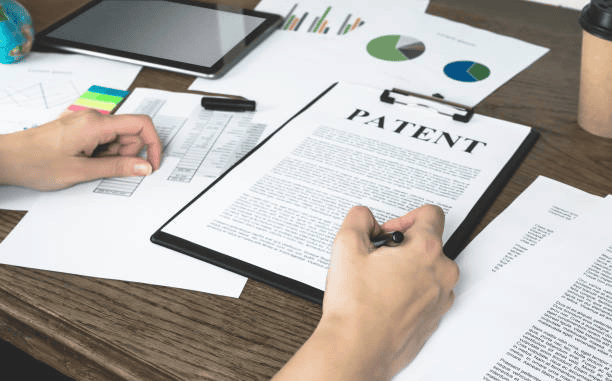
Phoenix is the capital of Arizona and one of the fastest-growing metropolitan areas in the American Southwest. The city has a diverse business community, with companies working in technology, manufacturing, healthcare, and other innovative industries. If you have shared an invention publicly and are unsure whether it can still be protected, a Phoenix intellectual property lawyer can help you understand the relevant patent rules and evaluate your options.
Public Disclosure Can Affect Patent Eligibility
Public disclosure happens when information about an invention becomes available to people outside a confidential setting. This might occur through a product demonstration, a public presentation, an online post, a published article, or the sale or public use of a product.
The effect of disclosure depends on what was revealed, when it happened, and whether the information was made available to the public without confidentiality restrictions. Simply mentioning an idea may not disclose every technical detail needed to understand the invention. However, sharing enough information for others to understand how the invention works can create challenges when applying for a patent.
Keeping accurate records of the disclosure can help establish the timeline and clarify exactly what information was shared.
The U.S. Patent Grace Period
Under 35 U.S.C. § 102, an invention may be barred from patent protection if certain prior art existed before the relevant filing date. The law includes limited exceptions for some disclosures made by the inventor or by someone who obtained the information from the inventor within one year before the effective filing date.
This does not mean every public disclosure is automatically protected by a one-year grace period. The source and nature of the disclosure matter, and other earlier publications or independent disclosures may affect eligibility. Waiting until the end of the year can also create unnecessary risks.
For that reason, inventors should consider filing a suitable patent application as early as possible once they have enough information to describe the invention properly.
International Patent Rights May Be Different
The rules can be stricter outside the United States. Many countries generally require an invention to be new when the patent application is filed, and public disclosure before filing may destroy that novelty. Some jurisdictions recognize limited exceptions, but these vary by country and circumstance.
If you plan to sell or license your invention internationally, it is important to consider where patent protection may be needed before making the invention public. A disclosure that does not prevent a U.S. application from succeeding could still affect your ability to obtain protection elsewhere.
Inventors should also be cautious when sharing technical information with potential investors, manufacturers, or business partners. Confidentiality agreements may help protect information before a public launch, although they cannot reverse a disclosure that has already occurred.
Steps to Take After Disclosing an Invention
If you have already shared your invention, write down the date, location, and nature of the disclosure. Save copies of presentations, website posts, emails, product listings, and other materials showing what was made public. Identify whether the disclosure came from you or another person and whether any confidentiality agreement applied.
Avoid assuming that patent protection is no longer possible. The details may still leave a path forward, depending on the invention and the applicable rules. Getting advice promptly can help you assess whether to file and which markets to consider.
Key Takeaways
- A public disclosure does not always prevent a U.S. patent application.
- Certain inventor-originated disclosures may qualify for a grace period of up to one year.
- Earlier publications or independent disclosures may still affect patent eligibility.
- Other countries may have stricter rules about public disclosure before filing.
- Keep records of when and how the invention was disclosed, and seek advice promptly.