
Picking a fire table for your backyard or patio involves more than settling on a style you like. You’re also committing to a fuel source that needs to match your home setup, daily habits, and long-term budget. Natural gas and propane both produce an open flame, but they differ in cost, installation requirements, portability, and performance. A handful of factors shape what it’s actually like to own one of these features day to day. Get those factors wrong, and you’ll end up with a fire table that doesn’t fit your yard, or one that costs far more to run than you anticipated. What follows breaks down both fuel types clearly: how each one works, what installation involves, how costs compare, and which situations favor which choice, so you can land on something that genuinely fits your space.
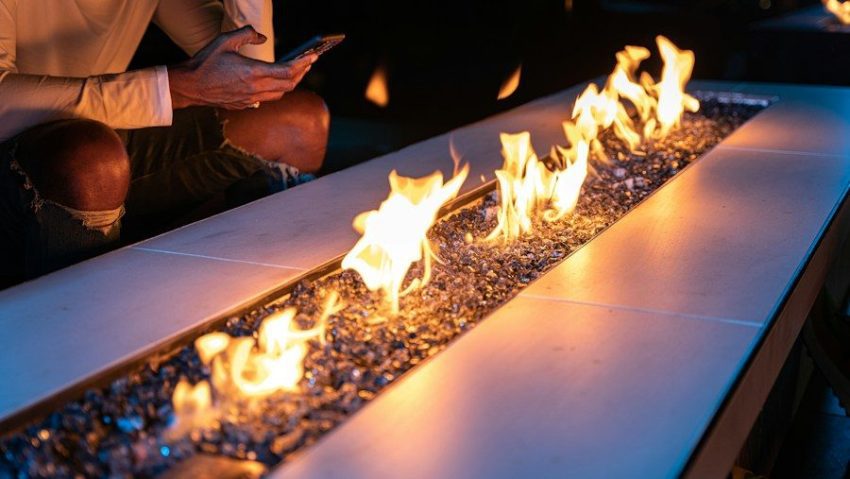
How Each Fuel Source Works
The fuel source is the first real fork in the road. Among the decorative fire tables on the market today, models come configured for natural gas or propane, and the two aren’t interchangeable without a conversion kit – sometimes not at all. Natural gas is a utility-delivered fuel, piped directly into your home through a municipal line the same way your gas stove or furnace connects. Propane, by contrast, is a liquefied petroleum gas stored under pressure in portable tanks. Both burn cleanly and produce a visible blue-and-orange flame when fed through a fire table burner. But where that fuel comes from shapes nearly everything else – how you use the table, where you place it, and what you’ll pay over time. Understanding the supply chain behind each option makes every downstream decision, whether it’s cost, placement, or safety, much easier to work through.
Natural Gas: Always On, Always Connected
Natural gas fire tables connect to a dedicated gas line run from your home’s main supply. A licensed plumber or gas technician installs the line and connects it to the fire table’s inlet. Once that work is complete, you never refill anything. Gas flows on demand every time you turn the table on. The flame is consistent, and you don’t track tank levels or schedule deliveries. That convenience is genuine. The catch is that the fire table is now fixed to that gas line location. Relocating it means either running new pipe or capping the old one, both of which cost money and require a professional. Natural gas also burns at a slightly lower pressure than propane, which means some manufacturers tune their natural gas burners differently to maintain flame height. Most quality fire tables account for this at the factory level, so it’s rarely a visible difference, but it’s worth confirming the model you buy is rated for natural gas if that’s your fuel.
Propane: Portable but Maintenance-Dependent
Propane fire tables run on one or two standard tanks, typically 20-pound cylinders, though some larger models can take bigger ones. The tank tucks inside a cabinet or compartment built into the table base, keeping things tidy with the fuel out of sight. You gain real flexibility. A propane fire table can be moved to a different corner of the patio, shifted to a rental property, or hauled to a vacation house without much hassle. What you give up is the freedom to ignore the fuel level. A 20-pound tank will run a medium-output burner for roughly 4 to 6 hours depending on the BTU rating, so refills or exchanges happen regularly. Most hardware stores and gas stations offer propane exchange programs, so finding a refill isn’t usually a problem. But forget to check the tank before a dinner party and you’ll notice fast. Propane also burns at higher pressure than natural gas, which can produce a slightly hotter, more visually intense flame at equivalent BTU ratings, a detail some buyers actually prefer.
Cost Breakdown: Installation, Fuel, and Long-Term Ownership
Cost is where natural gas and propane fire tables diverge most clearly, and the gap runs in opposite directions depending on which cost you’re measuring. Upfront, propane wins by a margin. A propane fire table requires no professional gas line installation. You unbox it, connect a tank, and it’s ready. That installation cost for a natural gas line typically runs $200 to $700 depending on the distance from the main supply and local labor rates, according to HomeAdvisor’s 2025 national contractor data. Natural gas costs less per unit of energy than propane in most US markets. The U.S. Energy Information Administration reported in 2025 that residential propane averaged roughly $2.50 to $2.80 per gallon, while equivalent natural gas energy costs considerably less over the same period. If your fire table runs frequently, several nights a week through spring and fall, natural gas recoups the installation cost within a season or two and stays cheaper indefinitely after that.
Which Fuel Costs Less Over Time?
The honest answer depends on usage frequency. Light users – one or two evenings a week, seasonally – often spend less overall with propane because they don’t recoup the installation investment. Heavy users who run the fire table four or more nights a week, especially through an extended outdoor season, typically spend less with natural gas within the first year or two of ownership. A simple way to estimate: multiply your fire table’s BTU rating by the hours you expect to run it monthly, then calculate the fuel cost at current local prices for each option. That number tells you your break-even point on installation. Most homeowners who run a 40,000 BTU fire table for 20 or more hours a month find natural gas cheaper within 12 to 18 months of regular use. Propane owners who run the table lightly often find they spend $30 to $60 a month on tank refills – manageable, but it does add up across a three-season outdoor schedule.
Flame Quality and Heat Output
Both fuel types produce a clean, attractive flame with no smoke or ash. Practical heat output at the same BTU rating is nearly identical; a 60,000 BTU propane table and a 60,000 BTU natural gas table will warm the same size patio in roughly the same way. Propane’s slightly higher pressure can push a taller, more dramatic flame at lower BTU settings, which some buyers find more visually appealing. Natural gas flames tend to be steadier under windy conditions, partly because supply pressure doesn’t fluctuate the way it does when a propane tank starts running low. Neither difference is dramatic enough to make one fuel objectively better for heat performance. What matters more is the burner design and the table’s overall BTU rating. Buy the output your patio size actually needs, then choose the fuel type that suits your setup and how you live.
Conclusion
The difference between natural gas and propane fire tables isn’t about which one burns better; it’s about which one fits your home and how you actually spend time outside. Natural gas suits a permanent patio installation where convenience and lower running costs outweigh any need for flexibility. Propane suits buyers who want portability, a quick setup, or simply don’t have access to a gas line. Run your fire table frequently and natural gas will recover its installation cost over time. Use it occasionally or want to move it around, and propane keeps things simple. Know your usage patterns before you buy, confirm your chosen model is rated for your fuel type, and factor the full cost picture into your decision. The right fuel source makes the whole thing effortless to own.