
A busy household has a way of turning tiny maintenance issues into background noise. A loose handle gets ignored because everyone is rushing out the door. A slow drain becomes something people simply work around. A cabinet hinge starts sagging‚ a window becomes harder to open‚ and before long the house has collected a dozen small annoyances that nobody has had time to deal with. The easiest way to stay ahead of them is not to devote entire weekends to maintenance‚ but to notice small changes early and handle them before they begin interfering with everyday routines.
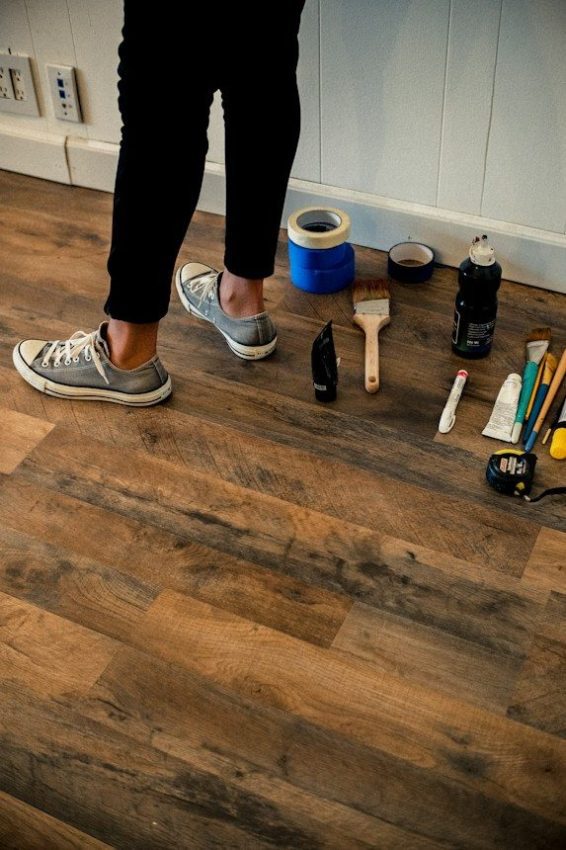
Frequently used parts of the home usually provide warning signs before they fail completely. A sticking window‚ dripping faucet‚ loose railing or need for sliding door repair may seem minor at first‚ but each can become more inconvenient when ignored for months. The goal is not to fix everything immediately. It is to recognize which issues can wait‚ which ones can be handled quickly‚ and which deserve professional attention before they turn into larger projects.
Create a Simple Running Maintenance List
One reason small problems get forgotten is that they are noticed at inconvenient moments. A loose handle might be discovered while carrying groceries. A dripping tap becomes obvious during the morning rush. By the time there is space to deal with it‚ the problem has disappeared from memory.
Keeping one shared maintenance list helps prevent this. It can be a note on a phone‚ a small whiteboard in a utility room‚ or a family task app. The list does not need to become another complicated household system. It simply needs to record things such as:
- Loose Handles or hardware
- Slow Drains
- Flickering Lights
- Cracked Caulk
- Sticking Windows
- Water Stains
- Squeaky Hinges
- Damaged Screens
- Wobbly Railings
Once a week or once a month‚ the list can be reviewed and divided into quick jobs‚ larger weekend tasks‚ and items that need professional help.
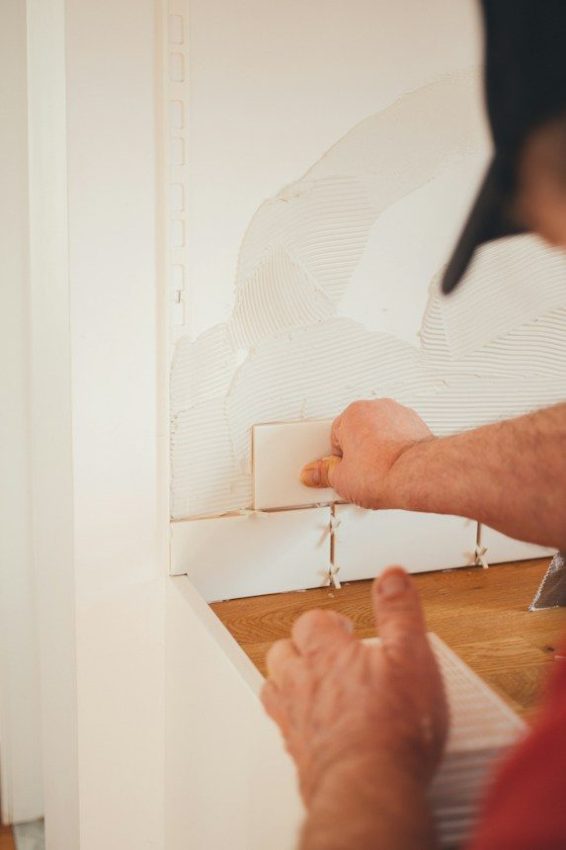
Watch for Changes Rather Than Waiting for Failure
Homes often give warning signs before something stops working. A faucet may begin dripping occasionally before developing a constant leak. A light switch may feel loose before failing. A drawer can become progressively harder to open before the runners break completely.
These changes matter because early fixes are often simpler. The most useful question is not whether something still works. It is whether it works the same way it did a few months ago. If a door suddenly needs more force‚ a window starts rubbing at one corner‚ or an appliance begins making a new sound‚ the change itself is worth noting.
Keep Water Problems Near the Top of the List
Water damage has a way of turning a small problem into an expensive one quickly. A slow drip under a sink can damage cabinetry. Failed caulk around a bath or shower can allow moisture into walls. A blocked gutter may send rainwater toward siding or the foundation. Families do not need to inspect every pipe constantly‚ but a few areas deserve regular attention:
- Under Kitchen and bathroom sinks
- Around Toilets
- Near Dishwashers and washing machines
- Around Windows after heavy rain
- Along Basement walls
- Near Water heaters
- Around Exterior drainage points
Damp smells‚ swelling materials‚ peeling paint and unexplained stains should be investigated rather than covered up. A ten-minute inspection every few months can prevent a much larger cleanup later.
Give High-Traffic Areas More Attention
Some parts of the house simply work harder than others. Entryways‚ kitchens‚ bathrooms and family rooms experience constant movement. Handles are used repeatedly‚ floors collect more dirt‚ doors cycle more often and storage systems are opened and closed throughout the day. These areas deserve more frequent checks.
An entryway‚ for example‚ might need:
- Loose Hooks tightened
- Mats repositioned
- Door hardware checked
- Shoe storage reorganized
- Lighting bulbs replaced
- Weather seals inspected
Kitchen maintenance may involve cabinet hinges‚ drawer runners‚ faucets and appliance connections. Giving high-use zones slightly more attention is more efficient than treating every room exactly the same.
Handle Easy Jobs When They Are Still Easy
Some maintenance tasks take only a few minutes when addressed early. A loose screw can be tightened. A small section of deteriorating caulk can be renewed. A clogged drain may be cleared before it becomes completely blocked. A sticking drawer may simply need its track cleaned.
Small jobs become harder when the surrounding material starts getting damaged too. A loose cabinet hinge left for months can enlarge the screw holes. A dripping faucet can stain a sink and waste water. A loose railing can eventually pull away from its mounting point. The ideal moment to handle a small problem is usually before it becomes urgent enough to demand attention.
Know When a DIY Fix Is Not Worth the Risk
There is value in doing simple household work independently‚ but there is also value in recognizing limits. Electrical faults‚ structural movement‚ major plumbing leaks‚ gas-related issues and significant roof problems deserve qualified professional attention.
The same applies when the cause is unclear. Repeatedly tightening‚ patching or adjusting the same component can hide a larger issue. A useful household rule is: If the job involves safety‚ hidden systems‚ significant water damage or something that repeatedly returns after a basic fix‚ it is probably worth having it assessed properly. Trying to save an hour can become expensive when an improvised solution creates additional damage.
Use Seasonal Changes as Maintenance Reminders
Instead of relying on memory‚ maintenance can be tied to the seasons. Spring is a useful time to inspect winter damage‚ clean gutters and check exterior caulking. Summer can focus on outdoor surfaces‚ screens‚ decks‚ fences and cooling systems. Fall is ideal for preparing drainage‚ checking weather seals and servicing heating equipment. Winter provides opportunities to watch for drafts‚ condensation and moisture problems.
A simple seasonal rhythm makes household care feel more manageable because there is never one enormous maintenance list. Each season brings a short group of relevant tasks.
Pay Attention to Sounds
New sounds are often useful warning signs. A rattling vent‚ squeaking hinge‚ buzzing outlet‚ grinding appliance or dripping pipe provides information before a visible problem appears.
The important thing is noticing when the sound is new. Children and busy routines can make household noises easy to ignore‚ but repeated mechanical sounds should not automatically become part of the background.
A quick investigation may reveal something simple‚ such as a loose cover or screw. If the cause is uncertain‚ the sound can at least be added to the maintenance list before it gets forgotten.
Do Not Let Cosmetic Issues Hide Functional Ones
Busy families naturally prioritize the things they see every day. Scuffed walls‚ cluttered counters and worn paint often receive attention because they affect how the home looks.
Functional issues sometimes stay hidden behind them. Before repainting a stained area‚ determine why the stain appeared. Before covering a damaged floor edge with a rug‚ check whether moisture or movement caused it. Before adding decorative storage around an awkward space‚ make sure access panels and vents remain usable.
A home can look organized while still collecting unresolved maintenance problems underneath the surface. Function should come first when the two compete.
Schedule One Small Maintenance Session Each Month
Household maintenance becomes less intimidating when it has a defined limit. Instead of waiting for a free weekend that may never arrive‚ set aside 30 to 60 minutes once a month.
That time can be used to:
- Tighten Hardware
- Test Smoke alarms
- Clear One drain
- Replace Filters
- Inspect Caulk
- Check Exterior lights
- Lubricate Approved hardware
- Update The maintenance list
One hour a month will not solve every home problem‚ but it prevents a long list of tiny issues from building up unnoticed.
Over a year‚ those short sessions add up to a surprising amount of preventive care.
Teach Everyone to Report Problems Early
In a family home‚ maintenance should not depend on one person noticing everything.
Children can mention when a handle feels loose‚ a drawer sticks or a light stops working. Teenagers can report strange appliance sounds or leaks instead of simply working around them.
The purpose is not to turn household maintenance into another chore chart. It is to create a habit of mentioning problems before they become normal.
Often‚ one family member has been struggling with something for weeks while everyone else assumes it works fine.
Small Problems Are Easier to Live With When They Stay Small
No home remains perfect‚ especially one filled with busy routines‚ children‚ pets‚ guests and everyday life. Something will always need cleaning‚ tightening‚ adjusting or checking. The goal is not constant maintenance. It is preventing minor problems from quietly growing into expensive interruptions. A short running list‚ a seasonal routine and a little attention to changing sounds‚ movement and moisture can make a major difference. When simple issues are handled early and professional help is brought in when necessary‚ the home becomes easier to manage without demanding every spare weekend.