
A kitchen can look stunning in photos and still be frustrating to cook in. It is one of the few rooms in a home where appearance and daily use collide constantly, and getting the balance wrong is one of the most common regrets homeowners have once a renovation is finished.
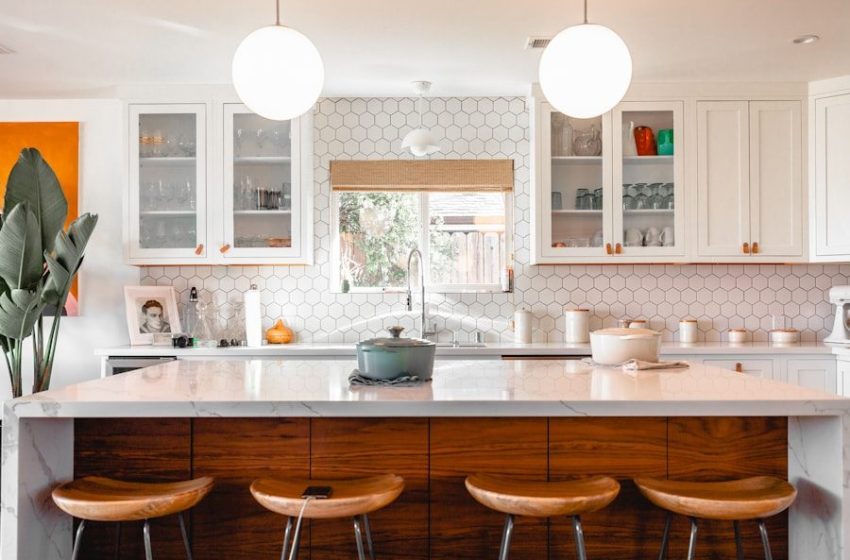
The good news is that aesthetics and functionality are not actually in competition. The kitchens that feel the best to be in are usually the ones where the two were planned together from the start, rather than function being an afterthought once the look was decided.
Start With How You Actually Use the Room
Before choosing a single finish or colour, it helps to think through how the kitchen will really be used day to day. Where do you stand most often? How many people are usually in the room at once? Do you need space for baking, for a coffee station, or for children doing homework at a counter while dinner is being made?
This kind of planning has a long history. The idea of arranging a sink, hob and fridge in an efficient working triangle dates back to research on kitchen workflow from the early to mid-20th century, and it remains a useful starting point today, even in open-plan or island-led layouts where the “triangle” has evolved into wider workflow zones. The National Kitchen and Bath Association’s own planning guidelines still cover clearances, work zones and storage reach in detail, and are worth a look if you want a genuinely practical reference point before you start sketching layouts.
Once the practical flow of the room is settled, the aesthetic choices tend to fall into place far more easily, because you are decorating a layout that already works rather than trying to force a beautiful layout to become workable after the fact.
Choose a Style That Was Built to Do Both
Some kitchen styles handle this balance better than others by design. Shaker cabinetry is a good example. The recessed panel and simple, uncluttered door front give it a clean, timeless look that suits both traditional and contemporary homes, but the style was originally developed around durability and practicality rather than decoration for its own sake.
That heritage still shows in how well shaker doors wear, how easy they are to keep clean, and how happily they take modern hardware, finishes and colours without looking dated in a few years.
It is part of why shaker remains one of the most requested kitchen styles for homeowners who want their kitchen to look considered now and still feel right in a decade, rather than chasing a trend that will need replacing sooner.
Let Storage Do Quiet Work
Functionality often comes down to storage that is genuinely planned rather than squeezed in. Deep drawers instead of low cupboards for pots and pans, dedicated bin and recycling storage that is not an afterthought, and worktop space kept clear because everyday items have a proper home elsewhere, all make a kitchen feel calmer and better designed, even before anyone talks about colour or finish.
This is also where the aesthetic payoff is highest. A kitchen with too little considered storage ends up cluttered no matter how good the units look on day one. A kitchen where storage has been planned around how a family actually lives tends to stay looking the way it did in the initial renders, because everything has somewhere to go.
Bring the Two Together Early, Not at the End
The easiest way to avoid the aesthetics-versus-function trade-off is to involve someone with design experience before decisions are locked in, rather than trying to retrofit practicality onto a Pinterest board. A good kitchen designer will ask about your routines, your storage needs and how the space will be used, at the same time as discussing colour, finish and layout, so that neither side is treated as secondary.
Smile Kitchens works this way through a free kitchen consultation, carried out virtually with a dedicated designer rather than in a showroom. It is a useful step even if you are still at the early planning stage, because it gives you a clearer sense of what is achievable for your space and budget before you commit to a direction.
Ultimately, the kitchens that age well are rarely the ones that were designed to photograph beautifully on the first day. They are the ones built around how the household actually lives, with the aesthetics layered on top of a layout and storage plan that was properly thought through. Get that order right, and the beautiful kitchen tends to follow on its own.
Sources: National Kitchen and Bath Association planning guidelines, Smile Kitchens service information.