
Workshop repair rarely rewards unnecessary force. Whether you are adjusting equipment, replacing worn hardware, deburring a component, tightening an assembly, or making a small fabrication repair, accuracy and control usually matter more than speed. The right hand tools make it easier to work precisely around fasteners, metal components, machinery, and workpieces without causing additional damage.
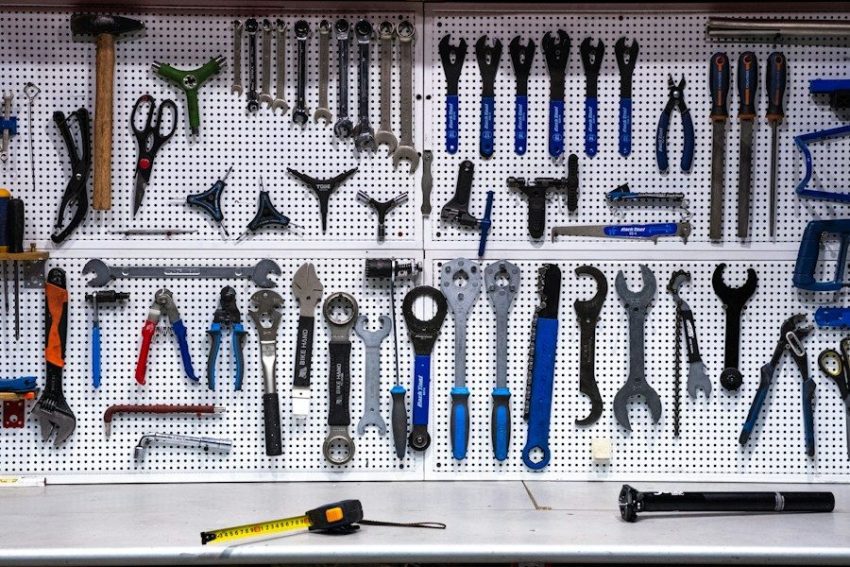
You do not need an oversized tool collection for routine maintenance, either. A dependable set of versatile tools can handle many common repair, assembly, and workshop tasks.
Assess the Repair Before Choosing Your Tools
Start by identifying the component, material, and type of failure involved. A loose fastener requires a different approach from a damaged edge, seized fitting, misaligned assembly, worn component, or rough cut that needs finishing.
The material also matters. Steel, aluminum, plastic, wood, and other materials respond differently to cutting, striking, gripping, and filing. Inspect the work first, determine the least aggressive repair method, and select tools that give you appropriate control. Use appropriate personal protective equipment for the task, particularly eye protection when cutting, striking, filing, or working around flying debris.
What to Look for When Choosing Hand Tools for Workshop Repairs
Good workshop tools should provide accuracy, durability, and a secure grip. Cutting and filing tools need edges or surfaces that can perform consistently, while measuring tools should be clearly marked and suitable for the level of precision required.
For technicians, fabricators, and maintenance teams, it makes sense to build a dependable collection of versatile hand tools before investing in specialized equipment for individual jobs.
1. Screwdrivers and Nut Drivers for Fastener Work
Screwdrivers and nut drivers are among the most frequently used tools for repair, maintenance, and assembly. They are useful for removing guards, adjusting components, installing hardware, opening equipment housings, and servicing mechanical assemblies.
Match the driver closely to the fastener. Using the wrong size or profile can damage the screw head, reduce grip, and make removal more difficult. Keeping several common sizes and drive types available helps prevent unnecessary fastener damage.
2. Pliers and Cutters for Gripping and Handling Components
Pliers provide controlled grip when handling small parts, bending material, holding fasteners, or working in areas where fingers cannot reach safely. Different styles serve different purposes, including combination pliers, needle-nose pliers, locking pliers, and diagonal cutters.
Choose the type according to the job rather than relying on one pair for every task. Excessive gripping force can deform soft materials or damage finished surfaces, so apply only as much pressure as necessary.
3. Hammers and Mallets for Controlled Adjustments
Hammers and mallets are useful for assembly, alignment, forming, and controlled adjustments. A suitable steel hammer can be used for tasks involving nails, punches, and appropriate metalworking applications, while rubber, plastic, or other soft-faced mallets can reduce the risk of marking a workpiece.
Use controlled blows and support the component properly. When protecting a finished or softer surface is important, a suitable soft-faced mallet or protective block can help distribute the impact.
4. Wrenches and Socket Tools for Mechanical Repairs
Wrenches and socket tools are essential when working with nuts, bolts, fittings, and mechanical assemblies. Combination wrenches provide straightforward access to common fasteners, while socket sets can make repeated assembly and disassembly more efficient.
Use a properly sized wrench or socket when available. If using an adjustable wrench, set the jaws snugly against the flats of the fastener to reduce slipping and rounding.
5. Hex Keys for Equipment and Machine Adjustments
Hex socket fasteners are common on machinery, fixtures, shop equipment, tooling, and adjustable components. A good set of hex keys allows accurate tightening and removal without relying on improvised tools.
Use the correct metric or imperial size for the fastener. A slightly undersized key may seem usable at first but can damage the socket under higher torque.
6. Chisels and Punches for Cutting, Marking, and Removal
Cold chisels and punches are useful for controlled metalworking and repair tasks. Depending on the tool, they can help remove damaged fasteners, separate material, mark drilling locations, drive pins, or cut and shape metal.
Select the correct tool for the application and inspect striking surfaces for damage before use. Keeping cutting edges properly maintained improves control and reduces the amount of force required.
7. Measuring and Marking Tools for Accurate Work
Reliable measuring and marking are essential whenever parts need to fit, align, or be positioned accurately. Steel rules, tape measures, combination squares, calipers, scribers, and marking tools all have useful roles in workshop repair and fabrication.
Choose the measuring tool according to the required tolerance. A tape measure may be adequate for general dimensions, while calipers are more appropriate when checking diameters, thicknesses, or smaller components.
Accurate layout reduces rework and helps prevent misaligned holes, poor-fitting replacement parts, and unnecessary material removal.
8. Files and Deburring Tools for Edge Finishing
Files are useful for removing small amounts of material, smoothing rough edges, refining a fit, and cleaning up cuts after fabrication or repair. Flat, round, half-round, and other file profiles allow access to different shapes and surfaces.
Work gradually and check the fit frequently when adjusting a component. For freshly cut metal edges, a suitable file or deburring tool can also remove sharp burrs that could interfere with assembly or handling.
9. Hacksaws and Hand Saws for Controlled Cutting
Manual saws remain useful for repair and fabrication work where a powered cutting tool would be unnecessary or difficult to control. A hacksaw can cut metal tubing, rod, bolts, and other small components, while other hand saws can suit plastics, wood, or similar materials.
Select a blade suited to the material and workpiece thickness. Secure the material before cutting and stay slightly outside the final dimension when additional filing or finishing will be required.
How to Keep Workshop Hand Tools in Good Condition
Clean dirt, grease, metal particles, and other residue from tools after use. Keep metal surfaces dry and address signs of corrosion before they become severe.
Protect cutting edges and precision measuring surfaces during storage. Files, chisels, punches, and similar tools should be inspected regularly for wear or damage, while measuring tools should be stored where they will not be knocked out of alignment.
Organized storage also makes maintenance work more efficient. Keeping tools in designated drawers, cabinets, racks, or cases makes it easier to select the correct tool rather than substituting one that is poorly suited to the task.
Conclusion
Professional workshop repair does not require using power equipment for every job. Screwdrivers, pliers, hammers, wrenches, hex keys, chisels, measuring tools, files, and manual saws can handle a wide range of routine maintenance, assembly, and light fabrication tasks.
Start with dependable, versatile tools and choose each one according to the material, fastener, and repair involved. Accurate measurement, correct tool selection, and controlled technique usually contribute more to a successful repair than simply applying additional force.