
The colors you choose can reshape how a room looks or finally recreate that room you saved on Pinterest. But color can also change how a space feels.
For example, the colors of the chakra system make a great palette for painting your interior. Seven chakras, seven colors, and each one is linked to a different feeling, which makes it a surprisingly handy shortcut when you’re trying to decide what mood you want each room to have.
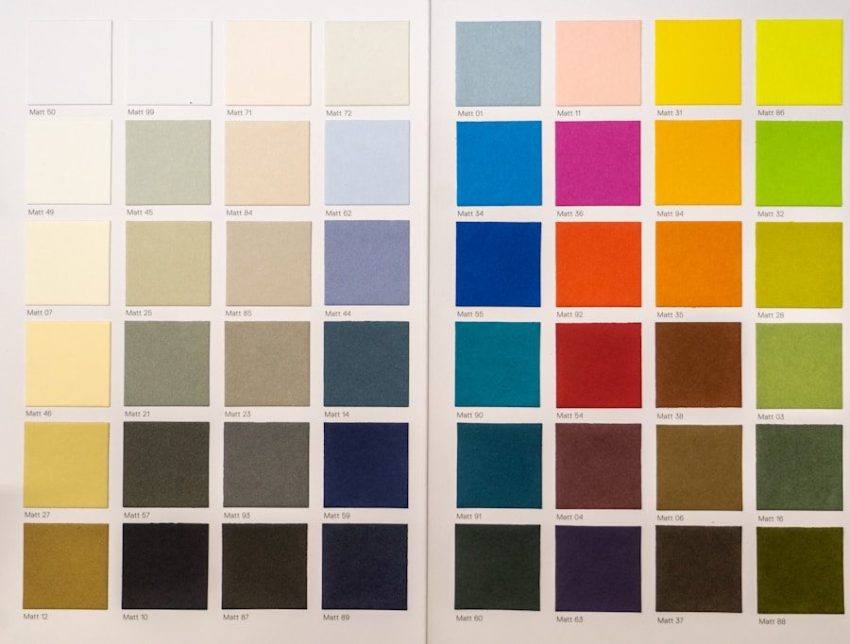
Below, I’ll walk you through all seven chakra colors and the feeling each one carries. You’ll learn which shade suits which room and how to bring each color in, whether that’s a full wall, a single accent, or just a softer version of the shade.
What the Chakra Colors Actually Mean
Chakra is a Sanskrit word that means wheel, and in ancient Indian yogic tradition, chakras are understood as the body’s energy centers.
There are seven main chakras that line up along your spine, from your tailbone to the top of your head. Each one is supposed to be in charge of a different part of how you feel. Like, one is all about feeling safe, another is for creativity, and then there’s confidence and connection.
Each chakra also has its own color. And I’ll explain which color suits which area best. If you’re not sure which feeling you (or your home) could use more of, a reading on the Asknebula website is one way to figure out your starting point before you open a single paint can. For a quick reference, see the table below.
| Chakra | Associated With | Color |
| Root | Grounding, safety | Red |
| Sacral | Creativity, warmth | Orange |
| Solar Plexus | Confidence, focus | Yellow |
| Heart | Love, balance | Green |
| Throat | Calm, expression | Blue |
| Third Eye | Intuition, rest | Indigo |
| Crown | Consciousness, spiritual connection | Violet |
Root Chakra Colors for Stability
Red belongs to the root chakra, or Muladhara, the center of safety, stability, and survival. But for painting your walls, you can use other shades too: deep red, clay, terracotta, brown, and a muted burgundy.
These shades work best in the rooms you enter first, like an entryway or a living room.
Painting the whole room may feel too much, so do one accent wall or go a few shades softer: a dusty terracotta or a clay tone on the lower half of a wall.
Sacral Chakra Colors for Warmth
Creativity and pleasure live in the sacral chakra, or Svadhisthana, and its color is orange.
Soft orange, peach, coral, and golden tones are a lovely option if you want to add warmth and a welcoming vibe to your dining room, creative corner, or sitting area.
Orange can feel like a lot on every wall, though. If that’s you, bring it in softer through artwork, cushions, ceramics, or a single painted detail.
Solar Plexus Colors for Focus
The solar plexus chakra (or Manipura) is your center of confidence and willpower, and its color is a clear, sunny yellow.
Yellow is a natural fit for a home office or study nook. It reflects light, wakes a room up, and keeps you alert without the restlessness a strong red can bring. A soft ochre or buttery tone on one wall is usually plenty, as full-strength yellow gets tiring fast.
Heart Chakra Colors for Balance
Green is the color of the heart chakra (Anahata), home to love, compassion, empathy, and forgiveness.
It reads as balanced rather than warm or cool, which makes it one of the safest colors to commit to if you’re nervous about the bolder options.
Sage, olive, or a soft eucalyptus green suits almost any room, and it’s especially calming in living spaces where people gather. It’s also a forgiving choice for a family room or playroom, since it hides little handprints better than a stark white and grows with the kids instead of feeling babyish in a year.
Throat and Third Eye Colors for Rest
The throat chakra (Vishuddha) brings blue, and the third eye (Ajna) brings indigo: the colors you reach for when a room needs to slow you down.
A soft blue or muted indigo basically whispers to your body, “You can chill now.” The Sleep Foundation says blue helps you feel calmer and more positive. This is exactly what you want in a bedroom or meditation corner. It’s a smart pick for a kids’ room or nursery too, where a soft blue can take some of the edge off bedtime and wind-down struggles.
Crown Chakra Colors for Connection
At the very top sits the crown chakra, or Sahasrara, tied to consciousness and spiritual connection. Its color is violet, along with its softer relatives: lavender, lilac, and warm white.
Full-strength violet is a statement, so most rooms do better with a paler version. Dusty lavender suits a meditation corner, a reading nook, or a bathroom that you want to feel like a small spa. Some people take it overhead and paint the ceiling a barely-there lilac, which looks a little like an early evening sky.
The crown chakra is also the one most connected to your energy as a whole, so if the personal side of color interests you, read more about aura colors.
Bringing It All Together
You don’t have to use every color, and you don’t have to repaint the whole house.
Pick the feeling you want more of, match it to a color, and try it on one wall first.
Start with the room that’s been bothering you, and see how much a single shade shifts the way the whole space feels.
If you’re hesitant about the wall, test the shade with textiles first. For example, add two pillows or a throw in that color. If it doesn’t annoy you after a week, you can paint.
You can also make one wall an accent. Choose the wall your eyes land on first when you walk in or the one behind a main object like your bed or desk. This gives the room a clear focal point without a weekend-long paint job.