
A reading nook is one of the simplest ways to turn your home into a place where kids want to slow down and open a book. It does not require a renovation or a big budget. A quiet corner, a soft seat, and a few thoughtful touches are enough to get started.
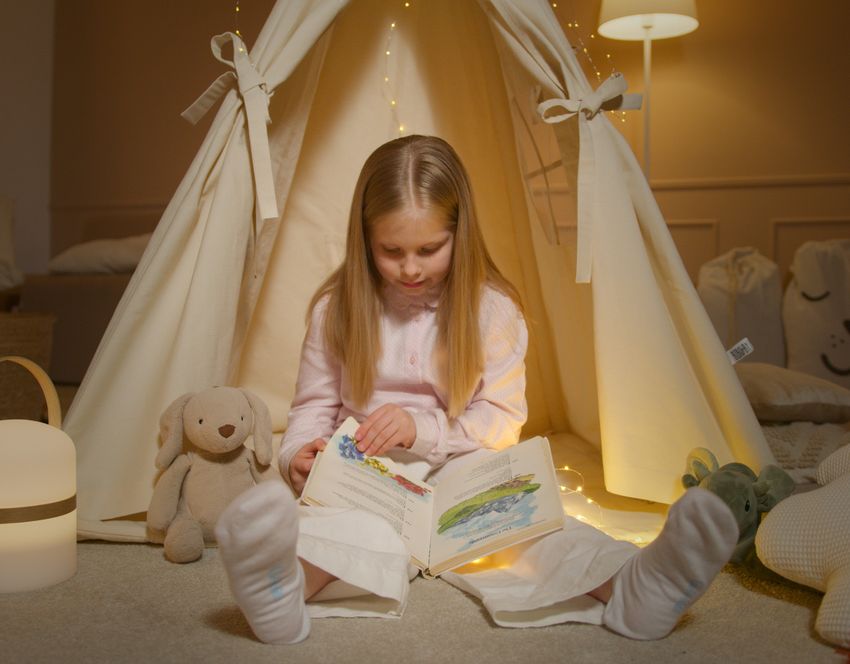
If you already enjoy weekend DIY decor projects, this is a fun one to add to the list. It blends home styling with something that genuinely helps your kids. Best of all, you can build it in an afternoon with things you may already own.
Why a Reading Nook Helps
Kids read more when reading feels easy and inviting. A dedicated spot signals that this corner is for stories, not screens or toys. That small shift in setting can make a real difference in daily habits.
A nook also gives children a sense of ownership. When the space feels like theirs, they return to it on their own. That independence is exactly what builds a lasting love of books.
Pick the Right Spot
Look for a low-traffic corner with decent natural light. A spot near a window works beautifully during the day. A bedroom corner, a hallway alcove, or the end of a playroom can all work well, too.
Keep the area away from the television and other distractions. The goal is a calm pocket of the home. You want your child to feel tucked away, even if the nook is only a few feet wide.
Build a Comfy Base
Comfort is what keeps kids in the nook once they sit down. Start with soft layers and build up from there.
Seating
A bean bag, floor cushion, or small armchair all make great anchors. If you are working with limited space, a folded quilt and a few throw pillows do the job. Aim for something a child can sink into and stay a while.
Lighting
Natural light is ideal, but add a warm lamp for evenings. A clip-on book light or a small string of fairy lights adds a cozy glow. Soft lighting keeps the mood relaxed and easy on young eyes.
Add Personal Touches
This is the step that turns a plain corner into a space your child loves. Personalization invites kids to make the nook their own, and it is where a little creativity goes a long way.
Decorating storage bins, a reading caddy, or a child’s water bottle with fun vinyl decals is an easy place to start. A small set of durable, weather-resistant book stickers can label shelves, brighten a journal, or personalize a tablet used for reading. These reading-themed designs give the corner personality without any clutter.
Let your child help choose the colors and themes. When they pick the details, they feel invested in the result. That ownership often translates into more time spent reading.
Keep Books Within Reach
Easy access matters more than a large collection. Kids reach for books they can see and grab on their own. Open, front-facing shelves work better than tall, crowded bookcases.
A simple rain gutter shelf mounted low on the wall displays covers at a child’s eye level. A small basket or crate beside the seat works just as well. Rotate the titles every week or two to keep things fresh.
Try to include a mix of formats and reading levels. Picture books, early readers, and a few longer stories give your child options. Variety keeps the nook interesting as they grow.
Style It Without Overdoing It
A reading nook should feel calm, not crowded. A few intentional details beat a wall full of decorations. Choose one or two accents and let the rest stay simple.
A soft rug defines the space and adds warmth underfoot. A small wall hanging or a framed print can tie the colors together. Leave enough open space so the corner feels restful rather than busy.
If you want a seasonal touch, swap a pillow cover or a small banner now and then. These tiny updates keep the nook feeling new. They also give your child something to look forward to.
Make Reading a Daily Habit
The nook works best when it becomes part of your routine. Tie the reading time to an existing anchor in the day. After lunch, before naps, or right before bed are all natural fits.
Keep the sessions short and pressure-free at first. Even ten quiet minutes build momentum. Consistency matters far more than length when habits are forming.
Reading together is just as valuable as reading alone. Curl up in the nook with your child and take turns with the pages. Shared reading carries real benefits, and together you can find research and practical tips for reading with kids to try at home.
Keep It Flexible
Your child’s needs will change over time, and the nook can change with them. What works for a toddler will look different for a growing reader. Treat the space as something that evolves.
Swap the seating as your child gets taller. Update the book selection as their interests shift. A nook that grows alongside your child stays useful for years.
You can also let the space stretch beyond books. A sketchpad, a few crayons, or a quiet puzzle can live there, too. The point is a calm corner for focused, screen-free time.
Final Thoughts
A cozy reading nook is a small project with a big payoff. It costs little, comes together quickly, and gives your kids a space that makes reading feel special. The effort you put in now pays off in quiet afternoons spent with a good book.
Start with one corner and a single soft seat. Add the details your child loves, and let the space grow from there. Before long, you may find it is the most-used spot in the house.