
A tidy yard does more than improve curb appeal. It removes the hiding spots that rodents, spiders, ants, and cockroaches rely on to nest, breed, and eventually make their way indoors. Most pests do not appear out of nowhere; they follow a path of least resistance, moving from cluttered outdoor spaces into homes when shelter and food are easy to find. By addressing the yard first, homeowners can interrupt that path before it ever reaches the foundation. The good news is that most of this work does not require special equipment or professional training. It simply requires consistency and an understanding of where pests prefer to hide.
Clearing Leaf Piles and Organic Debris
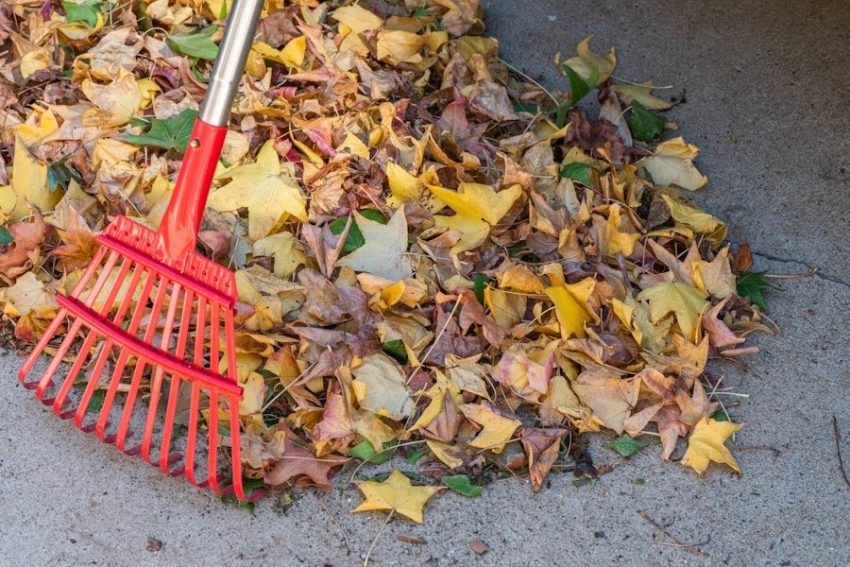
Fallen leaves, grass clippings, and decomposing plant matter create a moist, sheltered microclimate that many pests find ideal. Spiders often build webs in undisturbed leaf litter, while roaches and ants use the damp layers as cover from predators and temperature swings. Rodents, particularly in cooler months, will burrow into thick leaf piles for insulation.
Raking and bagging leaves regularly, rather than letting them accumulate against the house or in garden beds, removes this shelter almost entirely. Composting is still a reasonable option for yard waste, but compost piles should be placed away from the home’s exterior and turned periodically to prevent them from becoming a stable nesting site. This is one of the simplest habits homeowners can adopt, and it pairs well with the kind of steady maintenance that pest control professionals often recommend as a first line of defense against seasonal pest pressure.
Reorganizing Firewood and Lumber Storage
Firewood stacks are a well-documented pest magnet. Termites, carpenter ants, spiders, and even rodents are drawn to the combination of wood, shade, and undisturbed space. Research from university extension programs has consistently shown that firewood stored directly against a home’s siding increases the likelihood of wood-destroying insects gaining access to structural timber.
A few adjustments make a meaningful difference:
- Store firewood at least 20 feet from the house whenever possible.
- Elevate stacks off the ground using a rack or pallet to reduce ground contact.
- Rotate wood regularly so pests cannot establish long-term colonies underneath.
- Avoid covering wood tightly with tarps, since this traps moisture and encourages insect activity.
These steps reduce shelter without requiring any chemical treatment, and they reflect the kind of practical, preventive approach that Smart Solutions Pest Control emphasizes when advising homeowners on long-term pest management.
Cleaning Beneath Decks and Porches
The space beneath decks and porches is often dark, dry, and rarely disturbed, which makes it one of the most attractive shelter zones for rodents and spiders. Skunks and rats in particular are known to dig burrows beneath low decking, especially when there is loose soil or gaps in the skirting.
Homeowners should periodically clear leaves, debris, and stored items from beneath these structures. Installing hardware cloth or mesh skirting around the perimeter of a deck can physically block access without altering the structure’s appearance. This kind of barrier is inexpensive and, once installed, requires little upkeep beyond an occasional inspection.
Clearing Unused Containers and Standing Water Sources
Empty pots, buckets, old tires, and other unused containers left in a yard tend to collect rainwater, and stagnant water is a primary breeding ground for mosquitoes. According to the U.S. Environmental Protection Agency, mosquitoes can complete their entire life cycle in water sitting undisturbed for as little as a week. Beyond mosquitoes, damp containers also attract ants and roaches searching for moisture during dry periods.
Walking the yard after rainfall to check for pooled water in containers, tarps, or low-lying equipment is a simple habit that pays off. Containers that are not in regular use should be stored upside down or discarded altogether. This single practice addresses several pest categories at once, since moisture control is central to reducing both insect breeding and rodent attraction.
Trimming Dense Vegetation and Overgrown Landscaping
Thick shrubs, overgrown hedges, and vegetation that touches the exterior walls of a home create shaded, humid pockets where pests thrive. Spiders often anchor webs in dense foliage, while rodents use overgrown ground cover as concealed travel routes between the yard and the home’s foundation.
Trimming vegetation so it does not make direct contact with siding, and maintaining a clear buffer zone of at least a foot between plants and the house, reduces both shelter and easy access points. Regular pruning also improves airflow and sunlight exposure, which naturally discourages the damp conditions many pests depend on.
Repairing Small Outdoor Storage Areas
Sheds, tool boxes, and small outbuildings are frequently overlooked during yard cleanup, yet they offer some of the same appeal as a home’s interior: shelter, darkness, and protection from weather. Gaps around doors, cracked siding, or unsealed vents on these structures give pests an easy way in.
Inspecting outdoor storage for small openings and sealing them with weatherproof materials prevents rodents and insects from establishing nests. Keeping stored items organized and off the ground inside these structures also removes potential hiding spots, making it easier to notice signs of activity such as droppings or chewed materials before an infestation grows.
Final Analysis
Consistent yard maintenance is one of the most effective, low-cost strategies for reducing pest activity around a home. Removing leaf litter, organizing firewood, cleaning beneath decks, managing standing water, trimming vegetation, and repairing outdoor storage all work together to eliminate the shelter pests depend on. Just as importantly, a well-maintained yard makes it far easier to spot early warning signs, such as burrows, webs, or droppings, before pests find their way indoors.
For homeowners who complete these steps and still notice ongoing activity, that is often a sign the infestation has moved beyond what exterior cleanup alone can resolve. In those cases, consulting a professional pest management service can help identify the source and address it thoroughly. Regular DIY maintenance remains the foundation of pest prevention, but it works best when paired with informed, timely action when problems persist.