
Key Takeaways
- Eco-friendly pest control methods are safe for people, pets, and the environment.
- Integrated Pest Management (IPM) combines multiple strategies to address pest issues comprehensively.
- Natural repellents and simple preventive practices offer non-toxic solutions for common household pests.
- Professional pest control services now offer green alternatives tailored to specific residential needs.
Table of Contents
- Understanding Eco-Friendly Pest Control
- Integrated Pest Management (IPM)
- Natural Repellents and Preventive Measures
- Professional Eco-Friendly Pest Control Services
- Benefits of Eco-Friendly Pest Control
- Conclusion
Maintaining a pest-free home is vital for the health and comfort of your family, but traditional pest control often relies on chemicals that pose risks to children, pets, and the environment. More homeowners are discovering that eco-friendly pest control solutions not only work effectively but also keep everyone safe. Finding a balance between effective pest management and environmental responsibility is now easier through service providers such as pointepest.com, which offer green alternatives to harsh conventional treatments.
Unlike typical pest control products, eco-friendly approaches utilize naturally derived ingredients and sustainable practices that aim to minimize harm. These methods embrace a holistic view, reducing the use of toxic chemicals while maximizing the safety of indoor spaces where families spend most of their time. Eco-friendly pest control recognizes that protecting people and nature can go hand in hand, and that effective solutions do not have to compromise on well-being.
Understanding Eco-Friendly Pest Control
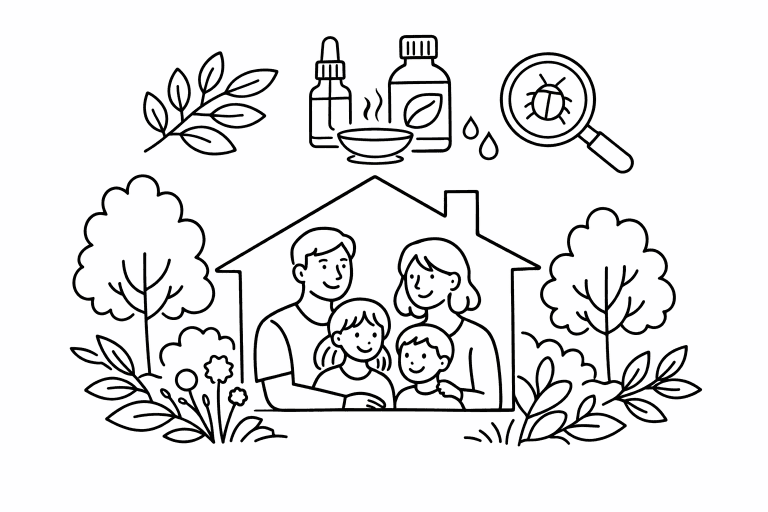
Eco-friendly pest control is designed to eradicate and manage infestations using strategies that minimize risk to people, companion animals, and the planet. These approaches focus on eliminating pests while prioritizing safe, natural options. Botanical-based sprays, essential oils, and integrated physical methods help tackle pests without filling the home with lingering toxins. Many eco-friendly pest control companies have shifted to using ingredients that are derived from plants or other natural resources, reducing environmental footprint and lowering the likelihood of harmful exposures.
According to experts, sustainable pest management involves not only effective eradication but also a mindset of prevention, structural maintenance, and regular monitoring to stop infestations before they start. This approach reduces the need for reactionary chemical treatments and helps promote healthier homes in the long run. Consumers can find a range of resources, such as the EPA’s guide to safe pest control, offering recommendations on using non-chemical and low-toxicity products.
Integrated Pest Management (IPM)
Integrated Pest Management, or IPM, is a progressive approach that blends science, prevention, and targeted interventions to deliver comprehensive pest control. Rather than relying solely on repeated chemical applications, IPM uses a combination of strategies to address pest problems at their roots. This process begins with a thorough inspection to identify exactly which pests are present and the scale of the problem.
- Inspection: Careful observation of the property to determine pest types and problem areas.
- Prevention: Fixing entry points, improving sanitation, and removing food and water sources to decrease attractants.
- Control: Judicious use of traps, biological control agents (such as beneficial nematodes), and low-risk products when absolutely necessary.
- Monitoring: Routine assessments to ensure that pests have not returned and to catch new problems early.
By coordinating these steps, IPM supports long-term pest suppression, reduces the need for chemicals, and can be tailored for homes, businesses, and even large agricultural operations.
Natural Repellents and Preventive Measures
Many pests can be controlled or discouraged using natural repellents and good household habits. Essential oils like peppermint, eucalyptus, and lavender are known to repel many insects and can be applied near windows, doors, or other entry points for added protection. Diatomaceous earth, a fine, natural powder, is effective against crawling insects such as ants and cockroaches without introducing toxins indoors.
- Essential Oils: Create small sachets with peppermint or lavender oil to deter moths and ants in closets and kitchen cabinets.
- Diatomaceous Earth: Sprinkle in corners and along baseboards to incapacitate crawling insects.
- Seal Cracks: Inspect and caulk gaps in the foundation, around windows and doors, and in attic spaces.
- Waste Management: Keep trash cans tightly closed, and remove compost or recyclables regularly to eliminate food sources for pests.
Preventive measures not only help keep pests at bay but also reduce the need for costly interventions later on.
Professional Eco-Friendly Pest Control Services
The demand for green pest control has led to an increase in professional companies offering safe, tailored pest management programs. For example, certain companies in the industry have launched plant-based and minimally toxic treatments designed to eradicate pests while limiting risks to health and the environment. These services often include an initial inspection, targeted spot treatments, and follow-up monitoring to ensure success.
Working with qualified professionals can save homeowners time and stress, and trained technicians can recommend customized solutions for unique pest challenges. Choosing a service with a commitment to green methods guarantees a safer home that aligns with modern sustainability values.
Benefits of Eco-Friendly Pest Control
Shifting to eco-friendly pest control brings multiple advantages. First, it minimizes household exposure to hazardous chemicals, protecting the health of all family members, especially children and pets. Environmentally safe methods also help preserve biodiversity by sparing beneficial insects and protecting local water sources from run-off contamination.
- Health Safety: Natural repellents and botanical sprays limit respiratory and skin reactions.
- Environmental Protection: Lower ecological impact supports local wildlife and pollinators.
- Long-Term Effectiveness: Prevention and regular monitoring deliver lasting pest reduction.
- Pet and Child Safety: Green solutions are less likely to pose accidental poisoning risks.
These benefits make eco-friendly pest control a sound choice for any household aiming for sustainability and holistic health.
Conclusion
Eco-friendly pest control solutions offer the dual promise of effective pest management and a safe, healthy home environment. By embracing natural approaches, adopting Integrated Pest Management, employing non-toxic repellents, and consulting with green-certified professionals, families can address pest issues responsibly. These solutions benefit both people and the planet and represent a long-term investment in wellness and ecological balance.