
Two years ago, the corner behind our garage door held a bike with a flat tire, a folding table nobody folded, and a growing pile of things we meant to donate. Now it holds a rack, a bench, and the most-used square footage in the house.
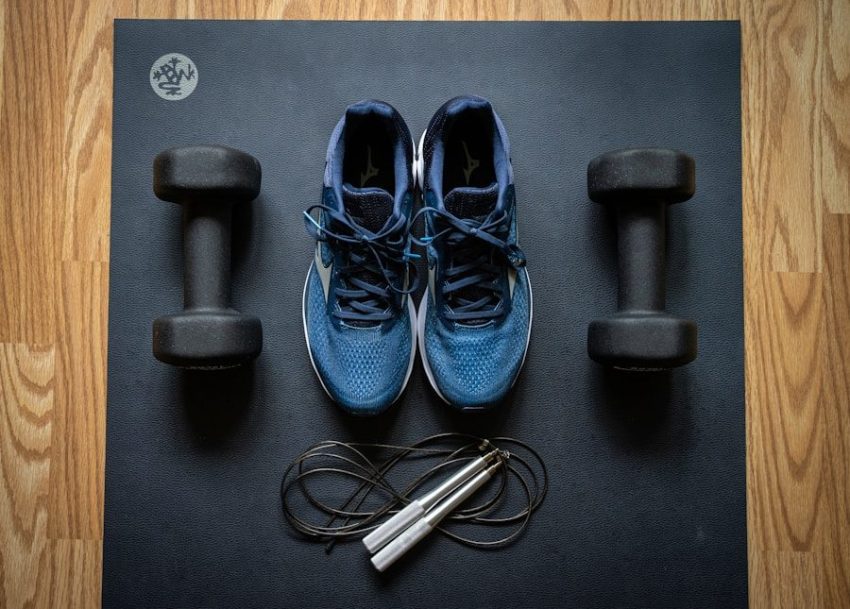
That transformation did not happen by accident. It happened by measuring twice, buying once, and picking equipment that could grow alongside three different fitness levels under one roof.
A well-planned home gym corner can deliver real strength training, privacy from a crowded gym floor, and the convenience of a workout that starts the moment you walk in, all without taking over the house. Whether your household leans toward quick home workout sessions between school pickups or structured strength training on the weekend, the right setup turns an ignored corner into the place everyone actually shows up.
I have watched this same corner handle bodyweight circuits, my partner’s resistance training days, and my own barbell work, often in the same afternoon. Getting there took a bit of planning around space, goals, and budget, which is exactly where I’d start if I were doing it again.
How Do You Plan a Fitness Nook Before Buying Equipment?
Planning starts with three questions: how much space do you actually have, who will use it, and how much can you spend now versus later. Get those answers before you look at a single product page, because they determine whether you need a home gym for small spaces, a compact home gym with one multi-use machine, or a larger footprint built around a full power rack.
Measure the Floor, Ceiling, Doorway, and Training Clearance
Grab a tape measure before you grab a credit card. I learned this the hard way when a rack I loved online turned out to need six more inches of ceiling clearance than my garage bay offered.
Measure the floor space you can dedicate, then check ceiling height with your arms raised overhead, since overhead presses and pull-ups need real headroom. Note doorway widths too. A power rack often arrives in one long, heavy box, and a tight hallway turn can turn moving day into a wrestling match.
Leave clearance around the equipment itself, not just for the frame. A rack needs walking room on at least two sides for loading plates and stepping through for squats or lunges.
Match the Setup to Family Goals and Training Experience
The right equipment depends on who is training and what they want from it. A teenager building confidence with bodyweight training needs different tools than a parent working through structured weight training three days a week.
I mapped out our own household this way:
- Beginner or bodyweight-focused: pull-up bar, resistance bands, adjustable bench, open floor space
- General strength training: barbell, plates, adjustable bench, squat rack or stand
- Multiple users with different goals: an all-in-one system or cable-based setup that adjusts quickly between users
That last option ended up mattering most for us, since no two people in my house train the same way on the same day.
Set a Budget That Leaves Room for Future Upgrades
Buy your foundation pieces first and treat everything else as a later addition. Flooring, an adjustable bench, and a barbell with plates cover more workouts than people expect, and they cost far less than a full rack system on day one.
I’d rather see a family spend on quality and durability for the pieces they’ll touch daily (a bench, a bar, a set of plates) and add a rack or functional trainer once the budget allows. Cheap frames flex under load and rarely last, so durability is not the place to cut corners, even on a tight budget.
Which Training System Fits Your Space and Routine?
The core decision in any home gym build is choosing between a power rack, a functional trainer or cable machine, a Smith machine or all-in-one trainer, and lighter-footprint smart or suspension options. Each category serves a different training style, and most families end up leaning toward one primary system rather than mixing several bulky pieces in the same corner.
I tested variations of all four in our own space before settling on a rack-and-cable combination, and the differences in floor space, versatility, and cost were bigger than I expected going in.
Power Racks, Squat Racks, and Squat Stands for Free-Weight Training
A home gym power rack is the right foundation for barbell squats, bench presses, and overhead work. Four-post power racks offer safety pins for heavy solo lifting.
Two-post squat stands save floor space while supporting standard barbell lifts for space-conscious lifters.
MIKOLO’s F4 Power Rack, built with a lat pulldown system attached, is a good example of a rack that does double duty instead of sitting idle between squat sessions.
Squat stands work well in tighter corners since they can often fold or push against a wall. Full racks need more permanent floor space but offer more safety margin for progressive overload.
Functional Trainers and Cable Machines for Versatile Resistance Work
A functional trainer or cable machine covers the widest range of exercises per square foot of any equipment category. Cable stations handle rows, presses, curls, tricep work, and core exercises through adjustable pulleys, which makes them a favorite for households with mixed training goals.
The Bells of Steel Functional Trainer and MIKOLO’s FALCON™-2.0, with its centralized lat row system, both show how a single cable tower can replace several single-purpose machines. For families juggling different body types and strength levels, adjustable pulley height means the same station works for a teenager and an adult without swapping equipment.
Smith Machines and All-in-One Trainers for Multi-Station Training
An all-in-one home gym combining a Smith machine, power cage, and functional trainer delivers the most training variety in a fixed footprint. Options like the Force USA G3, Force USA G12, and MIKOLO’s M4-2.0 and K6-2.0 Ultra pack guided-bar squats, cable work, and rack-based lifts into one frame.
These multi-station machines suit households that want one piece of equipment to cover strength training, accessory work, and guided lifts for less confident lifters, all without buying three separate systems.
Smart, Suspension, and Bodyweight Options for Minimal Footprints
Suspension trainers and smart gyms work best for apartments, renters, or minimal footprints. Systems like the TRX Home2 anchor to a door or beam for full-body bodyweight training.
Smart trainers like Tonal or Speediance use digital resistance, delivering full workouts without physical weight plates.
| System | Footprint | Best For | Approx. Setup Complexity |
| Power Rack (REP PR-4000, PRx Profile Pro) | Large, fixed | Serious barbell strength training | Moderate to high |
| Squat Stand (Fringe Sport) | Small to moderate | Space-conscious lifters | Low |
| Functional Trainer (Bells of Steel, FALCON™-2.0) | Moderate | Versatile cable-based training | Moderate |
| All-in-One (Force USA G3/G12, M4-2.0, K6-2.0 Ultra) | Large | Multi-user, multi-goal households | High |
| Smart/Suspension (TRX Home2, Tonal 2, Bowflex Xtreme 2 SE) | Small | Renters, beginners, minimal space | Low |
What Equipment Creates a Complete Full-Body Setup?
A complete home-gym corner needs four building blocks: a barbell and plate system, an adjustable bench, cable-based accessories, and a few multi-purpose extras like a pull-up bar or landmine attachment. You do not need every piece on day one, but knowing the order helps you avoid buying equipment that sits unused.
Start With a Barbell, Adjustable Bench, and Plates
A 7-foot, 20 kg Olympic barbell paired with an adjustable bench and a starter set of plates covers more exercises than any single machine. Squats, presses, rows, and deadlifts all run through this combination before you add anything else.
Dumbbells and kettlebells fill in the gaps for unilateral work and quick warm-ups. I keep a pair of adjustable dumbbells within arm’s reach of the bench, since half our accessory work happens there without ever touching the bar.
Add Cable Stations for Lat Pulldowns, Low Rows, and Cable Crossovers
Cable pulley systems extend a barbell-and-bench setup into pulling and isolation work that free weights alone cannot replicate as smoothly. Lat pulldowns, low rows, cable crossovers, and chest press variations all run through the same weight stack, which keeps the footprint from growing much beyond the original bench and rack.
MIKOLO’s Plate Loaded Pulley Tower G3 and Weight Stack Pulley Tower G5 are compact examples built for corners that cannot fit a full cable crossover machine.
Round Out Lower-Body, Core, and Bodyweight Training
Leg press attachments, leg extension and leg developer machines, and ab crunch stations round out a setup once the upper-body basics are covered. A pull-up bar or dip station adds bodyweight training variety without needing floor space at all, since most mount to an existing rack.
Products like the NOVA™ Progressive Load Leg Extension & Curl Machine give lower-body training a dedicated station, which matters if squats alone are not covering enough leg volume for your family’s goals.
Choose Accessories That Support More Than One Exercise
Every accessory should earn its footprint by supporting several exercises. A landmine attachment, for example, turns one end of a barbell into a press, row, and rotational trainer, and a core trainer attachment often mounts directly to a rack instead of needing its own floor space.
I look for accessories that store flat or hang on the rack itself, since anything that needs its own shelf tends to disappear from the routine within a month.
How Can One Corner Support Safe, Repeatable Workouts?
One training corner supports safe, repeatable workouts when the resistance progresses intentionally, the routines stay simple enough to repeat, storage keeps the space usable between sessions, and someone checks the equipment on a regular schedule. Families who stick with a home gym long-term tend to treat these four habits as part of the routine, not an afterthought.
Use Pulley Ratios and Resistance Progression Intentionally
A pulley ratio describes how much of the weight stack you actually lift for a given amount of cable pulled, and it matters more than people expect when picking a cable machine. A 2:1 ratio means pulling twice the cable distance moves half the effective weight, which changes how a movement feels compared to a straight 1:1 setup.
Understanding this helps you progress intentionally instead of guessing why a “50-pound” pulldown feels lighter or heavier than expected. I check the pulley ratio on any new cable attachment before assuming the weight stack numbers tell the full story.
Create Simple Strength, CrossFit, and Bodybuilding Training Paths
A single corner can support a full-body workout for strength training, CrossFit-style conditioning, or bodybuilding-focused physique work, as long as the routine stays realistic for the space. Strength paths lean on the barbell and rack; CrossFit-style circuits favor open floor space and a pull-up bar; bodybuilding routines lean harder on the cable stack and isolation attachments.
I rotate our household through variations of all three across the week, which keeps the same equipment from feeling repetitive to three different training styles.
Store Equipment for Fast Transitions and Shared Use
Fast transitions between users depend on storage that keeps loose plates, bands, and attachments off the floor. A wall-mounted plate rack, a bench that folds upright, and hooks for bands and collars turn a five-minute cleanup into a ninety-second one.
Shared use works best when everyone knows where things live. I labeled our plate storage early on, mostly to stop three different collar sizes from ending up in three different drawers.
Protect Floors, Maintain Moving Parts, and Inspect Equipment Regularly
Rubber flooring protects both the equipment and the slab underneath, and it should go down before anything else moves in. Beyond flooring, moving parts like cables, pulleys, pivot points, and guide rods need regular cleaning and monthly lubrication under normal use, with more frequent attention if the equipment sees daily heavy use.
I check bolts and cable wear every few months, since a five-minute inspection catches problems long before they become safety issues. Equipment backed by frame warranty coverage, like MIKOLO’s lifetime warranty on the frame, gives some peace of mind here, but routine checks still matter for the parts that see the most friction.
Build a Training Space That Can Grow With Your Family
A family fitness nook works best when it starts small, solves a real space and budget constraint, and leaves room to add home gym machines as goals change. The corner that started with just a bench and a set of bands in our garage now holds a rack, a cable tower, and enough plates for three different training styles, and none of that happened in one purchase.
Multiple training styles can easily fit into a compact footprint once the basics are in place. Measure your space, identify household routines, and invest in sturdy, reliable gear.
The daily convenience and privacy of training at home quickly make that small corner the most valuable space in the house.
Start with what your family will use this month, not what looks impressive on day one. The rest tends to follow once the habit takes hold.