
A home can be beautifully decorated and still feel frustrating to live in. Maybe the kitchen feels cut off from the rest of the main floor. Maybe the hallway becomes a traffic jam every morning. Or maybe the living room looks finished, but somehow never feels easy to use.
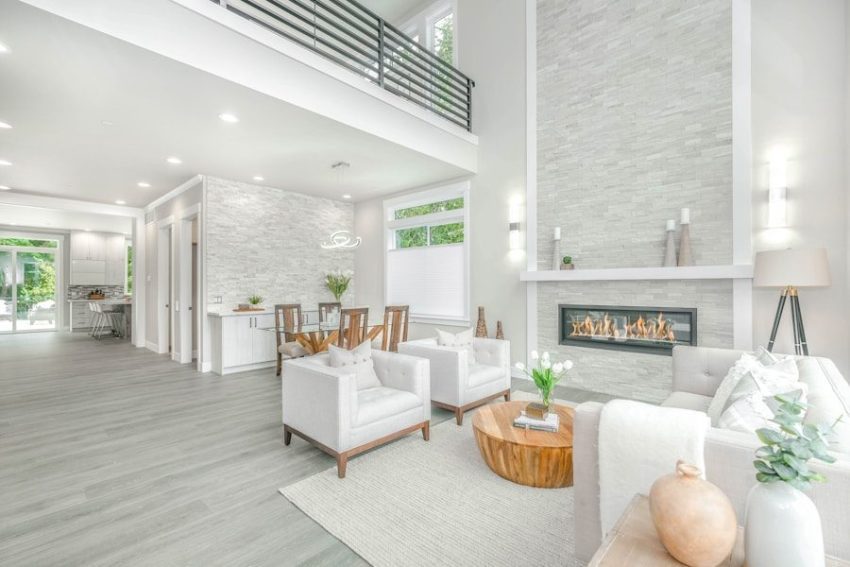
When rooms don’t connect well, everyday routines feel harder than they need to. Better room-to-room flow starts with noticing how the home actually works, then making renovation choices that help each space feel more open, practical, and connected without taking away the character that makes the house feel like home.
Watch How People Actually Move Through the House
Before changing walls, finishes, or layouts, pay attention to the paths people already take. Some of the best renovation ideas come from ordinary daily habits: where shoes pile up, where someone always has to squeeze around a chair, or where two people can’t pass each other comfortably.
Walk through the home during the busiest parts of the day and notice what feels awkward. Is the path from the entryway to the kitchen always blocked? Does the dining table become the landing spot for mail, backpacks, and bags? Does the hallway feel narrow because storage is missing somewhere else?
Those little frustrations usually point to bigger flow problems. A home doesn’t need to be large to feel comfortable, but each room should connect to the next in a way that supports real life. Once you can see where movement slows down, it becomes much easier to choose renovation updates that will make a real difference.
Open Up Spaces Where Walls Interrupt Daily Life
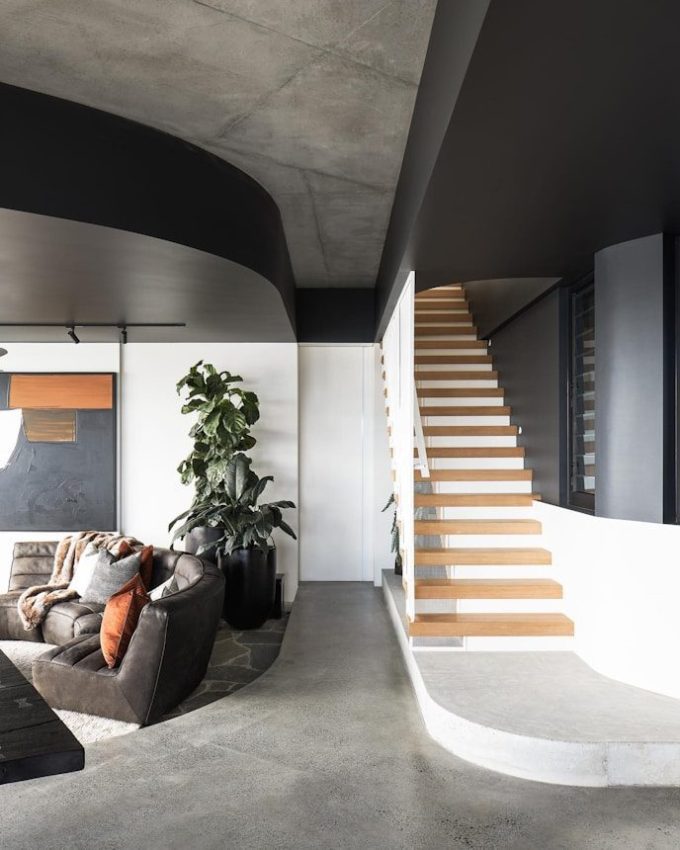
Some homes feel choppy because their layouts no longer match how people live. A kitchen may feel boxed in from the dining room, or a living area may feel disconnected from the rest of the main floor. Even if each room looks nice on its own, the home can still feel harder to use when sightlines are blocked, and movement feels restricted.
Opening up a space doesn’t always mean removing every wall. Sometimes widening a doorway, creating a larger opening, or improving the transition between two rooms is enough to make the home feel more connected while still giving each area its own purpose. In other cases, better flow might mean reworking part of the kitchen, shifting storage, or creating a clearer path between the spaces people use most.
This is where thoughtful planning matters. A wall that feels inconvenient might be load-bearing, hiding electrical work, or affecting how nearby rooms function. Before making layout changes, it helps to look beyond a single wall and consider how the entire area will work once the renovation is complete.
Simple updates, such as rearranging furniture, improving lighting, or clearing walkways, can make a room easier to use. But when the problem is built into the layout itself, such as closed-off walls, awkward kitchen access, or rooms that no longer fit daily routines, working with a renovation team like DG Builders can help homeowners think through bigger changes that improve how the whole home works.
Let the Kitchen Improve the Main Floor
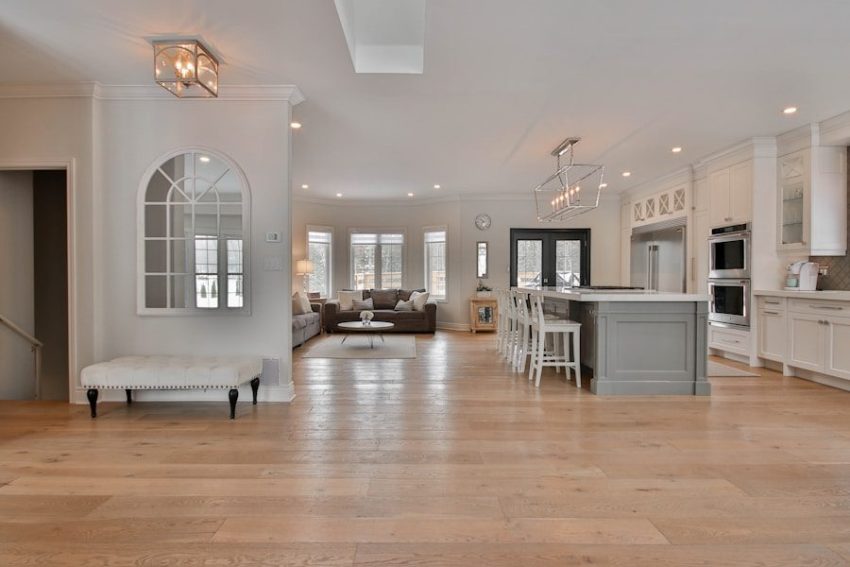
The kitchen often sets the pace for the main floor. When it feels cramped, closed off, or hard to move through, the surrounding rooms usually feel the strain as well. A narrow walkway can affect the dining area. Poor storage can lead to clutter in the living room. An awkward island can make cooking, serving, and gathering feel more difficult than they should be.
A kitchen renovation can improve flow by looking at how the room connects to nearby spaces. That might mean creating a clearer path from the refrigerator to the prep area, opening the kitchen toward the dining room, or adjusting the island so people can move around it comfortably.
Storage matters just as much as layout. When everyday items have a better place to land, the rest of the main floor feels calmer. A pantry zone, deeper drawers, appliance storage, or a built-in cabinet near the dining area can keep the kitchen working well without letting clutter spill into the other connected rooms.
The best kitchen updates support the whole home, not just the cooking space. When the kitchen is easier to move through, the rooms around it usually feel more connected, relaxed, and ready for daily life.
Rethink Bathroom Access and Everyday Comfort
Bathrooms can quietly affect the flow of the whole house. A door that swings into a tight hallway, a cramped vanity area, or a shower that no longer feels safe can make busy mornings more stressful. Small layout problems become even more noticeable when several people are getting ready, guests are visiting, or kids need help moving through the space.
A bathroom renovation can improve comfort by creating clearer movement through the room. That might mean choosing a walk-in shower, improving lighting, adding smarter vanity storage, or changing fixtures to make the space feel easier to use. Since bathroom updates often connect to broader floor-plan decisions, a home remodeling planning guide can help homeowners decide whether the project is a simple fix or part of a larger renovation.
The goal is not to make every bathroom bigger. It is to make the space work better within the home. When the bathroom is easier to access, safer to move through, and less cluttered, the rooms around it feel calmer as well.
Use Windows and Light to Connect Spaces
Light changes how rooms feel together. When one room is bright, and the next feels dim, the transition can make the home feel more divided than it really is. Better natural light can soften those breaks and help nearby spaces feel more connected.
Windows are one of the clearest places to start. Older or poorly placed windows can make a room feel closed in, even when the layout is otherwise good. Replacing outdated windows, widening views where possible, or choosing window treatments that let in more daylight can help rooms feel brighter and more open.
Interior choices matter here as well. Consistent trim, similar flooring tones, and lighter wall colors can help light move visually from one space to the next. The goal is to create a smoother feeling as you walk through the home, so each room feels connected instead of separate.
Make Room-by-Room Renovations Feel Cohesive
Renovating one room at a time can still lead to a home that feels connected. The key is to think beyond the room you’re working on and pay attention to how it relates to the spaces around it.
Flooring is one of the biggest pieces. When flooring changes abruptly from one room to the next, the home can feel chopped up. The same goes for trim, door styles, wall colors, and hardware. Everything doesn’t have to match perfectly, but repeated details help rooms feel like they belong together.
Planning the order of projects can make a whole-home renovation feel less overwhelming. Before jumping between the kitchen, bathroom, living room, and hallway, it helps to understand how to renovate rooms in the right order so each update supports the next.
A cohesive renovation makes each room better while still respecting the whole house. When transitions feel intentional, the home becomes easier to move through and more comfortable to live in.
Know When a Cosmetic Fix Is Not Enough
Some flow problems can be improved with simple changes. Moving a bulky chair, adding better lighting, clearing a walkway, or using smarter storage can make a room feel easier to use right away. Those updates are worth trying first, especially when the space mostly works but feels a little crowded or unfinished.
Other issues run deeper. If a doorway is too narrow, a kitchen blocks the natural path through the main floor, a bathroom layout feels cramped, or several rooms feel disconnected from each other, the problem may be part of the home’s structure or floor plan. That is when it helps to step back and look at the bigger picture instead of fixing one corner at a time.
The right choice depends on what is actually causing the frustration. If the furniture is the problem, a new layout might be enough. If the home itself is interrupting movement from room to room, a renovation plan can create a more lasting fix.
Conclusion
Better room-to-room flow can make a home feel calmer, more connected, and easier to enjoy every day. It starts with paying attention to how people move, where routines slow down, and which spaces no longer support the way the household actually lives.
A thoughtful renovation plan can turn small daily frustrations into a home that feels more natural from one room to the next. When each space works with the rooms around it, the whole house feels more comfortable, practical, and complete.
Interlinking suggestion:
From:https://acraftedpassion.com/renovating-your-home-what-you-need-to-know/ to this article with anchor: how rooms connect