
Mold can affect health in several ways, ranging from mild allergic reactions to more serious respiratory issues. Prolonged exposure to toxic mold may even lead to significant medical expenses, missed work, and legal disputes. Since it often develops in places people consider safe, understanding where and why it grows is an important part of protecting both health and legal rights.
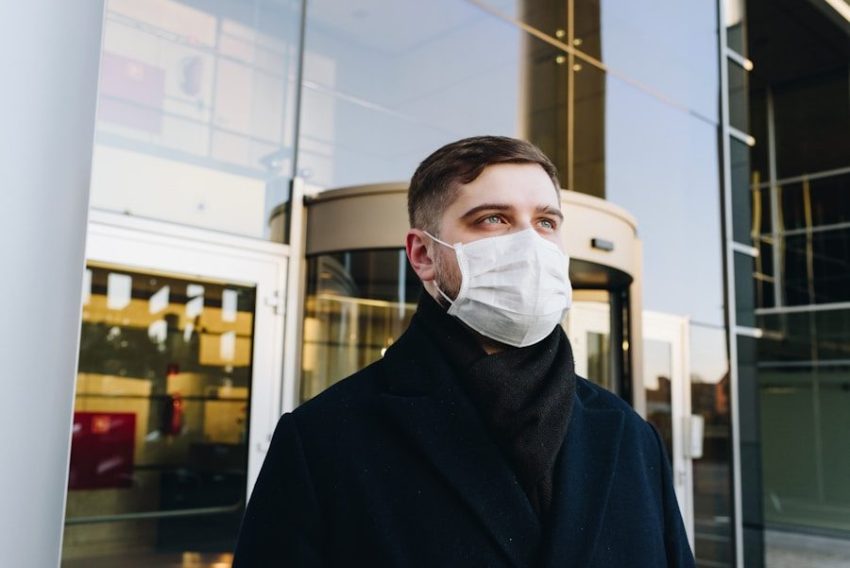
San Diego, a city in California, is known for its coastal beauty, mild temperatures, and outdoor lifestyle. Many people move to the area expecting clean ocean air and comfortable living conditions year-round. However, even in a city famous for its pleasant climate, moisture problems inside homes, apartments, and commercial buildings can create the perfect environment for mold growth.
Reports involving black mold exposure in San Diego, CA, have highlighted the importance of addressing mold problems quickly before they become serious health hazards. When these issues are linked to negligence, consulting a toxic mold lawyer can help victims understand their rights and seek compensation for their losses.
Let’s dig deep to learn how mold can affect your health.
Mold Can Trigger Allergy Symptoms
One of the most common effects of mold exposure is an allergic reaction. When mold spores become airborne, they can enter the nose and throat, causing irritation.
People may experience:
- Sneezing
- Runny nose
- Nasal congestion
- Itchy eyes
- Scratchy throat
These symptoms can persist as long as the person remains in the mold-contaminated environment.
Mold Can Irritate the Respiratory System
Breathing in mold spores can affect the lungs and airways. Even individuals without pre-existing respiratory conditions may notice discomfort after prolonged exposure.
Common respiratory symptoms include:
- Persistent coughing
- Wheezing
- Chest tightness
- Shortness of breath
These issues may become more noticeable in areas where mold growth is extensive or has been present for a long time.
Mold Can Worsen Asthma
For people with asthma, mold exposure can be especially problematic. Mold spores can act as triggers that increase the frequency and severity of asthma attacks.
Exposure may lead to:
- Increased use of rescue inhalers
- More frequent asthma flare-ups
- Difficulty breathing during physical activity
- Interrupted sleep due to respiratory symptoms
Managing mold exposure is often an important part of controlling asthma symptoms.
Mold Can Cause Skin and Eye Irritation
Health effects are not limited to the respiratory system. Direct or indirect contact with mold can also affect the skin and eyes.
Some people may experience:
- Red or itchy eyes
- Skin rashes
- Dry or irritated skin
- Burning sensations around the eyes
These symptoms may resemble common allergies, making the source of the problem difficult to identify at first.
Mold Can Affect Vulnerable Individuals More Severely
Children, older adults, and individuals with weak immune systems often face a greater risk of experiencing significant symptoms.
People with chronic respiratory conditions or severe allergies may also notice stronger reactions than the average person. In these cases, even relatively low levels of mold exposure can have a noticeable impact on health.
Ongoing Exposure Can Lead to Long-Term Health Concerns
When mold remains untreated, exposure may continue for weeks, months, or even years. This can result in recurring symptoms that affect comfort, productivity, and overall quality of life. Individuals dealing with persistent health issues linked to mold may require ongoing medical treatment.
If the illness occurred because a property owner failed to address known mold problems, a toxic mold lawyer may help determine whether legal remedies are available. Under California Health and Safety Code § 26147, landlords may be required to disclose known mold conditions that could affect occupants’ health.
Key Takeaways
- Mold commonly causes allergy-like symptoms such as sneezing, congestion, and itchy eyes.
- Exposure can irritate the respiratory system and make breathing more difficult.
- Mold often worsens asthma and other existing lung conditions.
- Skin and eye irritation are also common health effects.
- Children, older adults, and individuals with weakened immune systems may face greater risks.
- A toxic mold lawyer may help if mold-related health issues result from another party’s negligence.