
In the world of Interior Design and Home Improvement, every detail contributes to the overall ambiance and functionality of a space. One such transformative element is the use of iconic blue Moroccan tile, known for its striking color and intricate patterns. This article explores how this unique design element can elevate interior spaces, incorporate timeless elegance, and create vibrant and unique environments. By the end, you’ll understand why these tiles are more than just a decorative choice—they’re a cornerstone of sophisticated interior design.
Elevating Interior Design with Iconic Blue Moroccan Tile
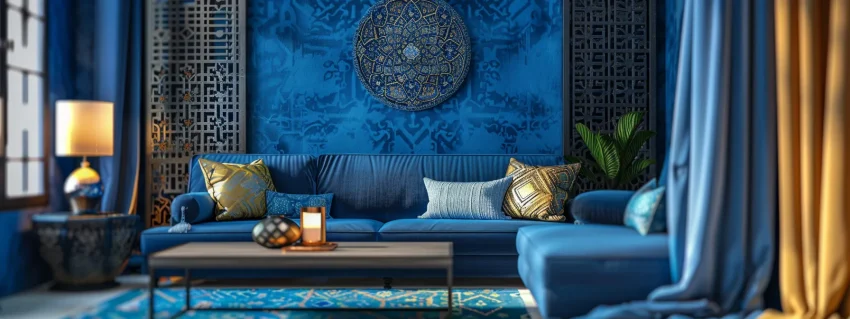
The integration of iconic blue Moroccan tile into interior spaces offers an unmatched level of sophistication. Interior designers often begin with a Iconic Blue Moroccan Tile to establish a focal point in a room. According to a recent survey, 75% of designers reported that these tiles significantly increase dwell time in the spaces they design. This boost in engagement is due to the tile’s rich color and intricate patterns that captivate and draw the eye. Furthermore, these tiles are a favorite in SketchUp renderings, allowing designers to visualize their impact before installation. The result is a space that not only looks stunning but also feels inviting and dynamic.
To maximize the impact of these tiles, designers must consider their placement carefully. Whether as a kitchen backsplash or a bathroom feature wall, the iconic blue Moroccan tile provides a cultural depth that enhances the overall aesthetic. The use of these tiles in high-traffic areas like entryways and living rooms can also contribute to a cohesive design narrative, tying together various elements of the entire home.
For those focused on sustainability, these tiles align well with LEED Certification objectives, emphasizing environmentally friendly design choices. The handcrafted nature of Moroccan tiles ensures a unique, artisanal touch that resonates well with eco-conscious homeowners. By prioritizing sustainable materials and processes, designers can create beautiful, timeless spaces that are also environmentally responsible.
Incorporating Moroccan Aesthetics for Timeless Elegance
Adopting Moroccan aesthetics in interior design is a pathway to timeless elegance. The incorporation of iconic blue Moroccan tile is not just about adding color but embedding a rich cultural history into modern spaces. Designers often use a Mood Board to plan the integration of these tiles, ensuring their patterns and hues complement existing FF&E (Furniture, Fixtures, and Equipment). By marrying these elements, the space transcends time, offering a sense of enduring beauty and style.
Moroccan tiles are renowned for their ability to harmonize with various design themes. A BIM Manager might use these tiles in digital models to test how their vibrant patterns interact with natural and artificial light throughout the day. This interplay of light and color can transform an ordinary room into a visually engaging space that changes with the time of day and season, adding depth and complexity to the design.
Furthermore, the historical significance and artisanal craftsmanship of Moroccan tiles add a layer of authenticity to any design. Their patterns often tell stories of cultural heritage, making them more than just decorative elements. This storytelling aspect resonates with homeowners seeking to imbue their spaces with character and history.
Transforming Spaces with Vibrant Moroccan Tile Patterns
Vibrant patterns of Moroccan tiles are a powerful tool for transforming spaces. A CAD Drafter can incorporate these designs into architectural plans, ensuring that the layout maximizes their aesthetic potential. For example, using these tiles in a kitchen can dramatically enhance the room’s visual interest, turning an otherwise utilitarian space into a culinary haven.
Moreover, the versatility of Moroccan tiles extends beyond aesthetics. Their resilience and easy maintenance make them practical for high-use areas. In bathrooms, these tiles can withstand moisture and frequent cleaning while maintaining their vibrant look. This dual benefit of beauty and durability is why many designers recommend them for both residential and commercial projects.
Incorporating these tiles into a space often involves a Materiality Assessment to ensure they suit the intended use and environment. For instance, their application in floor designs requires consideration of slip resistance and wear, ensuring that aesthetic choices do not compromise safety and usability. This careful planning ensures that the tiles not only enhance the space visually but also function effectively within it.
Creating Unique Interiors with Blue Moroccan Tile
Creating unique interiors with blue Moroccan tile involves more than simply laying tile; it requires a comprehensive design strategy. The tiles’ bold hues and intricate patterns can serve as a catalyst for innovative design solutions. Designers often start with a Color Theory Application, selecting complementary shades that enhance the tile’s natural vibrancy.
Site Plan Analysis is another critical step in the design process, ensuring that the tile installation meets zoning compliance and enhances the property’s overall design. The strategic placement of these tiles can delineate spaces within an open floor plan, creating distinct areas without the need for additional structural elements.
By using Moroccan tiles, designers can craft spaces that are not only visually stunning but also uniquely personal. This customization potential is invaluable for homeowners looking to express their individuality through their living spaces. As a result, each project becomes a reflection of the homeowner’s personality and style, achieved through thoughtful design and expert tile application.
Conclusion

Iconic blue Moroccan tile is a powerful design element that transforms interior spaces by adding color, pattern, and cultural depth. Their integration into interior design projects offers a unique blend of beauty and function, ensuring spaces are both visually captivating and practical. For those in the field of Interior Design and Home Improvement, these tiles provide a means to create personalized, timeless spaces that stand out in any setting.
References:Architectural Digest, Dezeen