
The style of a home is not defined solely by its architecture or interior design. The outdoor environment plays an equally important role in shaping first impressions and creating a cohesive appearance. Homeowners looking for professional landscaping and tree care solutions can explore what Design Tree Maintenance offers to enhance curb appeal, improve outdoor aesthetics, and create a more polished property appearance. When landscaping complements a home’s design, the entire property feels more intentional, inviting, and visually appealing.

Landscaping Creates the First Design Impression
Before visitors step inside a home, they experience the landscape. The condition of the lawn, the placement of trees, and the overall organization of outdoor spaces immediately communicate a sense of style and care. Even a well-designed house can appear neglected if the surrounding landscape lacks attention.
Thoughtful landscaping acts as a frame for the home itself. Just as a picture frame enhances artwork, properly maintained outdoor spaces highlight architectural features and draw attention to the property’s best characteristics. The result is a stronger visual impact from the street.
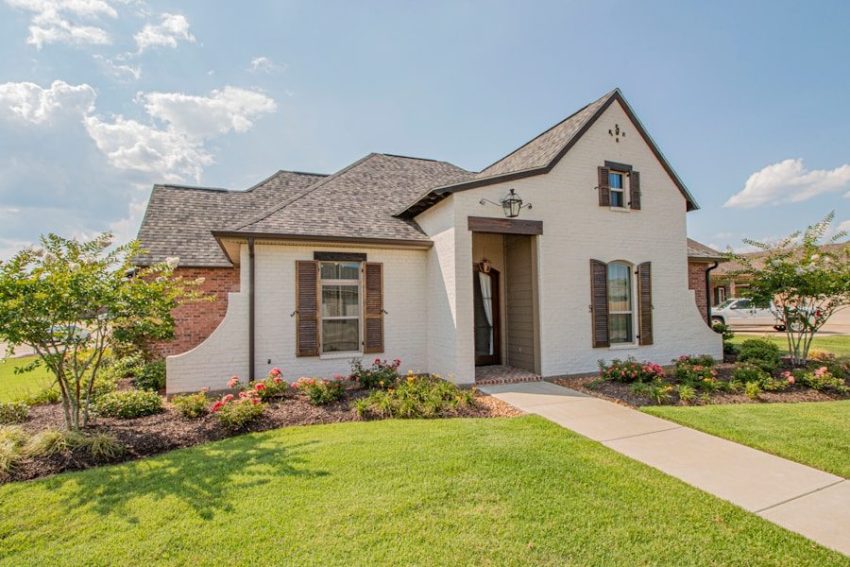
Trees Play a Major Role in Home Character
Trees are often among the most noticeable features on a property. Mature trees can provide a sense of elegance, history, and permanence that cannot be replicated with other landscaping elements. Their shape, size, and placement influence how a home is perceived.
A property with healthy, well-maintained trees often appears more established and welcoming. Trees can soften harsh architectural lines, create natural focal points, and add depth to outdoor spaces. Regular maintenance ensures they continue contributing positively to the overall design.
Landscape Design Supports Architectural Style
Different architectural styles benefit from different landscaping approaches. A modern home may look best with clean lines, structured plantings, and minimalist outdoor features. Traditional homes often pair well with layered gardens, mature trees, and more natural-looking landscapes.
When landscaping reflects the home’s architectural character, the entire property feels balanced. The transition between built structures and natural elements becomes seamless, helping create a unified appearance rather than a collection of unrelated features.
Outdoor Spaces Extend the Living Environment
Modern homeowners increasingly view outdoor areas as extensions of their indoor living spaces. Patios, gardens, walkways, and shaded seating areas contribute to how the property is used and enjoyed. Landscaping helps define these spaces while maintaining visual harmony.
A carefully planned landscape creates outdoor rooms that serve different purposes. Some areas encourage relaxation, while others support entertaining or family activities. These functional spaces enhance both the property’s appearance and its everyday usability.
Color and Texture Influence Visual Appeal
Landscaping introduces colors and textures that significantly affect the style of a home. Flowers, shrubs, ground covers, and trees create layers of visual interest throughout the year. Seasonal changes can add variety while maintaining consistency within the overall design.
Texture is equally important. Combining different plant shapes, leaf structures, and materials creates depth and contrast. A landscape with carefully selected textures often feels richer and more sophisticated than one that relies on a limited range of plants.
Maintenance Preserves Design Integrity
Even the most attractive landscape design requires ongoing care. Overgrown shrubs, unhealthy trees, and neglected lawns can quickly diminish the visual appeal of a property. Regular maintenance helps preserve the original design vision and keeps outdoor spaces looking their best.
Professional care ensures that plants remain healthy and properly shaped. Tree pruning, lawn management, and seasonal cleanups contribute to a polished appearance that supports the home’s overall style. Consistency is often the difference between a landscape that enhances a property and one that detracts from it.
Landscaping Contributes to Property Value
Homebuyers often form opinions about a property before entering the front door. Attractive landscaping can increase perceived value and create a stronger emotional connection with potential buyers. Properties with appealing outdoor spaces frequently stand out in competitive markets.
Beyond appearance, landscaping demonstrates that a homeowner has invested in the property over time. Healthy trees, maintained gardens, and organized outdoor areas suggest ongoing care and attention, qualities that many buyers find highly attractive when evaluating a home.
Conclusion
Outdoor landscaping has a powerful influence on the overall style of a home. From creating strong first impressions to supporting architectural design and enhancing outdoor living spaces, landscaping helps define how a property is experienced and appreciated. When homeowners invest in thoughtful design and consistent maintenance, they create a cohesive environment that improves both beauty and functionality, allowing the home and landscape to work together as a unified expression of style.