
A roof protects a home from rain, wind, and intense sunlight, but what happens underneath it can be just as important. When an attic lacks proper ventilation, heat and moisture can become trapped, creating conditions that may gradually affect the roof and the rest of the home.
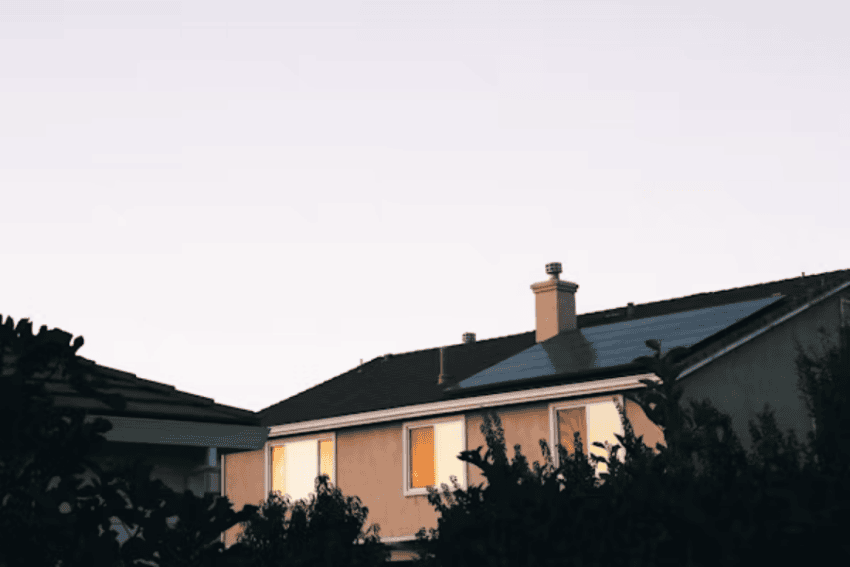
During hot weather, excessive attic heat can raise indoor temperatures and place additional strain on the cooling system. During colder periods, moisture can condense on cold surfaces, contributing to damp insulation, mold growth, and deterioration of wooden components.
Fortunately, proper roof ventilation can help address these problems by allowing hot, humid air to escape while bringing fresh outdoor air into the attic. When the ventilation system works properly with adequate insulation and air sealing, it can help maintain healthier attic conditions and protect important parts of the home.
Understanding how roof ventilation works and the problems it can help prevent can therefore help homeowners protect their roofs and maintain a more comfortable living environment. Read on!
1. Remove Trapped Heat
The attic can be warmer than other parts of the house during hot weather. However, due to inadequate ventilation, the hot air may remain trapped up there. Excessive heat can put extra pressure on the roof and make it wear out faster.
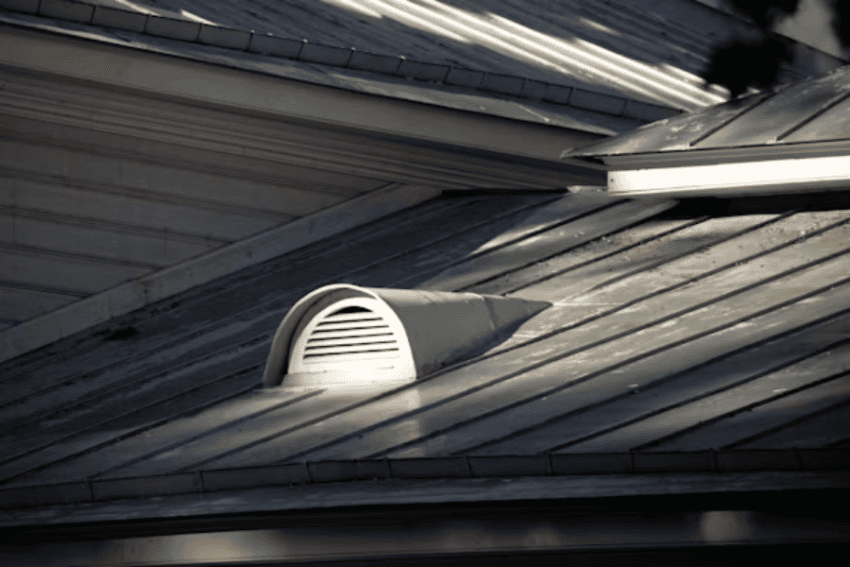
Ventilation serves as a channel for this hot air to flow. Since hot air tends to rise, roofing vents placed at the higher part of the roof can allow it to escape. On the other hand, there should also be an intake system that allows cooler outside air to enter the attic.
Thus, ventilation ensures good airflow rather than hot air remaining still. Consequently, it may regulate attic temperature and reduce the amount of hot air entering other parts of the house.
2. Control Moisture In The Attic
Heat is not the only concern in an attic. Moisture can also accumulate when warm indoor air comes into contact with colder surfaces. Everyday activities such as cooking, showering, and washing clothes can introduce moisture into the home. If that moisture reaches an inadequately ventilated attic, condensation can occur.
Over time, persistent moisture can contribute to problems involving insulation, wood components, and roofing materials. In colder climates, repeated condensation and freezing can make these concerns even more significant.
Proper ventilation helps move humid air out of the attic before it has much opportunity to condense. Bathroom exhaust systems should also be properly directed outside rather than allowing moist air to enter the attic. This is particularly important because bathrooms can introduce considerable amounts of warm, humid air into the home.
3. Extend the Life of Roofing Materials
As the roof is an investment for many years to come, protecting its materials should be a priority. Exposure to excessive heat and moisture could accelerate the aging of the roof materials. Therefore, poor ventilation in the attic could shorten the roof’s overall lifespan.
Ventilation will make the environment beneath the roof more balanced. This way, letting the heat and moisture escape will help eliminate the problems that cause unnecessary pressure on the roof materials.
Also, ventilation works along with all other roof materials. The shingles, underlayment, deck, insulation, and ventilation all serve different purposes. Thus, when all the components function properly, the roof will also work better.
However, ventilation won’t prevent all potential problems with the roof. Problems such as weather conditions, poor installation, old materials, and others are possible anyway. Still, ventilation will be helpful for the roof’s performance.
4. Prevent Damage to Insulation
Roof ventilation may prevent moisture-related insulation issues. If the air in the attic is humid, condensation will form around the insulation and other objects. In the long run, moisture will reduce the effectiveness of certain types of insulation and cause dampness.
Ventilation makes sure that the air in the attic is dry and well-ventilated. This is critical, as dry insulation is most effective when installed properly. Ventilation should be combined with air sealing and proper insulation, not used as an alternative to either.
5. Reduce the Risk of Mold and Wood Damage
High moisture levels in the attic will cause mold growth and the degradation of wooden parts. Decking, rafters, and other structural elements may be damaged by moisture when it is trapped for extended periods.
Ventilation helps remove moist air and properly dry out the attic. It will reduce the occurrence of moisture-related problems. Nonetheless, ventilation will not solve all moisture-related problems. Moisture may come from roof leaks, plumbing issues, poor bathroom exhaust, and other sources.
6. Support Energy Efficiency
Roof ventilation could also affect the comfort and efficiency of the home. During hot periods, attic overheating can cause more heat to enter the house’s rooms. This could put extra pressure on the house’s cooling system.
Proper roof ventilation can help release excess heat from the attic, which may reduce the amount of heat transferred into the living spaces below. As a result, the cooling system may not have to work as hard to maintain comfortable indoor temperatures during hot weather.
However, ventilation should not be considered a substitute for proper insulation or an effective heating and cooling system. Instead, these components work together to manage heat transfer throughout the home. When insulation and ventilation are properly balanced, they can help maintain more stable attic conditions and improve overall indoor comfort.
Help Prevent Ice Dams in Cold Weather
In colder climates, proper roof ventilation can help maintain a more consistent temperature across the roof surface. Without adequate ventilation, heat escaping from the living space can warm parts of the roof while other areas remain cold. This uneven temperature can cause snow to melt on warmer sections and refreeze near colder roof edges, potentially forming ice dams.
Ice dams can prevent melting snow from draining properly and may allow water to back up beneath roofing materials. By promoting airflow through the attic and helping manage excess heat, a properly designed ventilation system can reduce conditions that contribute to ice-dam formation. However, ventilation is only one part of preventing ice dams, and adequate insulation and air sealing are also important.
Conclusion
The roof might appear to be just a protective structure, but whatever happens beneath it is just as important as what goes on top. In the absence of a properly functioning ventilation system, heat and moisture can become trapped in the attic. Over time, such conditions would negatively impact roofing materials, insulation, and the comfort levels of the whole house.