
Cooking a whole turkey for a family gathering can feel like a big responsibility, but you can handle it confidently with the right approach. A well-cooked turkey delivers juicy meat, crisp skin, and rich flavor, without complicated techniques or guesswork.
This guide breaks down each step, from choosing the right bird to carving it properly. You’ll learn practical, reliable methods that help you prepare an oven-roasted whole turkey that turns out consistently well.
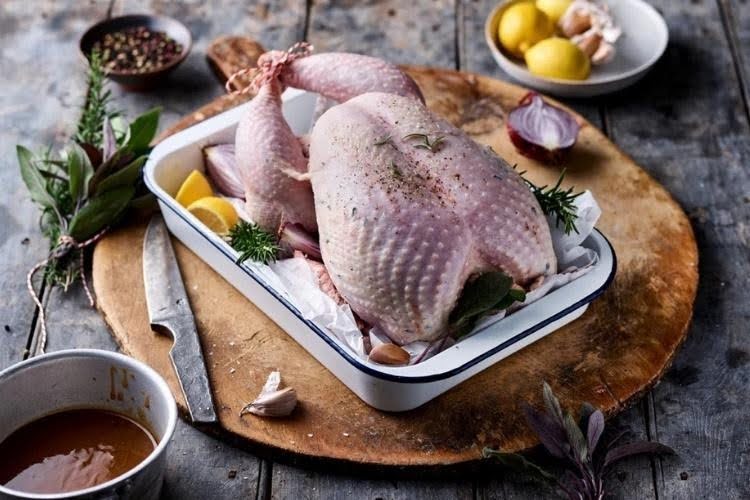
1. Choose the Right Turkey for Your Gathering
Start by selecting a turkey that fits your group size and cooking plan. As a rule, allow about 1 to 1.5 pounds per person. This gives you enough for generous servings and some leftovers.
Focus on quality when sourcing your turkey. The way farmers raise and handle the birds affects both texture and flavor. Many home cooks choose organic or free-range turkeys because these birds often develop better muscle structure, which can lead to firmer, more flavorful meat.
You can explore trusted suppliers like Organic Butchery when sourcing your turkey. Choosing a reliable source helps you start with a product that cooks evenly and retains moisture.
Next, decide between fresh and frozen. Fresh turkeys save time but require prompt cooking. Frozen turkeys cost less and store longer, but you must thaw them safely. Plan for slow thawing in the fridge, about 24 hours per 2-2.5 kg. Never thaw a turkey at room temperature, as this can lead to uneven defrosting and food safety issues.
2. Prepare Your Turkey for the Oven
Proper preparation sets the stage for even cooking and good flavor. Start by removing all packaging and checking both cavities for giblets. Set those aside if you plan to make gravy.
Pat the turkey dry with paper towels. Dry skin roasts better and turns crisp in the oven. Moisture on the surface creates steam, which softens the skin instead of crisping it.
Season the turkey thoroughly. Rub salt and pepper over the entire surface, including inside the cavity. Then spread softened butter or oil over the skin. For a deeper flavor, gently loosen the skin over the breast and apply butter directly onto the meat.
Add aromatics such as garlic, onion, lemon, or fresh herbs inside the cavity. These ingredients release subtle flavors as the turkey cooks.
If you plan to use stuffing, cook it separately for better results. Stuffing inside the turkey can slow down cooking and increase the risk of uneven temperatures.
Finally, let the turkey sit at room temperature for 30–60 minutes before roasting. This step helps the meat cook more evenly from edge to center.
3. Master Oven-Roasted Whole Turkey Techniques
Preheat your oven to 180°C (350°F). A steady temperature ensures even cooking throughout the bird.
Place the turkey breast-side up on a rack inside a roasting pan. The rack lifts the turkey so heat can circulate underneath. This prevents the bottom from becoming soggy.
Add vegetables like carrots, celery, and onions to the pan. These vegetables enhance flavor and create a base for gravy.
Calculate cooking time based on weight, about 20 minutes per kilogram. However, always rely on internal temperature for accuracy. Insert a meat thermometer into the thickest part of the thigh without touching the bone. The turkey is ready when it reaches 75°C (165°F).
Avoid opening the oven too often. Each time you open the door, you lower the temperature and extend cooking time.
If the skin browns too quickly, cover the turkey loosely with foil. Remove the foil during the final 30 minutes to allow the skin to crisp.
You can baste the turkey occasionally, but you don’t need to do it frequently. Excessive basting interrupts the cooking process. Instead, focus on maintaining consistent heat.
4. Manage Moisture and Flavor During Cooking
A common concern when roasting turkey is dryness. You can prevent this by managing moisture throughout the cooking process.
Start by using enough fat, either butter or oil, to coat the bird. Fat helps protect the meat and encourages browning.
You can also add a small amount of liquid, such as stock or water, to the bottom of the roasting pan. This prevents drippings from burning and supports later gravy preparation.
Avoid overcooking at all costs. Even a well-prepared turkey can dry out if it stays in the oven too long. This is why a thermometer removes guesswork and gives you a clear indicator of doneness.
Another effective technique involves roasting the turkey uncovered for most of the cooking time, then covering it briefly if needed. This balance helps you achieve both moist meat and crisp skin.
5. Let the Turkey Rest Before Serving
Once the turkey reaches the correct internal temperature, remove it from the oven and place it on a carving board. Do not skip the resting step.
Let the turkey rest for at least 30-45 minutes. During this time, the juices redistribute throughout the meat. If you carve too soon, the juices will run out, leaving the meat dry.
Cover the turkey loosely with foil while it rests. This keeps it warm without trapping too much steam, which can soften the skin.
Use this time efficiently. Prepare your side dishes or make gravy using the pan drippings. Skim excess fat from the drippings, then simmer them with stock and seasoning to create a rich sauce.
6. Carve and Serve with Confidence
Carve the turkey with a sharp knife and a steady approach. Start by removing the legs and thighs. Then separate the drumsticks from the thighs.
Next, slice the breast meat. Cut along one side of the breastbone and follow the natural contour of the rib cage. Once you remove the breast, slice it against the grain into even pieces.
Arrange the meat on a serving platter. Keep light and dark meat separate so guests can choose their preference.
Serve the turkey with classic sides like roasted vegetables, stuffing, or potatoes. The simple preparation of an oven-roasted whole turkey allows these sides to complement the main dish without overpowering it.
Conclusion
You can cook a whole turkey successfully by focusing on preparation, temperature control, and timing. Choose a high-quality bird, season it well, and cook it evenly. Use a thermometer to guide you, and always allow time for resting before carving.
These turkey cooking tips can help you avoid common mistakes and deliver consistent results. When you apply these steps, you create a meal that brings people together and leaves a lasting impression at any family gathering.