
Key Takeaways
- Georgia’s commercial construction industry is advancing through the adoption of innovative materials, digital technologies, and sustainable building practices.
- Design-build expertise helps streamline project delivery, improving efficiency, cost control, and overall project outcomes.
- Environmental stewardship is becoming a core priority, supporting long-term economic and community benefits.
- The state’s construction sector demonstrates that sustainable growth can be both practical and profitable for developers, contractors, and stakeholders alike.
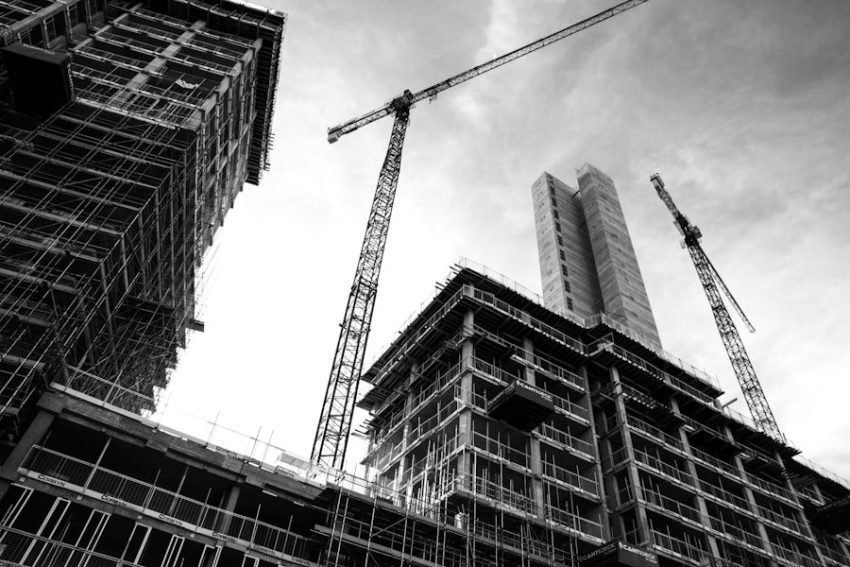
Georgia’s commercial construction sector is evolving through innovative methods and a strong focus on sustainability. Leading firms and public-private partnerships are enhancing infrastructure and economic activity while meeting environmental goals. For success, property owners and local governments are encouraged to seek expert support, exemplified by Baldpates General Contracting, known for sustainable construction, energy-efficient systems, and effective project management in Walton County and surrounding areas. Their design build Walton County GA service streamlines projects from conception through completion and is highly valued by businesses aiming for best-in-class builds and renovations.
Embracing Mass Timber Construction
Georgia is embracing mass timber construction, exemplified by projects such as the 619 Ponce development, which uses locally sourced Southern Yellow Pine. This method offers benefits such as expedited project timelines through factory-manufactured timber elements, environmental performance by locking away carbon, and distinctive aesthetics with warm, inviting timber surfaces. The trend is inspiring similar initiatives across the Southeast and is being adopted by universities for new buildings, thereby promoting sustainable wood markets and enhancing climate resilience.
Integrating Renewable Energy Solutions
The growing use of renewable energy in commercial buildings is a key trend. Kia’s West Point assembly plant features a solar canopy that protects vehicles and generates about 10 MW of solar power, showing infrastructure can align with sustainability. Many Georgia municipalities now require or encourage solar-ready construction for new commercial projects, with incentives making investments in photovoltaics, wind, and batteries more attractive. As utility prices fluctuate, renewable investments support environmental goals and offer long-term economic benefits for owners and developers. Additionally, microgrid systems are being explored for business and industrial sites to improve resilience and support future growth.
Developing Mixed-Use Spaces
Demand for live-work-play environments drives a surge in mixed-use developments like Averly Richmond Hill near Savannah, with 291 units and retail spaces in a $60 million project. These foster vibrant communities, boost convenience, and attract diverse businesses and residents. Cities like Atlanta and Augusta focus on walkability, public plazas, transit, blending historic and modern features while maintaining character. Projects add public art, green spaces, and tech amenities to enhance connectivity and quality of life, supported by private and municipal efforts to attract workers and entrepreneurs in lively, collaborative environments.
Advancements in Transportation Infrastructure
Georgia’s economy relies on robust transportation systems. The $10.5 billion Georgia Express Lanes project is a prime example of innovative infrastructure, introducing dynamically priced, barrier-separated express lanes to 16 miles of SR 400. Public-private collaboration plays a key role here, easing congestion and increasing access to commercial zones, which, in turn, supports new investments and ongoing business operations.
These ambitious upgrades are part of a long-term strategy to strengthen logistical corridors for freight, commuters, and visitors alike. Enhanced highway and rail connectivity is already reducing transit times, while advanced construction materials and digital traffic monitoring are promoting cost-effective maintenance and enabling real-time responses to changing demand. These efforts are central to maintaining Georgia’s competitive advantage as a national hub for supply chain management and commercial growth, strengthening links between rural producers, metropolitan hubs, and global markets.
Automating Construction Schedules with AI
Artificial Intelligence is carving out a transformative role in commercial construction project management. Through tools like the CONSTRUCTA framework, which combines advanced language models with domain expertise, contractors can generate highly efficient schedules for even the most complex builds. These AI-driven solutions reduce bottlenecks, improve phase coordination, and enable developers and builders to anticipate challenges well in advance.
AI-powered analytics now extend into cost forecasting, supply chain logistics, and safety monitoring, contributing to lower risk, greater compliance, and more predictable project outcomes. Georgia contractors are increasingly training teams to leverage these tools, leading to data-driven decision-making that aligns resource allocation with strategic objectives. In addition, digital twin modeling enables virtual walkthroughs for clients, streamlines quality control, and enhances stakeholder engagement throughout the construction lifecycle.
Fostering Sustainable Development
Sustainable construction is an overarching priority for today’s industry leaders. Projects like 619 Ponce not only showcase innovative mass timber use but also support energy-efficient operation and minimal environmental degradation. This movement ensures long-term benefits for both business owners and their surrounding communities, and helps align local developments with global climate goals.
Organizations are tracking and publishing their own sustainability metrics, reporting on embodied carbon, water use, and waste generation in line with LEED, WELL, and other widely recognized green building standards. Both new builds and major renovations are being retrofitted for higher performance, think LED lighting, smart HVAC, and rainwater capture, delivering operational savings for decades to come. Forward-thinking developers in Georgia are also collaborating with environmental groups and local schools to maximize green space and protect biodiversity during the planning process, further cementing their commitment to community wellbeing.
Enhancing Commercial Vitality through Infrastructure
Research into transit projects, such as the Florentine tramway, demonstrates how infrastructure upgrades can significantly enhance commercial performance in their immediate area. In Georgia, ongoing investments in roads, transit options, and transportation corridors are expected to generate similar uplift—prompting higher customer traffic, improving employee commutes, and encouraging new businesses to set up shop.
Empirical evidence supports that such infrastructure investments not only stimulate immediate economic activity but also create lasting increases in property values and commercial occupancy rates. As Georgia continues to grow, coordinated infrastructure planning, combined with input from local business leaders, residents, and planners, will be essential to ensuring that all communities benefit from new opportunities, improved mobility, and enhanced live-work environments.
Conclusion
Georgia’s commercial construction sector is defining the future by adopting advanced materials, leveraging digital innovations, and prioritizing environmental stewardship. As firms like Baldpates General Contracting lead the charge with deep expertise in design-build delivery, the state is proving that strong, sustainable, and efficient growth is not just possible, but practical and profitable for all stakeholders.