
A family move rarely falls apart in the glamorous places. It breaks in the hallway, at the garage door, and in the pile of boxes nobody labeled because the phone was ringing, dinner was burning, and the lease date was not waiting around.
That is where storage planning becomes less of a convenience and more of an operational decision. When families are juggling home organization, moving logistics, and seasonal decluttering at the same time, the real question is not whether to store things. It is what to move, what to set aside temporarily, and what would cause trouble if it sat in a spare room for three more months.
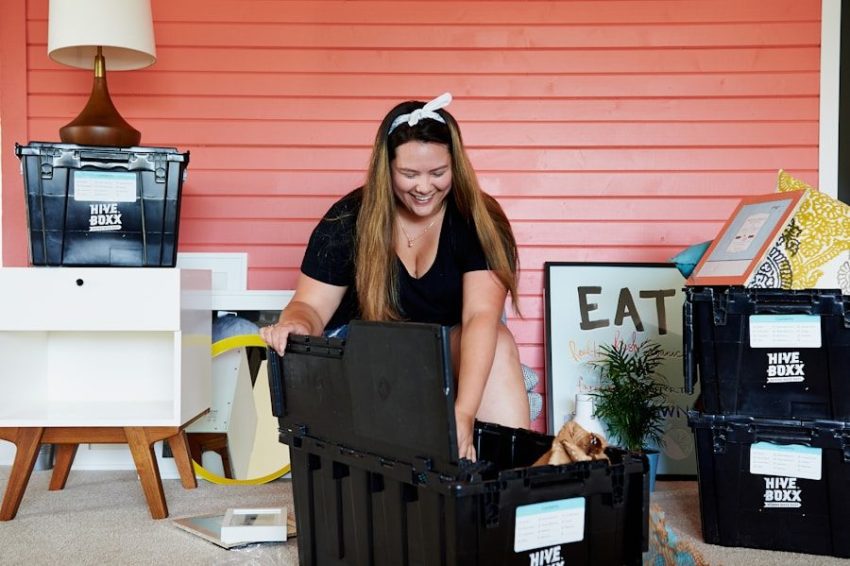
The homes that stay calmer during a move usually have one thing in common: someone made the hard calls early. They did not try to keep every toy, lamp, coat, and holiday bin inside the house while also moving furniture and normal family life through the same front door.
That early sorting does more than clear floors. It lowers the pressure on every other task, from loading boxes to finding the coffee maker on day one. A move feels smaller when the house is no longer asking everyone to live around clutter that has not been decided on yet.
The Weak Spots Are Usually Not Obvious
Most moving stress comes from weak decisions, not bad luck. A crowded garage, a half-packed closet, and a too-small timeline can turn everyday tasks into a daily mess. The first problem is often visibility: if you cannot tell what is staying, what is leaving, and what needs temporary storage, everything gets handled twice. This is usually where buyers start looking at Indianapolis storage rentals more carefully in real-world conditions.
That second handling is expensive in time and patience. It also creates the kind of damage people forget to mention until later: scratched furniture, warped keepsakes, missing parts, and holiday bins that show up with no lids because they were stacked in a panic.
There is also a family cost. Children notice when the house feels unstable. Adults notice when the chore list gets longer every night. A move that is supposed to create order can quietly produce months of friction if the storage plan is too loose or if seasonal items keep competing with everyday essentials.
This is why storage decisions matter before the truck arrives. The right plan protects the flow of the home during a transition, not just the objects in it. When bulky items, infrequently used décor, and overflow gear are handled early, the rooms that remain feel more livable and far less temporary.
A Storage Plan That Survives Real Life
A workable plan does not need to be fancy. It needs to match the pace of your move and the way your household actually functions. The goal is to reduce pileups, not create another project that lives in a spreadsheet nobody opens.
Start by thinking through access. Items needed in the next two weeks should not be buried behind winter coats, patio cushions, or boxes of photo albums. The closer a household is to moving day, the more important it becomes to keep daily-use items separate from long-term overflow.
It also helps to think in terms of protection. Some belongings can sit in a standard packed box for a short time, but others need more care because of temperature changes, weight, or fragility. Furniture with fabric, electronics, family documents, and sentimental items usually deserve better packaging than a quick tape-and-stack approach.
The same logic applies to seasonal decluttering. A holiday bin does not need to live in your main closet year-round, and summer sports gear does not need to block the pantry every month of the year. When families give each category a more realistic home, they create breathing room without making the house feel stripped down.
- Walk through the house room by room and sort every item into three groups: use now, move soon, store temporarily. Do not start with sentimental items. Start with the things that affect daily function, like kitchen tools, bedding, and school supplies.
- Pack by destination, not by category alone. If a box is going into storage, mark it clearly and list the contents on two sides. If it is going straight into the new home, keep it separate so you are not reopening the same box three times.
- Reserve storage for the items that are valuable, bulky, seasonal, or simply not needed during the transition. That may include patio sets, holiday decorations, extra furniture, and inherited pieces that you are not ready to place yet. The trade-off is simple: you give up easy access now so the house can work better while everything else is in motion.
Think About Access Before Packing:
A box that is impossible to reach is not very helpful, even if it is neatly labeled. Families often pack by room and forget to pack by timing, which is how everyday items end up trapped behind seasonal clutter. Build the plan around what you will actually need first, not what is easiest to toss into a bin today.
Choose Protection That Matches the Item:
Not everything can handle the same storage conditions. Wood furniture, upholstered pieces, and electronics all respond differently to heat, dust, and long periods without use. Good packing materials and a clean, dry place to keep items go a long way toward preventing avoidable damage.
Do Not Turn Temporary Storage Into Permanent Disorganization:
The most common mistake is treating storage as a place where decisions disappear. If you send items out of the house without labeling, grouping, or reviewing them later, you have only postponed the clutter. A temporary plan should make the next step easier, not harder to recover from.
Order Is a Temporary Advantage, Not a Personality Trait
The families who manage moves well are not always the most organized in the abstract. They are usually the ones who understand timing. They know that a house in transition cannot hold every object with equal priority. Some things need to be near the front door, some things need to wait, and some things need to be out of the way entirely.
That judgment matters more than perfection. A move is full of small, physical decisions: whether to keep the crib assembled, whether to store the guest mattress, whether the holiday lights belong in the attic or off-site until the season changes. Those decisions shape how usable the home feels every day. And if the answer is wrong, you feel it in the knees, the back, and the tone of the whole household.
It also helps to build in one simple rule: if an item has not been used, worn, or displayed in a full season, it should be reviewed before it gets packed into the next stage of the move. That keeps the process honest and prevents the new home from inheriting the same congestion you are trying to leave behind.
A Better Move Leaves Fewer Loose Ends
Home organization during a move is not about making the house look neat for a weekend. It is about preventing the ordinary breakdowns that happen when clutter, deadlines, and family routines all collide.
Seasonal decluttering helps, but only when it is tied to a real plan for where things live while they are not in use. The best storage choice is the one that keeps your house usable, protects what matters, and stops small problems from turning into a longer mess.
There is also a psychological benefit that families often underestimate. When the house has fewer unused objects competing for attention, it becomes easier to settle children, keep cleaning routines consistent, and make practical decisions about what comes next. That steadiness matters during a move because so much else already feels uncertain.
A thoughtful storage plan can also reduce post-move regret. Instead of unpacking items you never really wanted back in the first place, you get a cleaner chance to reassess. That is especially helpful for inherited furniture, seasonal décor, and duplicate household goods that seemed important when the house was full but feel unnecessary once space is limited.
A Better Move Leaves Fewer Loose Ends
Home organization during a move is not about making the house look neat for a weekend. It is about preventing the ordinary breakdowns that happen when clutter, deadlines, and family routines all collide.
Seasonal decluttering helps, but only when it is tied to a real plan for where things live while they are not in use. The best storage choice is the one that keeps your house usable, protects what matters, and stops small problems from turning into a longer mess.