
If your dog graduated from training school and still pulls on the leash, nothing is wrong with your dog, and the class probably wasn’t a waste either. Skills fade without daily practice, and most dogs walk home from graduation wearing the same gear that made pulling easy in the first place. The fix is a front-clip no-pull harness combined with short daily practice walks.
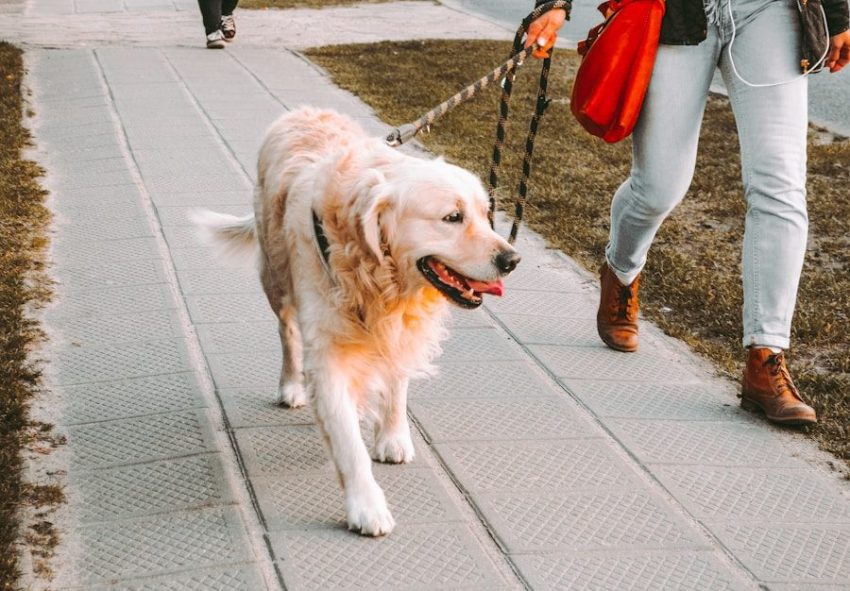
Frustrating, though, isn’t it? You paid for the classes, your dog was a star in the training room, and two months later you’re getting towed down the street like nothing happened. It’s common enough that trainers have a name for it: the skills didn’t generalize. Let me unpack what that means and what to do about it this week.
Why Do Dogs Still Pull After Dog School?
A few things are working against you at once.
The classroom was easy mode. A controlled room, a trainer managing the distractions, everyone focused. Your street has squirrels, other dogs, and half a sandwich under a bush. Dogs don’t automatically transfer skills to harder environments. The skill has to be rebuilt where it’s actually needed, on your sidewalk.
Practice ended at graduation. Leash manners are perishable. The weekly class forced repetition, and when it stopped, most of us quietly stopped drilling too. Meanwhile the pulling habit is older than the training, so it wins by default.
And the gear still pays out. This is the part school often skips. On a collar or a standard back-clip harness, every pull physically works, it moves the dog toward the smell. Which means your dog rehearses pulling on every walk, undoing the class in real time.
Does the Harness Really Matter That Much?
It decides whether pulling keeps getting rewarded between your training sessions, so yes.
| Gear | What happens when the dog pulls | Effect on training |
|---|---|---|
| Flat collar | Dog chokes but keeps moving forward | Pulling still works; throat strain |
| Back-clip harness | Full shoulder strength, moves forward | Actively rehearses pulling |
| Front-clip no-pull harness | Leash gently turns the dog sideways | Pulling stops paying off |
A front-clip harness puts the leash ring on the chest. When the dog surges, the tension swings them back toward you instead of letting them lean in with everything they have. Nothing about it hurts. Pulling just stops producing results, which happens to be the exact lesson the class was teaching.
Fit separates a good harness from a frustrating one. Look for wide straps that won’t chafe behind the front legs, adjustment points at both chest and belly, and a front ring that keeps the harness from rotating around the body. No-pull harnesses from Le Noof are built around those details; whatever brand you land on, check for the same three things and make sure two flat fingers fit under every strap.
What Should Practice Look Like Now?
Ten minutes a day. That beats an hour on Sunday by a mile, and the routine itself is simple to describe and annoying to stick to.
When the leash goes tight, you stop. Plant your feet, say nothing, wait. Walk again the moment it slackens. You will feel ridiculous standing on the sidewalk. Do it anyway.
When the leash stays loose, pay up. Treats live in your pocket now. Dog at your side, loose leash, mark it and reward. You’re making the spot next to your leg the most profitable real estate on the walk.
And let sniffing be the jackpot. Sniffing is the reason your dog wanted the walk. Ten steps of loose leash earns a “go sniff” at the next bush. A walk with zero sniffing frustrates a dog into pulling harder.
Start each practice walk with thirty seconds of easy wins, too. A few steps in the driveway, mark, reward, before the interesting smells begin. Dogs, like people, do better walking into a test they’ve already passed once that morning.
Two to three weeks of this and most dogs find their classroom manners again, this time where it counts. One warning: everyone in the house follows the same rules. A single family member who lets the dog drag them to the park will cheerfully undo everyone else’s week.
When Is It More Than a Practice Problem?
Lunging or fixating on other dogs and people is reactivity. Different problem, different toolbox, and worth a session with a certified trainer rather than more solo drilling. The same goes if you have a giant breed that can physically move you: get the technique coached in person once, then practice on your own.
Everyone else? Hold off on re-enrolling. Change the gear, run the ten-minute routine, give it three weeks. School taught your dog what to do. The harness and the daily reps are what make it stick.