
Most homeowners assume that bigger renovations equal bigger returns, but the data consistently tells a different story. According to the Cost vs. Value Report by Zonda, the projects that recoup the most at resale tend to be practical, exterior-focused, and mid-range in scope rather than high-end luxury upgrades.
Garage door replacement, manufactured stone veneer, fiber-cement siding, and entry door replacement regularly rank among the highest-performing projects by resale value recouped. A minor kitchen remodel also holds strong, often outperforming a full gut renovation simply because it costs far less while still appealing to buyers.
It is worth distinguishing ROI from resale value, though. A project can increase a home’s appeal without recouping its full cost, and recoup rates shift depending on the local market. What works in one region may underperform in another.
The pattern that emerges across strong performers is consistent: projects that combine durability, curb appeal, and cost control tend to age well financially. That framing runs throughout the improvements covered ahead.
The Best Payback Projects at a Glance
The highest-returning projects share a common thread: they are visible, practical, and proportionate in cost. Based on the Cost vs. Value Report, the following upgrades consistently lead on resale recoup rates:
- Garage door replacement: Frequently the top-ranked project nationally by percentage recouped
- Manufactured stone veneer: High visual impact at a relatively contained cost
- Fiber-cement siding: Durable, low-maintenance, and broadly appealing to buyers
- Entry door replacement: A modest investment with strong first-impression returns
- Minor kitchen remodel: Outperforms full renovations by keeping costs proportional to buyer expectations
ROI and resale value are related but not identical. A project can lift appeal and reduce buyer friction without fully recouping its cost at closing, and recoup rates vary meaningfully by market. The strongest long-term moves tend to combine resale appeal, durability, and cost control rather than prioritizing any single factor.
Why Curb Appeal Keeps Winning on ROI
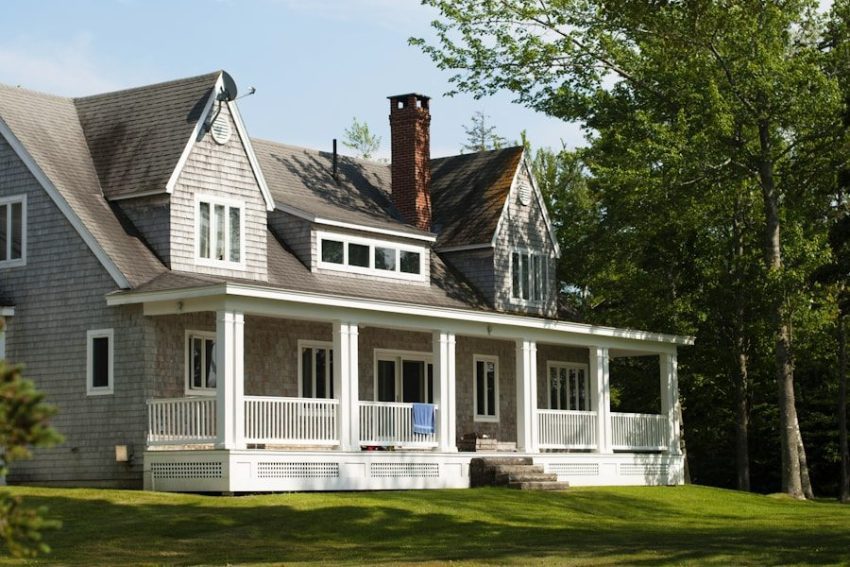
Exterior upgrades have consistently outperformed interior renovations in resale recoup rates, and the reason goes beyond aesthetics. Buyers form opinions before they ever step inside, and those first impressions are difficult to reverse once set. Understanding why this happens helps homeowners make smarter choices than simply copying a top-ten list.
Projects Buyers Notice Before They Walk In
Garage door replacement and entry door replacement score well precisely because they are visible, contained projects with predictable costs. Manufactured stone veneer and fiber-cement siding work by the same logic: they signal that a home has been maintained, which reduces perceived risk for buyers who are already cautious about what might be hiding behind the walls.
A deck addition and roof replacement follow a slightly different pattern. Both serve functional purposes that buyers scrutinize during inspection, meaning they reduce friction rather than simply adding aesthetic appeal. Removing a buyer’s objection is often as valuable as adding a feature.
Where a Modest Interior Refresh Still Pays
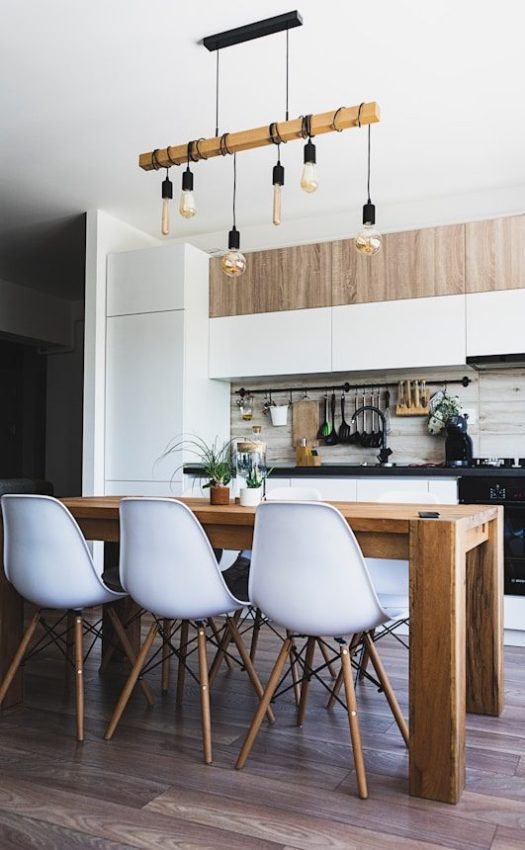
Interior projects follow a different payoff structure, and the distinction matters. A mid-range kitchen remodel, meaning updated appliances, cabinet refacing, or modest countertop work, regularly outperforms a full luxury overhaul because the cost stays proportional to what buyers are willing to pay in that category.
The same logic applies to a bathroom remodel. Functional updates like replacing fixtures, re-grouting tile, or improving lighting tend to hold value better than high-end finishes that buyers may not prioritize equally. For a closer look at how kitchen and bathroom upgrades that boost property value compare in practice, the specifics vary more than most homeowners expect.
Hardwood flooring and interior paint sit in a supporting role. On their own, they rarely justify significant investment purely on ROI grounds, but when paired with broader maintenance improvements and clean presentation, they lift perceived value in ways that photographs and walkthroughs make obvious.
Financial Moves That Protect Your Payoff
Choosing the right project is only half the equation. How a homeowner funds and budgets that project can quietly determine whether the renovation actually pays off over time or simply costs money. Getting the financial side right matters just as much as picking the right upgrade.
Set a Budget Before Choosing Projects
Before exploring financing options, homeowners benefit from establishing a spending ceiling first. A commonly cited guideline is the 30% rule: limiting major renovation spending to no more than 30% of the home’s current market value helps prevent over-improving relative to what the neighborhood will support at resale.
From there, the decision framework becomes more specific. Expected resale value, projected energy savings, and how long the homeowner plans to stay in the property all shape whether a project genuinely pays off or simply costs money. A kitchen remodel that adds $20,000 in value looks very different for someone selling in two years versus someone staying for fifteen. Resources on finding money for home projects can help clarify realistic spending ranges before any commitments are made.
Match the Funding Method to the Project
Once a budget is set, the financing method should reflect the project’s size, urgency, and expected ROI. Three routes cover most situations:
- Cash suits smaller projects where the homeowner wants to avoid interest entirely and has liquidity to spare
- A home equity loan works well for large, one-time projects with a defined cost, since the fixed rate and lump-sum structure match predictable expenses like a full bathroom remodel
- A HELOC fits phased work where costs arrive in stages, since funds can be drawn as needed
Interest costs and repayment timelines can quietly erode returns that look strong on paper, so the financing choice carries real weight. It is also worth noting that capital allocated to home upgrades is capital not directed elsewhere. Diversified assets, for instance, offer an accessible way to start building wealth outside of real estate, which matters when a homeowner is weighing long-term financial priorities against the next renovation.
Energy Upgrades That Earn Back Value Slowly
Not every improvement pays back at the point of sale. Some of the most financially sound upgrades return value gradually, through lower utility bills, reduced maintenance strain, and stronger buyer confidence when it counts.
Energy efficiency falls into this category. An HVAC system replacement, for example, rarely produces a dramatic jump in appraised value, but it changes how buyers evaluate risk. A home with an aging system invites negotiation; one with a recently replaced unit removes that friction entirely.
The same holds for insulation improvements, air sealing, and smart thermostat updates. These projects are largely invisible, yet qualified HVAC experts consistently point to them as among the highest-impact changes for long-term household savings and system longevity. Getting sizing and installation right is a meaningful part of what makes these upgrades perform as expected.
The distinction between immediate resale value and cumulative household ROI matters here. A project does not need to recoup its full cost at closing to be financially worthwhile. For homeowners planning to stay five to ten years, monthly energy savings compound in ways that resale-focused metrics do not capture.
Where energy upgrades gain resale traction is when they are paired with more visible improvements. Buyers who see a newer roof replacement and fiber-cement siding alongside updated mechanical systems read the combination as a well-maintained home, not just a cosmetically refreshed one. That pairing reduces perceived risk, which is often more persuasive than any individual upgrade on its own.
Upgrades That Often Cost More Than They Return
Not all popular renovation projects translate into strong financial returns, and some of the most appealing upgrades on paper are among the weakest performers when measured against actual resale value recouped.
Upscale kitchen remodels are a common example. A full high-end overhaul with custom cabinetry, premium appliances, and luxury finishes can easily exceed $80,000, yet buyers rarely pay a proportional premium for it. A mid-range kitchen remodel consistently outperforms on ROI precisely because its costs stay within reach of what buyers are realistically willing to absorb into their offer price.
Swimming pools follow the same pattern. Installation costs are significant, ongoing maintenance is a buyer concern in many markets, and the feature simply does not appeal universally. Elaborate landscaping faces similar limitations: highly personalized outdoor spaces can actively narrow buyer interest rather than broaden it.
A bathroom remodel runs into the same ceiling when finishes move far above neighborhood norms. Prestige upgrades raise costs faster than they raise perceived value.
None of this means these projects are unwise. For homeowners who plan to stay long-term and value the lifestyle improvement, the investment can be entirely justified. The important distinction is that curb appeal and practical updates should not be replaced by personalized luxury when resale is the primary goal.
Low-Cost Updates with Outsized Impact
Not every meaningful update requires a significant budget. For homeowners whose properties are already structurally sound and well maintained, a targeted set of low-cost improvements can meaningfully lift presentation without stretching finances. These options also complement the mid-range upgrades discussed earlier, particularly when funds are limited.
- Interior paint: Fresh, neutral color choices update a space quickly and photograph well, which matters in competitive markets
- Curb appeal cleanup: Landscaping tidying, updated exterior lighting, and hardware swaps on doors and cabinets cost relatively little but sharpen first impressions considerably
- Selective flooring refreshes: Where hardwood flooring is already present, refinishing can restore appeal without the cost of full replacement
- Small bathroom fixes: Re-grouting tile or replacing dated fixtures delivers noticeable results at a modest price
- Smart home additions: Programmable thermostats and similar updates round out the practical options when they support functionality rather than style alone
What Should You Improve First If Budget Is Tight?
When funds are limited, the priority should follow a clear sequence: address safety concerns first, then visible wear, then projects with broad buyer appeal.
Roof replacement, entry door replacement, and basic curb appeal improvements all check multiple boxes. They reduce buyer objections, signal consistent maintenance, and tend to offer stronger ROI than discretionary upgrades. Repairs and modest refreshes consistently outperform major remodels on a tight budget. A mid-range bathroom remodel or a fresh coat of exterior paint will stretch limited dollars further than a full kitchen overhaul.
Do Energy-Efficient Upgrades Increase Home Value?
Energy efficiency upgrades tend to improve a home’s appeal through lower running costs and greater day-to-day comfort, even when they do not produce a single clear recoup figure at closing.
An updated HVAC system, for example, signals to buyers that major mechanical work is not immediately ahead, which reduces negotiating friction. That kind of assurance carries weight even when it does not show up directly in the appraised value. The more accurate way to measure returns here is to combine resale value gained with cumulative savings over the ownership period. That combined picture is often stronger than either number looks on its own.
Choose Projects That Solve Real Problems First
The projects that deliver the strongest long-term payoffs tend to share a consistent profile: they address practical needs, appeal to a broad range of buyers, and stay within cost ranges that the local market can actually support at resale.
Curb appeal improvements, energy efficiency upgrades, and mid-range interior refreshes hit that profile more reliably than prestige renovations. They hold ROI reasonably well, reduce buyer friction, and remain useful throughout the ownership period rather than only at the point of sale.
The clearest lens for prioritizing is not a ranked list but a straightforward question: does this project improve resale value, reduce ongoing costs, or genuinely improve daily living within a disciplined budget? Projects that satisfy at least two of those three criteria are almost always the right place to start.