
Key Takeaways
- Upgrading to water-efficient fixtures can lead to substantial water and cost savings.
- Regular maintenance and leak detection are crucial in preventing unnecessary water waste.
- Simple behavioral changes can complement plumbing improvements for optimal conservation.
Water conservation is not just an environmental concern; it’s also a practical way to reduce household expenses. By implementing a few strategic plumbing upgrades and maintenance routines, homeowners can significantly decrease water waste and lower their utility bills. For residents seeking professional assistance, NWA C&S Plumbing, a trusted provider of plumbing Springdale AR, offers comprehensive services to enhance your home’s water efficiency.
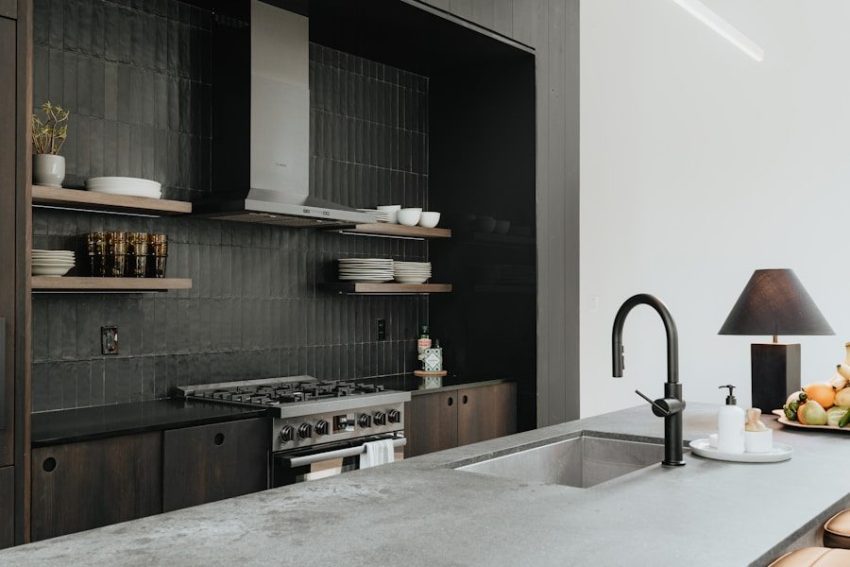
Upgrade to Water-Efficient Fixtures
One of the most effective ways to reduce water waste is to replace outdated plumbing fixtures with water-efficient models. For instance, older toilets can use up to 6 gallons per flush, whereas modern WaterSense-labeled toilets use 1.28 gallons or less, reducing water use by 20% per toilet. Similarly, standard showerheads use about 2.5 gallons per minute, while WaterSense showerheads use no more than 2 gallons per minute, resulting in significant savings over time.
Water-efficient plumbing fixtures go beyond just toilets and showerheads. Consider upgrading your kitchen and bathroom faucets to WaterSense models, which are designed to reduce water flow without compromising performance. Newer washing machines and dishwashers also use significantly less water than older models, which can translate to savings on both water and energy bills. By investing in ENERGY STAR-rated appliances, homeowners can further ensure maximum efficiency in water and energy consumption. Additionally, smart leak detection devices can be installed on main water lines to shut off water if a significant leak is detected automatically, further preventing waste and water damage.
Regularly Check for Leaks
Undetected leaks can waste thousands of gallons of water annually. Common culprits include worn toilet flappers, dripping faucets, and leaking showerheads. Household leaks can account for nearly 10,000 gallons of water wasted every year, which could add as much as 10% to your water bill. Regular inspections and prompt repairs are essential in preventing such waste.
To check for leaks, monitor your water meter when no water is being used; the meter should not move. Even a small, slow drip from a faucet can add up to hundreds of gallons wasted over the course of a year. Outdoor irrigation systems should also be inspected regularly, as broken sprinkler heads and underground pipe leaks can go unnoticed but cause extensive water loss. By proactively checking, homeowners will catch problems before they escalate, minimizing both water waste and costly repairs.
Install Faucet Aerators
Faucet aerators are inexpensive devices that mix air into the water stream, maintaining pressure while reducing flow. Installing aerators can cut household consumption by 10 to 20 gallons per day, and they cost just a few dollars each.
Beyond standard sink faucets, consider installing aerators in laundry sinks and utility rooms as well. Modern aerators are available with a variety of flow rates, allowing you to tailor water use to the specific task. For example, ultra-low-flow aerators work well for hand washing, while slightly higher flows might be appropriate for filling pots. Many new aerators feature easy-clean designs to prevent mineral buildup and maintain perfect functionality over time, making them a low-effort, high-impact upgrade for any home.
Adopt Water-Saving Habits
Behavioral changes can complement plumbing upgrades. Simple actions like turning off the tap while brushing teeth, taking shorter showers, and running dishwashers and washing machines only when full can lead to significant water savings. For example, shortening your shower by just two minutes can save about 4 to 6 gallons of water.
Many other easy behavioral adjustments add up over time. For instance, instead of rinsing fruits and vegetables under a running tap, fill a bowl with water for washing. Use leftover water from rinsing produce to water houseplants or the garden. Collecting cold water from the shower while it heats up is another simple way to use water that would otherwise flow directly down the drain. Educate everyone in the household about these habits for an even greater cumulative effect.
Consider Professional Plumbing Services
For comprehensive assessments and complex installations, consulting professional plumbers is advisable. In Springdale, AR, NWA C&S Plumbing offers expert services in leak detection, fixture upgrades, and system maintenance. Their team ensures that your plumbing system operates efficiently, helping you conserve water and reduce costs.
Professional plumbers can also conduct water audits to identify hidden inefficiencies or older, high-use fixtures that could be replaced in your home. Advanced diagnostic tools, such as thermal imaging and acoustic leak detectors, can reveal hidden leaks behind walls or beneath floors, saving both water and money in the long run. Additionally, experienced plumbers can recommend custom solutions based on individual usage patterns, family size, and the unique characteristics of your plumbing system.
Monitor Your Water Usage
Keeping an eye on your water bill can help identify unusual spikes that may indicate leaks or inefficiencies. Some utilities offer real-time metering, allowing homeowners to track usage patterns and address issues promptly. Regular monitoring empowers you to make informed decisions about water use and conservation strategies.
Besides monitoring your bills, engaging with smart home technology offers new ways to manage and conserve water. Many modern smart meters integrate with smartphone apps, providing instant alerts if water use jumps unexpectedly. This feature is especially valuable for homes that are left vacant for part of the year, as leaks can be detected and addressed even when you’re away. Setting monthly water-use goals and tracking progress can be both rewarding and motivating for the whole family.
Utilize Outdoor Water-Saving Strategies
Don’t forget that significant water use occurs outdoors. Installing drought-resistant landscaping, also called xeriscaping, can drastically reduce the need for irrigation. Drip irrigation systems deliver water directly to plant roots and are far more efficient than traditional sprinklers. Watering plants in the early morning or late evening minimizes evaporation. Additionally, using rain barrels to collect water from gutters gives you a free resource for watering gardens or lawns, further reducing demand on municipal water supplies.
Conclusion
Reducing home water waste requires a multifaceted approach that includes fixture upgrades, regular maintenance, and mindful habits. By implementing these practical plumbing tips, homeowners can contribute to environmental conservation while enjoying lower utility bills. Take small steps, invest in quality fixtures, and seek professional help when necessary for the best results on your path to a water-efficient home.