
Most homeowners spend more on water than they need to, often without realizing that a few straightforward plumbing upgrades stand between them and noticeably lower utility bills.
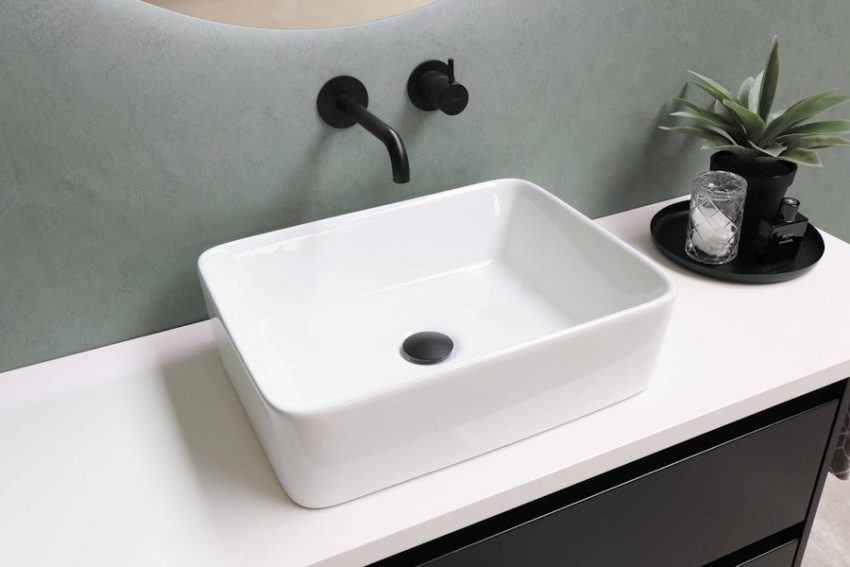
Swapping out dated faucets for EPA WaterSense-certified fixtures is one of the simplest places to start. These low-flow fixtures are designed to reduce water consumption without affecting pressure, making them a practical entry point into eco-friendly plumbing. Pair that with smart water leak detectors placed near appliances and supply lines, and a home’s water savings can compound quickly.
What often gets overlooked is that basic maintenance, like checking for slow drips or inspecting shutoff valves, counts as an improvement too. Small, unaddressed leaks are frequently behind surprisingly high monthly bills, and knowing when to call in Gundlach’s home service pros versus handling things yourself can make a real difference, especially when a simple fixture swap uncovers worn connections or hidden leaks underneath. For homeowners looking to go further, there are smarter ways to cut water waste worth exploring beyond the basics.
Plumbing Upgrades with the Biggest Payoff
Not every upgrade requires a major investment or a full weekend of work. The improvements that tend to deliver the most noticeable results are the ones that address everyday water use directly, starting with the fixtures homeowners interact with most.
Low-Flow Fixtures and WaterSense Faucets
Replacing older faucets and showerheads with WaterSense-certified, low-flow fixtures is one of the fastest ways to reduce water waste without changing daily habits. These fixtures are engineered to maintain adequate pressure while using significantly less water per minute, which translates directly into lower utility bills over time.
Smart Leak Detectors and Basic Maintenance
Smart water leak detectors placed near appliances, water heaters, and supply lines can catch problems before they become expensive. Beyond the technology, basic maintenance tasks like inspecting shutoff valves, checking for slow drips, and clearing mineral buildup from aerators are simple improvements in their own right. Together, these habits and tools support the kind of consistent, low-effort upkeep that keeps a plumbing system running efficiently.
Upgrades That Improve Comfort Every Day
The upgrades covered above focus largely on efficiency, but plumbing improvements also have a direct effect on how comfortable a home feels to live in day to day. The changes in this section are the ones homeowners tend to notice most immediately.
Better Water Pressure and Cleaner Water
Low water pressure is one of those daily frustrations that feels minor until it isn’t. In many older homes, the issue isn’t the main supply but rather aging pipes, mineral buildup inside fixtures, or a pressure regulator that’s no longer doing its job.
Replacing corroded showerheads and aerators often restores pressure noticeably, since even partial blockages from scale and sediment reduce flow more than homeowners expect. Pairing those fixture changes with a whole-home or under-sink water filtration system adds another layer of benefit, addressing water quality alongside pressure. Filtered water also reduces the sediment that shortens fixture lifespan, and for households on municipal supply, it removes the taste and odor concerns that affect everyday use.
Bathroom Fixes That Feel More Modern
Bathroom plumbing upgrades tend to have a disproportionate effect on how a home feels overall, since bathrooms are used multiple times daily. Swapping out an older toilet for a dual-flush model gives homeowners direct control over water use per flush without sacrificing function.
Energy-efficient fixtures like low-flow showerheads and updated faucet cartridges can modernize an older bathroom without a full renovation. The visible and functional difference is immediate.
When a Simple Fix Is No Longer Enough
There’s a point where fixture swaps and routine maintenance stop being sufficient. When the plumbing system itself is aging, the symptoms start showing up in ways that no showerhead upgrade can resolve.
Signs Your Plumbing Needs More Than Updates
Discolored water, persistent low pressure across multiple rooms, or pipes that make knocking sounds under normal use are all signals worth taking seriously. Homes with original galvanized pipes are especially prone to interior corrosion, which restricts flow and introduces rust into the supply.
For homeowners already keeping your pipes in top shape through regular maintenance, these signs indicate that the system itself needs attention, not just the fixtures connected to it.
Pipe and Water Heater Changes Worth Planning
When galvanized pipes or aging copper pipes reach the end of their lifespan, pipe replacement becomes the more cost-effective path. PEX piping has become a widely used alternative, offering flexibility, corrosion resistance, and easier installation in tight spaces.
Water heaters follow a similar logic. A tankless water heater costs more upfront than a traditional tank unit, but it heats water on demand, reducing energy use over time and freeing up physical space in the process.
FAQs
What Are the Easiest Plumbing Improvements to Make at Home?
Replacing faucet aerators, installing low-flow showerheads, and adding leak detectors near appliances are among the most accessible starting points. None require professional installation, and all three produce measurable results quickly.
Do Simple Plumbing Upgrades Really Lower Utility Bills?
Yes, particularly water-efficient fixtures and leak repairs. Utility bills often reflect small, ongoing waste rather than major failures, so targeted upgrades address the source directly.
Which Plumbing Improvements Add the Most Home Value?
Bathroom fixture updates, tankless water heaters, and pipe replacements in older homes consistently support resale value. Buyers notice both function and efficiency, making these upgrades relevant to home value well beyond daily comfort.
Choose the Changes You Will Notice Most
The right plumbing improvement depends entirely on what matters most to a particular household. Homeowners focused on water savings will find the most impact in fixture swaps and leak detection, while those thinking about longer-term home value may prioritize pipe replacements or tankless water heaters. Smart plumbing technology fits somewhere in between, adding both convenience and measurable efficiency. The best starting point is simply the one that matches the problem already present.