
You step on the bathroom scale, hold your breath, and look down. The number has dropped again. According to the dial, your strict diet and grueling cardio routine are working perfectly. Yet, when you look in the mirror, the reflection tells a completely different story. Your clothes fit strangely, your energy is flatlining, and instead of looking toned, you feel noticeably softer.
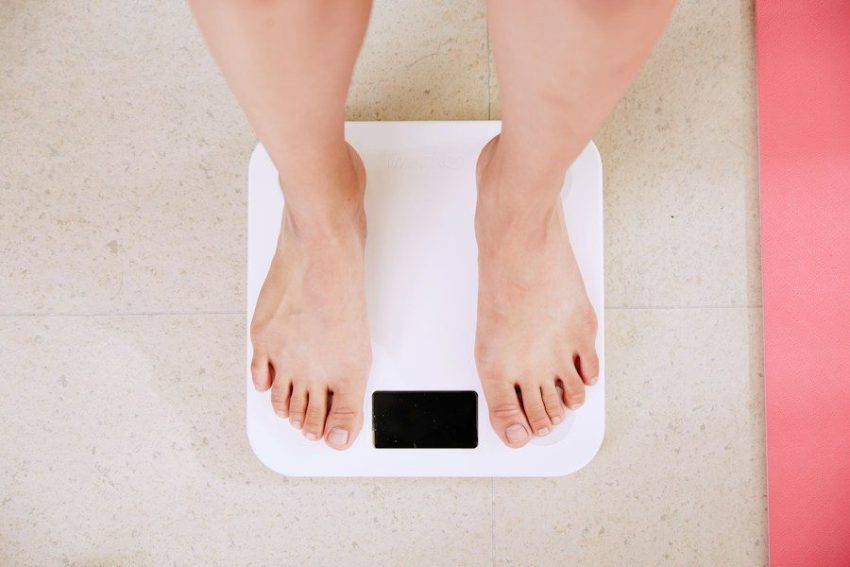
This is the frustrating reality of becoming “skinny fat.” You are doing everything right by traditional standards, but the results just are not there. The problem is not a lack of willpower. The issue stems from a biological reality that most popular diet plans completely ignore: weight loss does not always equal fat loss.
As we age, our bodies experience significant metabolic shifts that make holding onto lean tissue much harder. In fact, after age 30, adults can naturally lose 3% to 5% of their muscle mass per decade. This natural decline puts you at a severe disadvantage. If you lose weight incorrectly, you risk accelerating this process, leaving you looking flabby despite shedding pounds.
To truly change how you look and feel, you have to stop focusing on overall weight loss. You need a new approach. The only way to build a lean, strong physique is to start measuring the specific differences between your water weight, fat reserves, and muscle mass.
Key Takeaways
- Standard bathroom scales and basic BMI calculations cannot distinguish between losing stubborn body fat and losing valuable muscle tissue.
- Aggressive calorie deficits combined with excessive cardio often force the body to cannibalize its own skeletal muscle for survival.
- Clinical-grade testing provides exact, scientific measurements of your body fat, muscle balance, and water distribution.
- Access to actionable data allows you to precisely adjust your nutrition and resistance training to protect lean mass and burn actual fat.
The “Skinny Fat” Phenomenon: Why Your Scale is Lying to You
Total body weight is an incredibly deceptive metric. When you weigh yourself, that number represents a combination of everything inside you. It includes your water retention, internal organs, bone density, muscle tissue, and body fat. Dropping pounds simply means your overall mass is shrinking. It tells you absolutely nothing about what specific tissue you are losing.
This is the fundamental flaw of standard tracking methods. Relying on basic guidelines like Body Mass Index (BMI) or cheap home scales creates a highly misleading picture of your metabolic health. These tools operate on assumptions rather than facts. Standard assessments simply cannot distinguish between fat, muscle, and bone mass. A heavily muscled athlete and an out-of-shape individual can easily share the exact same weight and BMI.
Consider this common scenario. If you drop eight pounds in a single week, you might naturally want to celebrate. But what if six of those pounds were just water weight and the remaining two pounds were valuable muscle tissue? In reality, your body fat percentage just went up. You are actually moving backward in your fitness journey, actively damaging your metabolism while cheering for a dropping number.
To truly understand your weight loss and ensure you are burning fat rather than cannibalizing muscle, you need to look beyond the scale. You must utilize clinical-grade body composition testing to reveal exactly what is changing inside your body.
The Mechanics of Hidden Muscle Loss
You might wonder why the body would ever choose to burn muscle instead of fat. The answer lies in our evolutionary survival mechanisms. When you drastically slash your calories and spend hours on the treadmill, your body does not know you are trying to look good for a beach vacation. It assumes you are starving.
Severe calorie restriction and excessive cardiovascular exercise send a massive panic signal to your central nervous system. In response, your body adapts to conserve energy. Because body fat is an excellent, energy-dense survival reserve, your system fiercely holds onto it.
Instead of burning fat, the body turns to a more accessible energy source to meet the demands of your heavy cardio routine. It begins to break down and cannibalize its own skeletal muscle. Muscle tissue is metabolically expensive to maintain. By shedding muscle, your body intentionally lowers its resting metabolic rate to survive on the low amount of food you are providing.
Research indicates that standard weight loss interventions often result in a detrimental loss of skeletal muscle alongside fat mass unless specific, targeted interventions are applied.
| The Goal | Total Weight Loss | True Fat Loss |
|---|---|---|
| Primary Focus | Making the scale go down | Improving physical composition |
| Common Method | Severe calorie restriction & heavy cardio | Slight calorie deficit & resistance training |
| Metabolic Result | Slows metabolism by burning muscle | Boosts metabolism by building muscle |
| Visual Outcome | “Skinny fat” and softer appearance | Toned, lean, and athletic appearance |
Without a reliable way to measure what is happening internally, dieters remain entirely unaware of this destructive process. They keep slashing calories and adding miles to their runs, completely blind to the fact that their routine is actively degrading their metabolism.
What is Body Composition Testing?
Body composition testing is the definitive solution to the blind spots of traditional dieting. It is a precise, non-invasive assessment method that breaks your total body weight down into its core compartments. Instead of one vague number, you receive a detailed analysis of your Body Fat Percentage, Skeletal Muscle Mass, and Total Body Water.
Professional facilities utilize advanced technology to capture these metrics, with the InBody 570 scanner being a prime example. These machines use a process called Bioelectrical Impedance Analysis (BIA). While it sounds complex, the execution is incredibly simple and takes less than a minute to complete.
The clinical accuracy of this specific technology is staggering. Advanced BIA methods boast a 98% correlation to DEXA scans, which the medical community considers the gold standard for body composition analysis.
This level of precision sits in stark contrast to the cheap “smart scales” you can buy online for your bathroom. Home scales rely heavily on empirical estimations. They take your age, gender, and height, and essentially guess your body fat based on average population data. Professional testing does not guess. It relies strictly on direct, reproducible measurements to tell you exactly what is happening under your skin.
How Direct Impedance Technology Works
Understanding how this technology works helps highlight why the data is so reliable. Advanced scanners utilize Direct Segmental Multi-Frequency BIA (DSM-BIA). This method does not treat your body as one giant mass. Instead, it measures your body as five distinct cylinders: your left arm, right arm, left leg, right leg, and your trunk. This provides exact data on your segmental muscle balance, showing you exactly where you are building strength or losing mass.
The physical process uses an 8-Point Tactile Electrode Method. By requiring you to stand on footpads and grip handles, the machine sends safe, low-level electrical currents through fixed points on your wrists and ankles. This specific starting placement eliminates variables like skin thickness and contact resistance, ensuring the measurement is consistently accurate every time you test.
Furthermore, the technology uses multiple frequencies to travel through your body. Lower frequencies navigate around your cells, while higher frequencies penetrate the cell walls. This allows the machine to measure both your intracellular and extracellular water. By tracking your fluid levels this closely, the test easily identifies if your sudden weight loss was just a shift in hydration rather than actual fat burning.
Actionable Recomposition Strategies: Using Your Data
Having accurate data is only half the battle. The true value of body composition testing lies in how you apply the results to your daily life. When you get your report, you can finally stop guessing and start executing a targeted recomposition strategy.
One of the most valuable metrics on your results sheet is your Basal Metabolic Rate (BMR). This number tells you exactly how many calories your body burns at rest just to stay alive. You can use your exact BMR to create a smart, non-destructive calorie deficit. Instead of starving yourself, you eat just enough to encourage fat loss while providing enough energy to keep your metabolism running efficiently.
Your data will also guide your exercise and nutrition habits. If your test shows declining skeletal muscle mass, you immediately know you need to adjust your protein intake upward. It also signals a need to shift your workout focus. You can scale back the endless treadmill sessions and introduce targeted resistance training to protect and build your segmental lean body mass.
To ensure your data remains accurate as you track your progress over the months, you must follow strict preparation protocols before every test.
- Hydration: Maintain consistent water intake the day before your test.
- Fasting: Avoid eating food for at least 3 to 4 hours prior to stepping on the machine.
- Exercise: Do not work out before testing, as increased blood flow and sweat will alter your water measurements.
- Consistency: Always try to test at the same time of day under the exact same conditions.
By following these protocols and encouraging regular re-testing, you can graph your historical changes. Seeing your muscle mass hold steady or increase while your fat mass drops proves beyond a doubt that your new recomposition strategy is working.
Conclusion
Relying on a standard bathroom scale is a guaranteed recipe for frustration. It will inevitably lead you down a path of metabolic damage, prolonged plateaus, and hidden muscle loss. When you only track your total weight, you remain completely blind to the very changes you are working so hard to achieve.
Shifting your focus from simply “losing weight” to actively improving your body composition changes everything. It is the only reliable way to build a leaner, stronger physique while protecting your long-term metabolic health. By using clinical testing, you take the guesswork out of your diet and empower yourself with actual science.
Ultimately, your health and fitness are measured by what your body is actually made of, not how heavily it pushes down on a piece of glass in your bathroom.