
Key Takeaways
- Wellness-oriented features and eco-conscious materials are at the forefront of renovation projects.
- Kitchen and bathroom remodels remain the most sought-after, with a focus on personalization and usability.
- Home tech innovations are becoming integral to modern residential design.
Home remodeling in 2026 is being redefined by homeowners’ shifting needs and design aspirations. As lifestyles evolve, so too do priorities for residential renovations, blending quality-of-life improvements with modern conveniences. Whether you are planning a modest refresh or a major overhaul, staying up to date with trends like luxury custom home design can ensure your home remains both beautiful and functional.
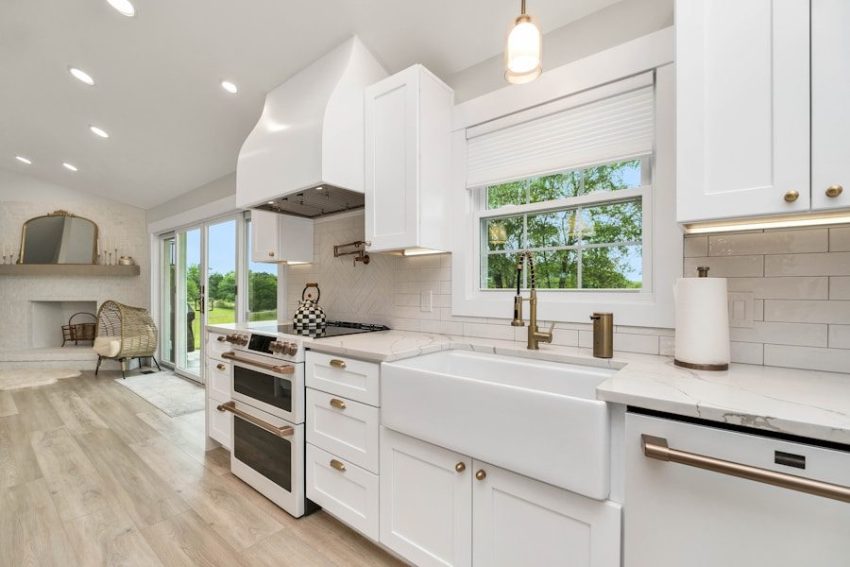
Designers and architects predict that the upcoming year will emphasize tailored spaces that support wellness, sustainability, and smart technology. Homeowners looking to maximize both value and comfort are increasingly selective about materials, layouts, and features. Staying informed about these developments helps ensure renovations meet the latest standards in style, performance, and efficiency.
From creative floor plans to high-end fixtures, today’s homeowners crave personalization that suits their unique routines. Updated kitchens and bathrooms continue to deliver strong returns on investment, but new emphasis is placed on natural elements and energy-saving systems. Strategic choices in these areas can boost resale value and daily enjoyment, according to sources such as Architectural Digest.
Addressing multigenerational living requirements and outdoor enhancements remains popular, while integrating technology and eco-friendly solutions adds long-term appeal. Selecting sustainable, timeless materials and embracing smart solutions can make any remodeling project more future-proof.
Emphasis on Wellness and Sustainability
The focus on wellness is transforming home renovation, bringing features like home gyms, meditation spaces, and natural lighting into the mainstream. This approach not only promotes physical and mental health but also enhances daily living. A rise in listings featuring “wellness features” reflects growing consumer demand for spaces that foster relaxation and personal care.
Sustainability is also capturing home renovators’ attention. Choices such as recycled countertops, bamboo flooring, and low-VOC paints are in demand, minimizing environmental impacts while reducing utility costs. Energy-efficient windows and solar-powered installations improve comfort and sustainability, aligning with HGTV’s recommendations.
Kitchen and Bathroom Remodels Lead the Way
Kitchen and bathroom updates remain top priorities, offering the best mix of return on investment and everyday function. New trends include custom cabinetry, cloud-inspired lighting, and statement tilework that reflect each homeowner’s personality. Large islands, smart storage solutions, and bold fixtures provide both utility and elevated style. Unique layouts, walk-in showers, freestanding tubs, and premium appliances are in high demand, balancing luxury and practicality.
In particular, many remodeling projects now emphasize accessible design, ensuring that kitchens and bathrooms are usable by people of all ages and abilities. This trend, sometimes referred to as “universal design,” includes features like wider doorways, lever handles, touchless faucets, and roll-in showers. There is also a growing fascination with high-performance, low-maintenance surfaces, think quartz countertops or porcelain slab backsplashes, that offer beauty alongside everyday resilience. Whether for busy families or those planning to age in place, these enhancements combine style and smart functionality.
Integration of Smart Home Technology
Technology seamlessly weaves into every aspect of the modern home. Installations of smart thermostats, digital assistants, touchless faucets, and integrated lighting systems are becoming standard practice. Enhanced security features, such as app-controlled locks and video doorbells, not only increase convenience but also appeal to homebuyers who prioritize technology and connectivity. This integration is setting new expectations in the property market and adds a layer of future-readiness to homes.
Additionally, whole-house automation systems are gaining traction, allowing homeowners to control climate, lighting, security, and entertainment from a single app or voice command. With advancements in smart sensors, customized home environments are becoming more adaptive, think lighting that adjusts to circadian rhythms. These HVAC systems sense occupancy, or leak detection systems that send alerts. As energy costs rise, technologies that offer granular control and monitoring also help reduce carbon footprints and lower bills.
Open Floor Plans with Defined Spaces
Open floor plans remain prevalent, yet many homeowners now seek ways to create distinctive zones within them. Sliding glass partitions, half-walls, and strategically varied flooring help delineate quiet nooks for working from home, hosting guests, or unwinding. These features preserve the airy, communal feel while enabling greater privacy and function tailored to the home’s evolving roles.
The use of flexible furnishings, folding screens, modular sofas, and convertible desks further supports multifunctional use of space. As remote work and hybrid schedules persist, interest in acoustically treated micro-offices, built-in study corners, and stylish room dividers continues to grow. This movement links back to the overarching goal: creating homes that adjust gracefully to the many facets of modern life, from entertainment to productivity to relaxation.
Outdoor Living Spaces
Expanding functional living areas outdoors is an ongoing trend. Features such as covered patios, fire pits, and fully equipped outdoor kitchens extend a property’s year-round usability. Comfortable, stylish seating, weatherproof entertainment systems, and lush landscaping are popular additions that enhance the enjoyment and value of the space.
For homes in regions with distinct seasons, four-season rooms and insulated sunrooms are gaining popularity, enabling families to enjoy natural surroundings even during colder months. Outdoor upgrades also frequently include drought-tolerant landscaping, native plantings, and water-smart irrigation, balancing aesthetic appeal with environmental stewardship. The creation of serene outdoor retreats, complete with privacy fencing and ambient lighting, is seen as a natural extension of the wellness trend.
Multigenerational Living Accommodations
Modern families are frequently accommodating parents, grandparents, or adult children within the same household. Renovations now often include building in-law suites, adding secondary entrances, or creating flexible rooms that support multiple generations while preserving privacy. These adaptations ensure long-term suitability as family needs shift.
Designers are also embracing options for shared spaces that promote togetherness, such as multipurpose family rooms or adaptable dining areas, while adding private bedrooms and en-suites for greater independence. Multigenerational living may also include amenities such as kitchenette nooks, accessible bathrooms, and shared laundry spaces, reflecting a thoughtful approach to coexistence and independence under one roof.
Use of Natural Materials
Natural materials such as wood, stone, and woven fibers are seeing renewed interest for their beauty, durability, and eco-friendliness. Incorporating organic elements connects indoor environments to nature, fostering a sense of calm and authenticity. Sustainable sourcing and craftsmanship remain key for homeowners wanting a timeless, green footprint in their remodels.
Textural contrasts highlight the unique appeal of surfaces such as reclaimed timber, lime-washed walls, and terrazzo flooring. Biophilic design, an approach that prioritizes nature-inspired colors, textures, and patterns, further blurs the line between indoor luxury and outdoor tranquility. Fresh-air ventilation systems and living green walls are also gaining prominence, helping homes feel healthier, fresher, and more harmonious with the natural world.
Conclusion
Home remodeling trends in 2026 reflect a blend of innovation, sustainability, and adaptability. From wellness-centered upgrades and natural finishes to advanced smart home integrations, today’s projects go beyond aesthetics. Investing in features that support personal well-being and responsible design not only enhances daily life but also keeps homes current with market and lifestyle demands. Staying on top of these trends can ensure any home improvement project delivers lasting value and satisfaction.