
Quick Answer
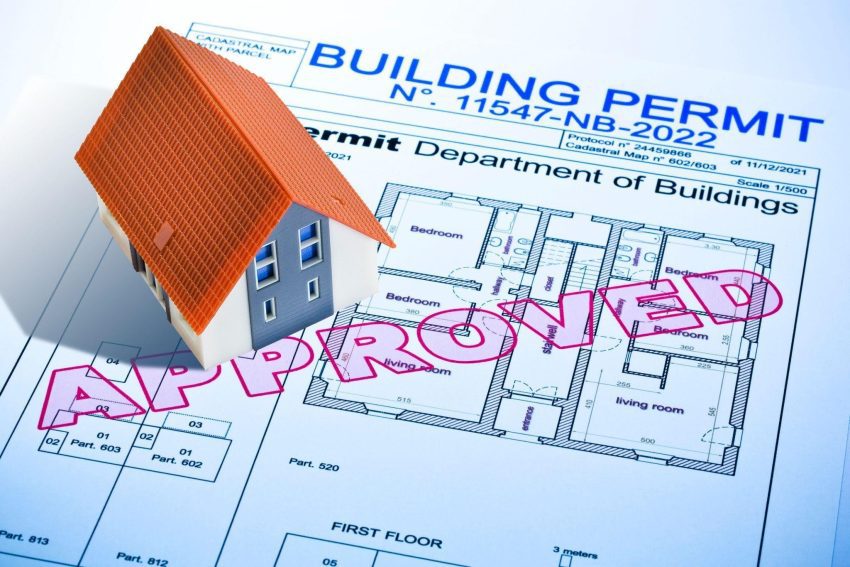
A building permit is the city’s stamp of approval that your project meets safety codes and zoning rules. In Airdrie, you generally need one for structural changes, finished basements, decks over two feet high, detached garages above 10 square metres, hot tubs, and most electrical, plumbing, or gas work. Smaller cosmetic jobs like painting or flooring usually don’t. Getting the right permit upfront keeps you safe, legal, and protects your home’s value down the road.
Introduction
You finally booked the contractor, picked the tile, and cleared the basement for that overdue reno. Then someone asks the question that stops everything: “Did you pull a permit?” If that’s hit you before, you’re in good company. Most homeowners only start thinking about permits once the project is already moving.
Building permits exist to protect you, your family, and your investment. Whether you’re tackling a basement suite, adding a deck, or planning bigger home renovations in Airdrie, knowing what needs city approval saves money and headaches later. Skip a permit and you can end up with fines, doubled fees, a failed home sale, or an insurance claim that gets denied.
This guide breaks down which projects need a permit in Airdrie, which ones don’t, and why the city takes it seriously.
Which Projects Need a Permit
Airdrie follows the Alberta Safety Codes Act and the National Building Code (Alberta Edition). Those rules exist for safety, structural integrity, and zoning. The Building Inspections team at the City of Airdrie reviews applications, approves plans, and inspects work along the way. Knowing which projects fall under their watch is the first step to staying compliant.
Renovation Work That Triggers a Permit
If your project changes the structure, function, or major systems of your home, expect to need approval. These are the most common triggers for a home renovation in Airdrie:
- Finished basements, including framing, drywall, egress windows, and any secondary suite
- Decks more than two feet above grade, plus any roof or enclosure over a deck (open pergolas excluded)
- Detached garages and sheds over 10 square metres (roughly 107 square feet)
- Hot tubs and swimming pools holding more than 0.6 metres of water, including above-ground models
- Structural changes like removing load-bearing walls, adding windows, or building additions
- Accessory permits for electrical wiring, plumbing, gas hook-ups, HVAC swaps, hot water tanks, and even gas BBQ lines
- Fences over a certain height and retaining walls above the thresholds set in the Land Use Bylaw
A simple rule from city inspectors: if a component is functional, serves a purpose, and could pose a safety risk, it likely needs a permit.
Jobs You Can Usually Skip the Paperwork On
Plenty of upgrades don’t need paperwork, which is good news for smaller updates. Cosmetic and surface-level work generally doesn’t require city sign-off.
| Project | Permit Required? |
| Painting interior or exterior | No |
| Replacing flooring (same layout) | No |
| Swapping cabinets without moving plumbing | No |
| Replacing a furnace or water heater | Yes |
| Building a new fence over the height limit | Yes |
| Re-shingling your roof | Usually no |
| Adding a basement bedroom | Yes |
If you’re unsure, call Airdrie Building Inspections at 403.948.8832 before you start. A two-minute phone call has saved a lot of people a lot of money.
Building Permit or Development Permit?
These two get mixed up constantly. A building permit confirms your construction meets code. A development permit, governed by the Land Use Bylaw, deals with how land is used: zoning, lot coverage, setbacks, and what kind of structure belongs where. Bigger projects often need both. A basement secondary suite, for example, needs development approval for the change of use, plus a building permit for the actual build.
What Happens If You Skip One
A lot of homeowners look at the application fee, weigh the hassle, and decide to skip it. It almost never works out. Airdrie inspectors regularly catch unpermitted work during resale inspections, neighbour complaints, or follow-ups on related jobs. The consequences get expensive quickly.
The Hidden Costs of Unpermitted Work
When the city finds work done without approval, the permit fee doubles. If drywall, insulation, or finishes need to come down so inspectors can check wiring, framing, or plumbing, the bill climbs higher again. Add the cost of redoing anything that didn’t meet code, and a few hundred dollars in permit fees can turn into a five-figure problem.
The trouble doesn’t stop at the cash register. Other knock-on effects include:
- If a fire starts in unpermitted wiring, your provider may refuse the claim
- Failed home sales, since realtors flag unpermitted basements, decks, and hot tubs, and buyers often walk
- Forced removal orders for non-compliant structures, sometimes torn down entirely at the owner’s expense
- Personal liability if someone is injured by uninspected work
Choosing a Contractor Who Handles Permits
Most reputable home renovation contractors handle permits as part of the job. They know which forms to file, what drawings the city expects, and how to schedule the framing, electrical, and gas inspections so the project keeps moving. Solid contractor services in Airdrie should be able to answer three questions before you sign anything:
- Will you pull the permits in your name?
- Are your trades licensed for electrical, plumbing, and gas work?
- Can you walk me through the inspection schedule for my project?
A direct answer to all three is reassuring. Hesitation on any of them tells you something useful.
The New $100 Trade Permit Fee in 2026
Starting January 2026, Airdrie charges a $100 fee on each homeowner-led trade permit for electrical, plumbing, and gas. Hired contractors are exempt. For anyone planning a DIY basement or a bigger home reno, that’s worth building into your budget, or one more reason to bring in someone licensed.
Doing the paperwork properly costs a bit of time upfront. It costs a lot less than fixing things after the fact.
The Bottom Line
Permits aren’t there to slow you down. They’re how Airdrie keeps homes safe and your investment protected when it’s time to sell, refinance, or file an insurance claim. A bit of paperwork in advance is a small price for that.
Before any major project, take five minutes to check with the city or a trusted contractor about what your specific job needs. Airdrie renovations move faster when the approvals are sorted from day one rather than after the framing goes up. The same thinking applies to building permits Alberta wide, so if your plans grow beyond city limits, the principle stays the same.
Plan it, permit it, then build it.