
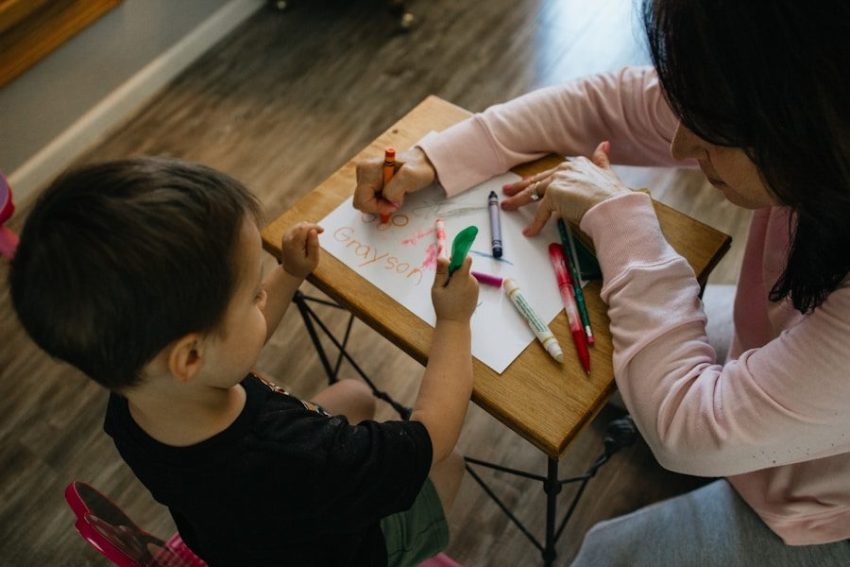
When you walk into a childcare center sometime mid-morning, you’ll hear what the children are doing much before you see it. The low hum of small voices tells you that an exciting activity is underway, and you notice that the room feels alive, but not in a chaotic manner. The teachers look immersed in guiding the children to draw or paint, moving around with purpose. What seem like ordinary activities are, in reality, part of a carefully constructed environment to help children learn and grow.
For families looking for childcare options, especially those researching childcare Salt Lake City programs, learning what a typical day looks like is essential for peace of mind. You may have already considered the costs and logistics of this arrangement, but evaluating the environment gives this entire exercise meaning. A quality childcare center goes far beyond playtime and offers learning in the form of meaningful activities and interactions.
A Warm and Welcoming Start to the Day
A reliable rhythm to the day is valuable, and a sound morning routine sets the tone. The first few minutes at the center, after parents drop off their children and say goodbye, are significant. At a quality center, staff greet each child individually as they walk through the door. Teachers follow this simple practice to build trust.
Some children are eager to start their day, while others seem hesitant. The teachers are trained to handle children with different emotional responses. They tackle separation anxiety in a calm, professional manner.
Structured Learning Through Play
A quality childcare center doesn’t separate play and learning. Every playtime activity is designed with intention. It supports children’s cognitive, social, language, and physical development.
You might see:
- Child-directed free play that builds independence, promotes creativity, and allows children to interact with others
- Circle time, which is a structured group activity to teach children numbers, letters, language, and social skills
- Morning snack time is a practical way to encourage children to develop self-help and communication skills
- Guided learning activities involve theme-based tasks that match a child’s developmental milestones
Building blocks, storytime, drawing, reading, and other activities teach children sharing and patience. Reputable centers show a real pedagogical approach, and good teachers work to expand a child’s thinking skills. Their language offers guidance rather than instruction.
Social Development In Everyday Moments
When two children share art materials, they are learning communication and self-regulation. Sharing toys, waiting for turns, resolving small conflicts, and other everyday experiences help build social confidence. Teachers and caregivers acting as coaches help children express themselves using words. They also prompt children to explore empathy by asking questions like, “How do you think they feel?”
None of these activities or questions is random, as these small moments teach children to connect with others.
Outdoor Time and Physical Development
A well-run childcare program considers outdoor activities a standard feature, not a bonus. Gross motor skills, spatial awareness, risk assessment, peer communication, and problem-solving happen in unstructured outdoor environments. Quality centers know that these experiences are critical. After all, the developmental research supporting this approach is clear. That’s why they make outdoor play a core part of the day.
Nutritious Meals and Restful Breaks
A balanced day involves both activity and rest, along with good, nutritious meals. At reputable centers, meals and naptime aren’t afterthoughts. They are included in the daily schedule for effective physical health and emotional balance.
While younger children follow structured sleep schedules, older ones who no longer need naps sit down to read or take up a slow, calming activity. Teachers use this time to update their records, prepare their next class, work with children who may need extra support, or plan new learning activities.
During mealtimes, children eat balanced, nutritious meals and learn the following:
- Conversation and connection in a group setting
- Simple table manners
- Self-feeding and cleaning up
Children feel focused and energized after a break, ready for further exploration and learning.
End-of-Day Transitions and Parent Communication
Staying connected with parents is part of the routine at a quality center. Teachers share updates in person when parents pick their children up, even as digital apps deliver daily reports right to parents’ phones. When required, staff reassures parents about their children’s safety, telling them about check-in and check-out procedures. They also share details about how surfaces, books, toys, desks, etc., are sanitized every day. This communication puts parents’ minds at ease.
As children get ready to go home, activities slow down; they may solve puzzles or create relaxed art until their parents arrive.
Final Thoughts
The right childcare center has well-designed routines and engaged teachers. They understand why early childhood development matters and help build a foundation for lifelong learning.