
Building or maintaining an energy-efficient home does not require ripping out walls or replacing every appliance at once. Most of the savings come from small, repeated habits and a handful of smart upgrades that homeowners can handle themselves or coordinate with a trusted local provider.
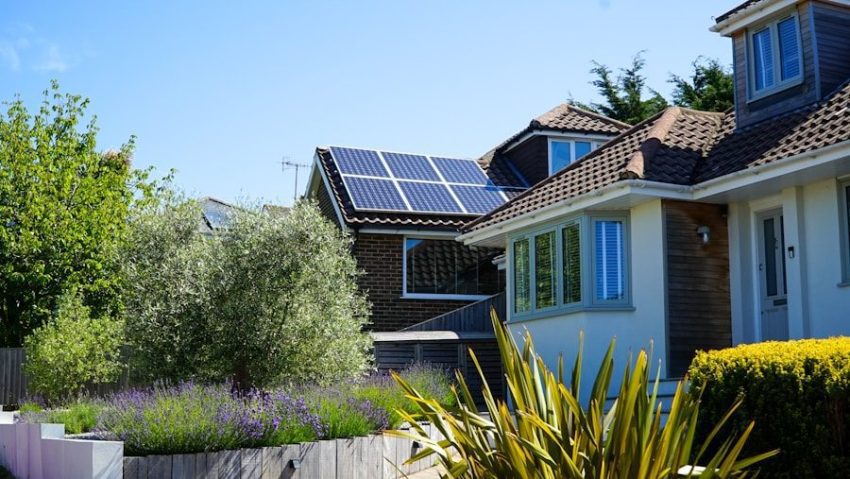
Long-established home comfort companies like Handy Bros point out that HVAC accounts for the largest single share of most homes’ energy use. Getting the basics right delivers savings that compound through every season.
What HVAC Habits Save the Most Energy?
Six habits do most of the work in lowering HVAC energy consumption.
- Replace filters monthly during heavy-use seasons. A clean filter lets the system breathe; a clogged one forces it to work harder for less output.
- Set the thermostat at moderate temperatures. Each degree warmer in winter or cooler in summer adds 1 to 3 percent to the energy bill.
- Close blinds during peak summer heat. Solar gain through south- and west-facing windows can add hours of cooling demand on hot days.
- Open windows on mild evenings. Free fresh air costs nothing and reduces HVAC runtime.
- Use ceiling fans alongside HVAC. Fans let occupants feel comfortable at warmer summer or cooler winter thermostat settings.
- Schedule heating and cooling around occupancy. Programmable thermostats deliver 10 to 15 percent annual savings without sacrificing comfort.
These habits cost nothing to adopt and start saving money the same week you implement them.
What DIY Upgrades Pay Back Fastest?
Several upgrades produce strong returns without requiring professional installation.
According to the U.S. Department of Energy, the highest-impact DIY HVAC tasks are filter replacement, weather stripping, and basic duct sealing around accessible joints in unconditioned spaces.
- Smart thermostat. Self-installable in most homes within an hour. Pays back through energy savings within the first year.
- Weather stripping. A few dollars in materials and a Saturday afternoon seals the air leaks around doors and windows that force HVAC to work overtime.
- Foam outlet gaskets. Pre-cut foam gaskets fit behind switch and outlet plates on exterior walls, sealing small but meaningful air leaks.
- Insulation top-up. Many attics have less insulation than current code requires. Adding blown-in insulation is a one-day project that delivers immediate winter savings.
- Duct sealing tape. Mastic tape applied to accessible duct joints in basements, attics, and crawl spaces stops conditioned air from leaking into unconditioned space.
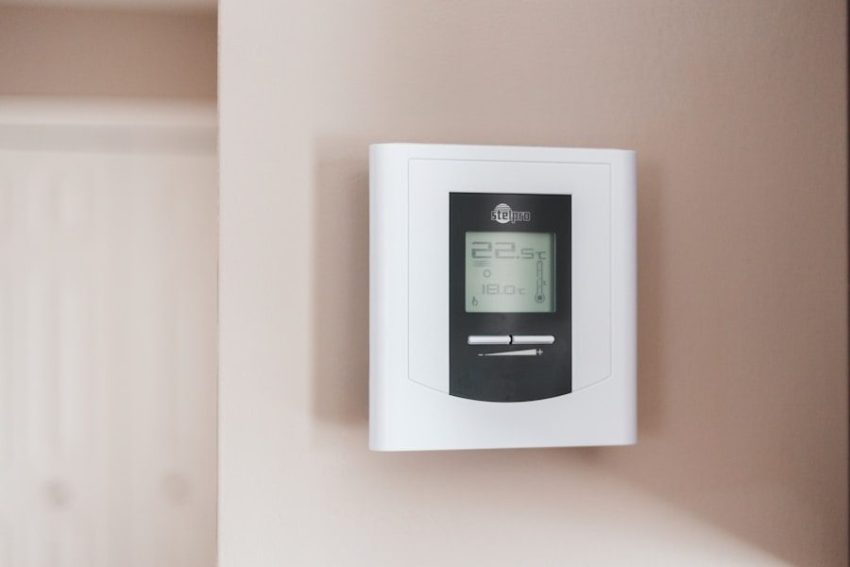
These five projects together cost a few hundred dollars and a couple of weekends, and they typically reduce HVAC energy consumption by 10 to 20 percent.
When Should You Bring in a Professional?
DIY has real limits. Several HVAC tasks require professional service to avoid damaging equipment or voiding warranties.
Refrigerant work is regulated. Only licensed HVAC technicians can legally handle refrigerants. If your AC needs a recharge or has a leak, that is a professional job.
Electrical work inside the equipment cabinet requires expertise. Replacing capacitors, contactors, or control boards calls for a qualified technician who can diagnose the underlying problem rather than just swap parts.
Annual professional tune-ups protect equipment warranties and catch small issues before they become weekend emergencies. Most warranty terms require professional service to remain valid.
System sizing for new installations is technical. A poorly sized system wastes energy for its entire 15-year life. Manual J load calculations done by qualified contractors prevent this expensive mistake.
How Should Homeowners Plan HVAC Investments?
Smart homeowners think in terms of three time horizons.
Now (this month). Replace filters, install a smart thermostat, weather strip doors, schedule a professional tune-up.
Soon (this year). Top up attic insulation, seal accessible ductwork, address any noticeable comfort problems before they become emergencies.
Later (within five years). Plan equipment replacement around expected end-of-life. Research efficient options. Investigate available rebates. Make the replacement decision before the equipment fails rather than during an emergency.
This staged approach prevents the panic-purchase scenario where a failed furnace or AC during peak season forces a rushed decision on the most expensive single equipment purchase most homeowners ever make.
Energy-Efficient Home Checklist
- HVAC accounts for the largest single share of most homes’ energy use.
- Six daily habits (filters, moderate temperatures, blinds, ventilation, fans, programmable schedules) save 15 to 25 percent annually.
- DIY upgrades like smart thermostats, weather stripping, and insulation pay back within the first year.
- Refrigerant work, electrical repairs, and system sizing require licensed professionals.
- Annual professional tune-ups protect warranties and extend equipment life.
- Plan equipment replacement before failure rather than during emergencies.
Comfort Built One Habit at a Time
Energy-efficient homes are not built in a single project. They emerge through accumulated habits and a sequence of smart upgrades that compound over time. Start with what you can do this week, plan the rest around your schedule and budget, and the savings will arrive every month from now on. Track your bills year over year so the results of each change are visible, and keep a simple log of when filters were swapped and tune-ups were booked. The homeowners who treat energy efficiency as an ongoing habit rather than a one-off renovation end up with lower bills, quieter rooms, and equipment that consistently outlasts the manufacturer’s estimated service life by years.
FAQ
How often should I replace my HVAC filter?
Every one to three months for standard pleated filters, more frequently with pets or seasonal allergies. Mark a calendar reminder so it actually happens.
Can I install a smart thermostat myself?
Most smart thermostats are designed for DIY installation in homes with standard low-voltage wiring. Older homes or those without a C-wire may need a professional or an adapter kit.
What temperature setting saves the most energy?
Setting your thermostat to 20 degrees Celsius (68 F) in winter and 25 degrees Celsius (78 F) in summer when home, with adjustments while away or asleep, delivers strong savings without significant comfort impact.
Are HVAC tune-ups really worth it?
Yes. Annual tune-ups catch developing issues, restore lost efficiency, and typically pay for themselves through reduced energy bills and avoided emergency repairs.