
Remote fencing works best when the pulse stays steady through sun, rain, and long gaps between chores. A dependable charger protects livestock, gardens, crops, and boundary lines by pairing solar input with stored energy. Choosing the right unit starts with understanding what the fence actually demands.
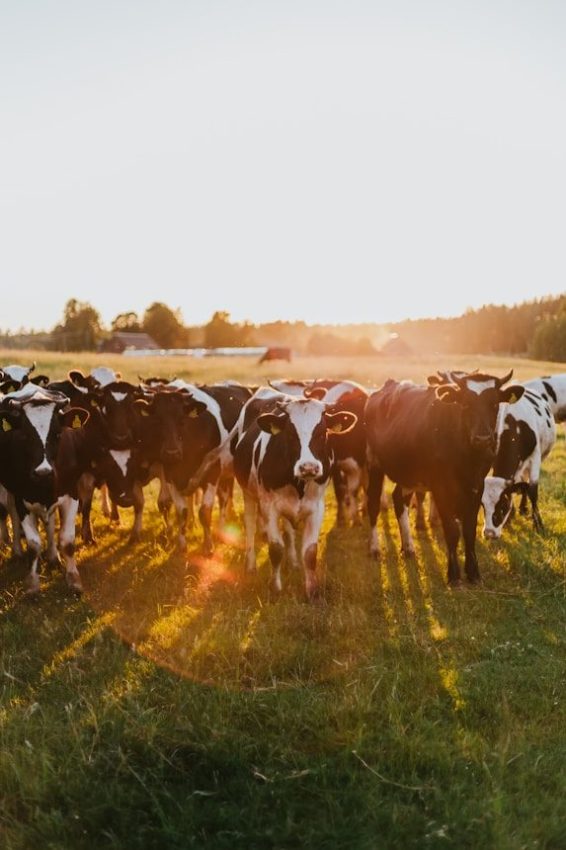
Selection should begin with fence load, animal pressure, battery reserve, and site exposure. A reliable solar electric fence charger prevents weak voltage, reduces repair trips, and helps our enclosures keep working where outlet power is unavailable. The following sections cover the key features to evaluate before making a purchase.
Match Power to Line Length
Line length tells only part of the story. Vegetation drag, wire count, netting, and animal pressure all increase demand. A solar electric fence charger needs enough stored output to push current through corners, gates, and distant runs. Short poultry pens may need modest energy, while cattle boundaries require a larger margin.
Check Joule Output
The Joule rating shows the energy released with each pulse. Low-load garden fences can perform with smaller units, but long wire runs need stronger delivery. Animals with dense coats, firm body mass, or bold habits often require more impact. Capacity should be matched to total conductive material, since wire distance creates the actual electrical burden.
Review Battery Reserve
Solar charging depends on daylight, yet fences must work after sunset. Battery reserve carries the system through cloud cover, winter light, and shaded periods. Better storage keeps voltage from fading before trouble becomes obvious. Sites with frequent overcast weather should use larger capacity because a tired battery can weaken the boundary during the hours animals test it most.
Look at Panel Size
Panel size controls how quickly stored charge recovers. Larger panels collect more light during short days, haze, or partial cloud. Federal solar energy guidelines also stress proper panel orientation for maximum output. Placement is just as important. Shade from trees, barns, or hills can cut charging time sharply. The panel should face open sun for most daylight hours, and adjustable mounts help maintain exposure through seasonal changes.
Confirm Animal Fit
Each species challenges fencing differently. Poultry and sheep may respect moderate output when netting stays clean and soil contact is good. Goats, hogs, deer, and cattle often need stronger pulses because they push, root, jump, or lean. Charger choice should reflect coat thickness, behavior, food pressure, and the risk created by escape.
Inspect Weather Protection
Outdoor chargers face heat, frost, rain, dust, and occasional impact. The housing should shield electronics while allowing safe ventilation. Terminals, switches, seals, and mounts need a firm, weather-ready feel. Ultraviolet-resistant casing helps prevent brittle cracks in exposed locations. Bright status lights also matter, because quick checks can catch trouble before voltage drops too far.
Check Grounding Needs
Grounding determines whether the pulse returns cleanly through the animal and soil. Dry sand, frozen ground, and rocky sites can reduce current flow. Clear terminal labels and grounding instructions make setup safer. Longer systems may need multiple rods. Clean clamps, tight wire contact, and corrosion control help preserve consistent shock strength.
Consider Fence Compatibility
The charger must suit the materials already on the property. Polywire, polytape, steel wire, rope, and electric netting all place different loads on an energizer. Netting often draws more current than a single strand. Before buying, compare supported fence types, rated distance, connector style, and room for future expansion.
Prioritize Simple Monitoring
Monitoring should be easy during normal chores. Clear charge lights, low-battery warnings, and simple voltage cues help crews catch weak output early. A separate fence tester can confirm strength at distant points. Controls should be readable with gloves and in poor weather. Simple feedback reduces guesswork during rotations, repairs, and livestock moves.
Compare Service and Parts
Dependability continues after installation. Replacement batteries, leads, mounts, and manuals should be available without a long search. Warranty terms need plain language and realistic coverage. Practical setup guidance can prevent common mistakes, especially with grounding and placement. A broad product range also helps, since growing operations may later need higher output or added accessories.
Conclusion
A dependable solar charger is chosen by field conditions, not price alone. Output, storage capacity, panel exposure, grounding, animal behavior, and fence material all shape performance. The best match leaves room for weeds, cloudy stretches, seasonal changes, and later expansion. With careful selection, fences stay active, chores become easier to plan, and remote areas gain steady protection without nearby outlet power.