
Owning a home brings financial responsibilities that do not always arrive on a convenient schedule. A mortgage payment might be manageable, but an unexpected repair, rising household expense, or temporary income disruption can put pressure on money already allocated elsewhere.

That timing matters when necessary expenses cannot wait until the next paycheck. Short-term borrowing can provide one way to cover a temporary shortage, but it also increases the total cost. Understanding the source of the gap, the amount needed, and the ability to repay can help homeowners decide whether borrowing makes sense.
1. A Major Household Repair Arrives Before Payday
Home repairs rarely follow a household’s preferred schedule. A refrigerator might stop working, a plumbing leak could require urgent attention, or a heating system might fail when available cash is already committed to other expenses.
The first step is determining how much of the repair actually requires immediate payment. A $1,500 plumbing bill does not automatically create a $1,500 shortage if some savings are available or part of the work can safely wait.
Regular maintenance can also reduce the risk of some avoidable repair emergencies. Developing practical habits for staying ahead of small home problems can help homeowners recognize warning signs, address minor issues, and identify repairs that deserve professional attention.
When an urgent repair cannot be postponed, available savings and payment arrangements with the service provider deserve consideration before borrowing. A dedicated emergency savings fund can help absorb unexpected costs without creating an additional repayment obligation.
2. An Essential Car Repair Disrupts the Household Budget
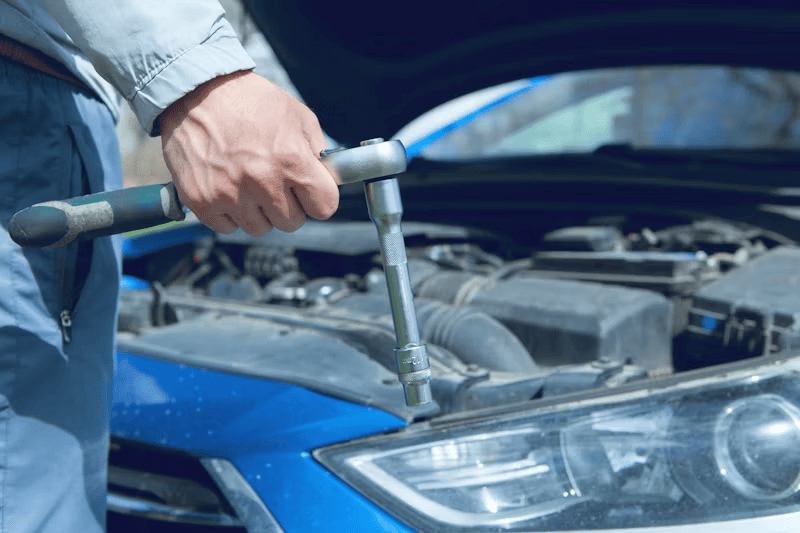
Reliable transportation is often necessary for keeping a household running. Commuting to work, taking children to school, attending appointments, and shopping for essentials can all become difficult when the family vehicle unexpectedly needs repairs.
Suppose a homeowner faces a $1,200 repair while the next paycheck is still two weeks away. Delaying the work could interfere with earning income or require several days of alternative transportation, adding another expense to an already strained budget.
The repair still needs to be assessed before financing is considered. Another vehicle might be available temporarily, the repair shop could offer a payment arrangement, or a qualified mechanic might identify which work requires immediate attention and which maintenance can safely wait. Requesting a written repair estimate that details parts and labor costs can also help prevent unexpected charges.
If those alternatives do not resolve the shortage, borrowing could help restore necessary transportation sooner. However, the repayment amount will still compete with mortgage payments, utilities, groceries, and other household commitments after the vehicle is back on the road.
3. Multiple Household Bills Strain the Monthly Budget
Not every cash-flow problem involves a sudden emergency. Sometimes, several ordinary household bills fall within the same week, leaving too little available money to cover an expense that would normally be manageable.
A mortgage payment, utility bill, insurance installment, and grocery spending can place considerable pressure on one paycheck. Before seeking additional funds, homeowners can identify the exact shortage and determine whether upcoming income will support another payment. If the shortage affects the mortgage, contacting the loan servicer first may reveal hardship assistance, repayment arrangements, or forbearance options.
When the shortage is temporary and available resources cannot cover a necessary expense, some homeowners might compare online short term loans with other borrowing options. Loan costs and eligibility requirements vary by lender, state, and product, making the APR, fees, repayment schedule, and total repayment amount important considerations.
A tight month also calls for a realistic view of future income. If the next paycheck is already committed to housing, transportation, and other essentials, adding a loan payment could create another shortage. Borrowing makes more sense when repayment fits without placing those obligations at risk.
4. Property Taxes or Insurance Payments Arrive at an Inconvenient Time

Some homeownership expenses are predictable even when their payment dates create financial pressure. Property taxes, homeowners insurance premiums, and other periodic obligations can arrive during a month when household spending is already unusually high.
Because these expenses are known in advance, they require a different response from an unexpected repair. A shortage might indicate that money for annual or semiannual obligations has not been set aside consistently, particularly when those costs are paid separately from the mortgage.
Before borrowing to cover the difference, a useful review includes:
- The amount due and payment deadline,
- Money already reserved for the expense,
- Income expected before the due date,
- Other household payments due that month,
- The cost and timing of any loan repayment.
Looking back over several months of household spending can also reveal periodic expenses that are easy to overlook in a monthly budget. Setting aside smaller amounts throughout the year can make future tax and insurance payments easier to manage without repeatedly relying on borrowing.
5. A Temporary Income Disruption Leaves Household Expenses Uncovered
A household budget can become strained when expected income is delayed or reduced. Fewer work hours, a delayed paycheck, or a temporary interruption in freelance income can leave homeowners facing the same bills with less money available to cover them.
Imagine a household expecting its usual income on Friday, only to learn that payment will arrive later than planned. The mortgage, utilities, and other expenses remain due, even though the money intended to cover them has not reached the bank account.
The practical response is to reassess the budget around funds that are actually available. Some service providers might allow revised payment dates, discretionary spending can be postponed, and existing savings could cover part of the gap while the income situation becomes clearer.
Short-term borrowing becomes harder to justify when repayment depends entirely on uncertain future earnings. A loan is easier to evaluate when the income disruption has a reasonably clear end point and the household has a realistic way to meet the repayment obligation without creating further financial pressure.
Keeping Homeownership Costs Manageable
Homeownership brings financial challenges that extend beyond the mortgage payment. Unexpected repairs, transportation problems, overlapping household bills, periodic property expenses, and disrupted income can each create a temporary shortage, even when the household budget is generally manageable.
Short-term borrowing can help address some of these gaps, but the decision depends on the actual amount needed, borrowing costs, repayment terms, and reliability of future income. Keeping emergency savings available, planning for less frequent expenses, and evaluating repayment carefully can help homeowners manage temporary financial pressure without allowing it to become a longer-term problem.