
Key Takeaways
- Speed, sale price, and convenience usually involve tradeoffs.
- A traditional listing can attract more buyers, but it may require repairs, showings, and time.
- Cash offers can reduce financing delays, but the final terms still need careful review.
- The best offer is based on estimated net proceeds, not the largest headline price.
- Clean paperwork, realistic pricing, and quick responses can prevent avoidable closing delays.
- Homeowners behind on payments should contact their mortgage servicer before making a rushed decision.
Why Selling Quickly May Make Sense
Selling a home on a short timeline can be necessary for many reasons. A job relocation, divorce, inherited property, changing household needs, costly repairs, or financial pressure may make a fast and predictable sale more valuable than waiting for the highest possible offer. Homeowners comparing options can begin by reviewing local solutions such as https://www.readydoorhomes.com/ alongside traditional sale methods.
Waiting for a higher offer has a cost. Mortgage payments, property taxes, homeowners’ insurance, utilities, maintenance, and unexpected repairs continue until the transaction closes. In some cases, those carrying costs can reduce or eliminate the benefit of holding out for a larger sale price.
A fast sale is not automatically the best choice. The right approach depends on the property’s condition, the owner’s available equity, the need for privacy, the desired closing date, and the amount of money needed after closing. The goal is to choose a path that fits the seller’s actual situation.
Start With a Clear Selling Goal
Before contacting an agent, investor, or direct buyer, define what “fast” means for your household. A seller with several months may be able to prepare the home and target a broader market. Someone who needs to close within two weeks may reasonably prioritize certainty and a simpler process.
For example, a homeowner researching how to sell my house quickly in Memphis, TN, may need a flexible move-out date, an as-is transaction, or a closing schedule that works around a new job. Identifying those needs early makes it easier to compare offers fairly.
- Choose the latest closing date you can accept.
- Estimate how much money you need for moving, debts, or another home.
- Decide whether repairs fit your time and budget.
- List personal priorities, including privacy, fewer showings, or delayed possession.
- Separate true requirements from preferences.
Compare the Main Ways to Sell a House Fast
There is no single best sales method. Consider the practical benefits and limitations of each option before committing.
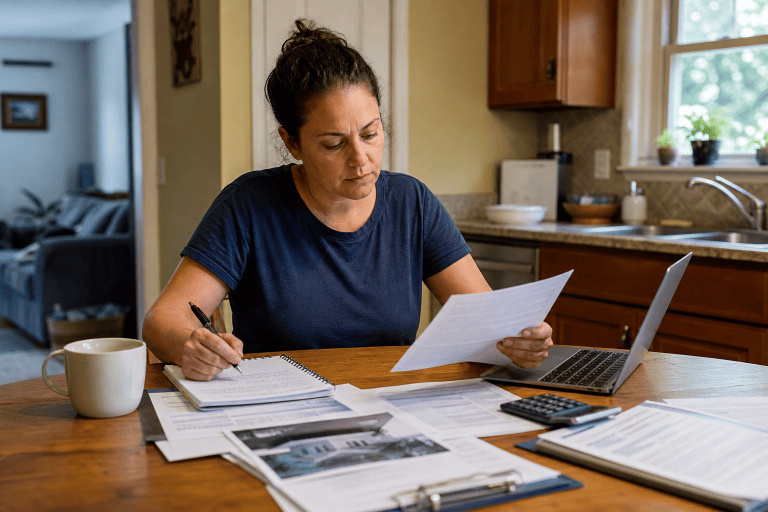
- Traditional listing: This approach provides broad exposure to buyers and may produce a stronger market price. However, it can involve cleaning, repairs, photos, showings, inspections, appraisals, negotiations, and financing delays.
- For-sale-by-owner: Selling without a listing agent can give an owner more control and may reduce costs. It also places the responsibilities for pricing, marketing, screening, paperwork, and negotiation on the seller.
- Cash offer: A direct cash buyer may offer fewer financing contingencies, a shorter preparation period, and a flexible closing date. The offer may be lower than a retail-market sale, so compare the full financial picture.
- Online auction: Auctions establish a defined sale period and can bring multiple bidders. Results can vary based on demand, property type, reserve terms, and auction fees.
Build a Realistic Net-Proceeds Estimate
The highest offer is not always the strongest offer. Calculate what you are likely to keep after every expected expense, rather than comparing only the purchase price.
Estimated Net Proceeds = Sale Price − Selling Costs − Mortgage Payoff − Repair Costs − Carrying Costs
Include agent commissions or service fees, seller-paid closing costs, repairs, cleaning, moving expenses, mortgage payoff amounts, liens, taxes, insurance, utilities, and payments due while the home remains unsold. Also consider likely inspection credits or price reductions.
For instance, a $300,000 offer that requires $25,000 in repairs and three more months of $3,000 in carrying costs may leave less than $280,000 as-is, with lower fees and a quick closing. Rounded estimates are enough to identify which option better supports your goal.
Prepare the Property Without Overspending
Low-Cost Steps That May Help
- Remove clutter and personal items from main rooms.
- Clean bathrooms, kitchens, floors, windows, and entry areas.
- Improve dim lighting and replace obvious burned-out bulbs.
- Fix small issues such as loose railings, leaking faucets, broken handles, and damaged screens.
- Trim plants, clear walkways, and make the exterior approachable.
- Gather permits, warranties, utility records, and repair receipts.
When Major Repairs May Not Make Sense
A full renovation may not be worthwhile when repair costs are uncertain, work would exceed your deadline, or you would need to borrow money to complete it. This is especially true for major roof, structural, electrical, or water-damage issues. Preparation should support the sales plan, not create a new financial burden.
Review a Cash Offer Carefully
A cash offer can simplify a sale, but it should still be reviewed line by line. Confirm the buyer’s legal name and business address, request written proof of funds, and check every deduction from the purchase price. Ask whether inspections can lead to a later price change, who pays title and escrow costs, and when possession transfers.
Use an independent title company or real estate attorney when appropriate, and do not sign incomplete documents. Be cautious if a buyer asks for an upfront fee, pressures you to sign immediately, discourages legal advice, or requests ownership documents before payment is secured.
Know What to Do If Mortgage Payments Are Behind
Selling quickly is only one possible response to payment trouble. Homeowners should contact the mortgage servicer as early as possible and ask about available loss-mitigation options. The CFPB outlines foreclosure-avoidance options, including speaking with the servicer, seeking help early, and watching for scams.
If the home has equity, a standard sale may pay off the loan and leave proceeds for the seller. A short sale generally requires lender approval because the sale price does not fully cover the mortgage balance. A deed instead of foreclosure involves transferring the property to the lender and can have serious consequences. Read every notice carefully, since deadlines, loan terms, and state rules can affect the available choices.
Use Independent Guidance and Keep Closing Moving
Financial stress, probate, divorce, title issues, and inherited homes can complicate a sale. HUD-approved housing counseling can help homeowners assess mortgage concerns, default-resolution questions, and housing barriers before they accept an offer.
To reduce closing delays, locate identification, mortgage account details, property tax records, insurance information, surveys, permits, warranties, and repair invoices. Order a mortgage payoff statement, disclose known defects and liens, respond promptly to title requests, keep utilities active until closing, and review the settlement statement before signing.
Conclusion
Selling a house fast requires more than finding the first buyer. Compare the timeline, repair demands, risks, fees, and estimated proceeds for every option. Whether a traditional listing or a cash sale is the better fit, the strongest decision is one that meets your deadline, protects your interests, and leaves no important cost or contract term unexplained.