
Polished concrete has quietly moved from warehouses and showrooms into ordinary homes. What was once an industrial surface is now a design feature, prized for its clean look and toughness. If you have admired that sleek, glossy floor somewhere, you have seen the appeal.
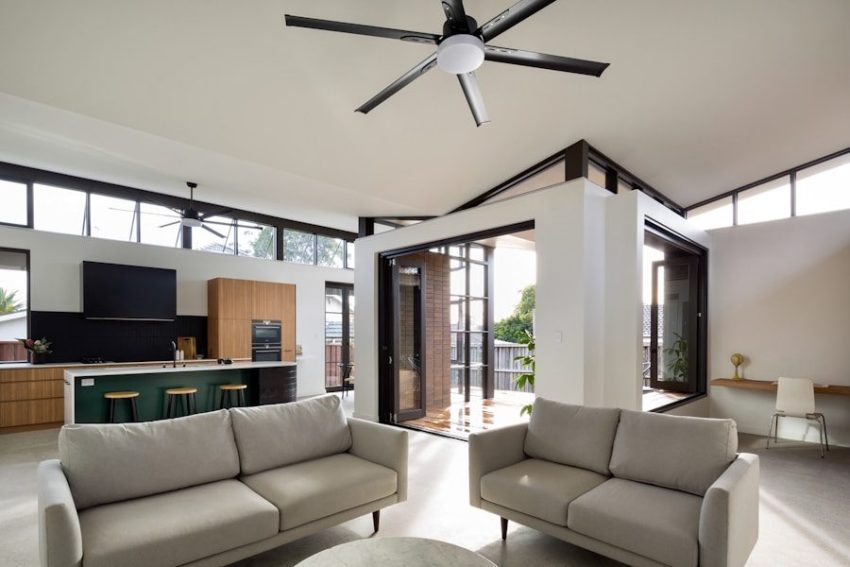
Before you commit, it helps to know what you are getting into. Working with a specialist in polished concrete Adelaide can turn a dull slab into a striking, low-maintenance floor. This guide covers what polished concrete is, why homeowners love it, how it is made, and whether it suits your home.
What Is Polished Concrete, Exactly?
Polished concrete is not just sealed or painted concrete. It is a slab that has been mechanically ground and refined until the surface itself shines.
The process uses progressively finer grinding tools, much like sanding wood from coarse to smooth. Specialists work through several grit levels, often from around 30 up to 3000, to reach the finish you want. That finish can range from a soft matte sheen to a high, mirror-like gloss. The result is a hard, smooth surface that is part of the floor, not a coating on top of it.
That distinction matters for durability. Because the shine is the concrete itself, it cannot peel or flake the way a surface coating can. It is one of the most permanent flooring choices you can make.
Why Choose Polished Concrete Floors?
The popularity is not just about looks, though the looks help. Polished concrete earns its place on practical grounds.
The main draws are clear:
- Durability, with a properly polished floor lasting 20 years or more.
- Low maintenance, needing little beyond regular sweeping and mopping.
- Cost, often running a competitive 3 to 8 dollars per square foot.
- Style, giving a clean, modern base for almost any decor.
It also pairs beautifully with other elements, acting as a calm backdrop for modern living room ideas. The toughness of concrete is well documented by the Portland Cement Association, and that strength is exactly what makes the floors last. Resale-minded owners like that buyers read it as a premium, modern finish. For busy households, that blend of looks and resilience is hard to beat.
How Does the Polishing Process Work?
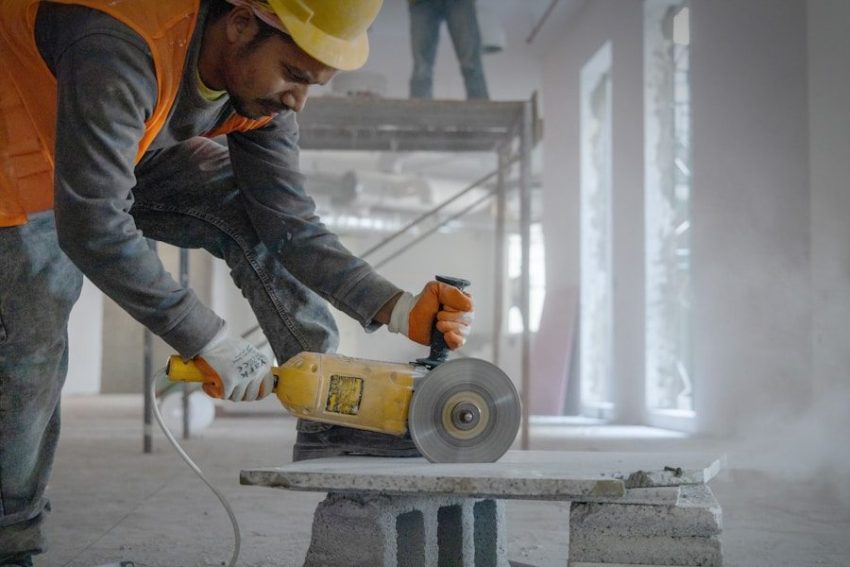
Turning a plain slab into a polished floor is skilled work. It follows a clear sequence from rough to refined.
The job runs in stages:
- Prep, repairing cracks and stripping any old coatings.
- Grinding, working through coarse grits to flatten the surface.
- Polishing, moving to finer grits for the chosen sheen.
- Sealing, applying a densifier and guard to protect the finish.
Each stage builds on the last, which is why rushing ruins the result. The grinding also creates fine dust, so professionals work under strict rules for crystalline silica. A skilled crew with the right gear is what separates a flawless floor from a patchy one.
Is It Right For Your Home?
Polished concrete is wonderful, but it is not for every room or every household. A little honesty here saves regret later.
Consider the trade-offs. The floors are hard underfoot, which some people dislike in bedrooms or long-standing kitchens. They can feel cold without underfloor heating, though they also hold heat well in sunny rooms. You also need a suitable slab, since not every existing floor is a good candidate.
On the plus side, they are superb for high-traffic and open-plan areas. They suit allergy-prone homes too, since there is no carpet to trap dust. Pet owners appreciate how easily spills and hair wipe away. A floor this durable is as dependable as a well-built garage workbench, built once to last for years.
A Floor Built to Last
Polished concrete rewards homeowners who want style and durability in one surface. It is a long-term choice that asks little once it is down. Few upgrades pay off so steadily over time.
Keep this short checklist in mind:
- Check the slab, since the existing concrete must be suitable.
- Hire a specialist, because the finish depends on skilled grinding.
- Weigh comfort, deciding where hardness and warmth matter to you.
Do that, and you end up with a floor that looks sharp and shrugs off years of use. For the right home and the right rooms, few surfaces offer so much for so little upkeep.
Frequently Asked Questions
How Long Do Polished Concrete Floors Last?
With proper care, a very long time. A well-installed polished concrete floor can last 20 years or more, and the slab itself can endure for decades beyond that. Periodic resealing keeps the finish looking its best. Because the shine is ground into the concrete rather than coated on top, there is no surface layer to peel, which is a big reason for the longevity.
Are Polished Concrete Floors Expensive?
They are often surprisingly competitive. Costs commonly run between 3 and 8 dollars per square foot, depending on the slab’s condition and the finish you choose. That is frequently less than premium tile or hardwood, especially over the floor’s long life. Since maintenance is minimal, the lifetime cost is lower still, which is a major part of the appeal for many homeowners.
Can Any Concrete Floor Be Polished?
Not always, so an assessment is wise. The slab needs to be in reasonable condition, structurally sound, and thick enough to grind. Very damaged, uneven, or thin floors may need repair first or may not be suitable. A professional can test the surface and advise honestly. This is one reason an expert assessment is worth getting before you plan the project.
Are Polished Concrete Floors Cold or Slippery?
They can feel cool, but it is manageable. The floors hold temperature well, so they stay warm in sunny rooms and pair nicely with underfloor heating. As for grip, a quality polished floor is not as slippery as people fear, and anti-slip treatments are available. Area rugs add warmth and traction in spots where you want a softer feel underfoot.