
Inheriting a coin collection often brings back memories of a parent, grandparent or other relative who spent years quietly adding to it. Some collections arrive neatly arranged in albums. Others turn up in shoeboxes, old envelopes, jam jars or the back of a desk drawer that hasn’t been opened since the 1990s. Before anyone decides what to do with them, it’s worth taking the time to understand what the family actually has and whether any pieces deserve a closer look.
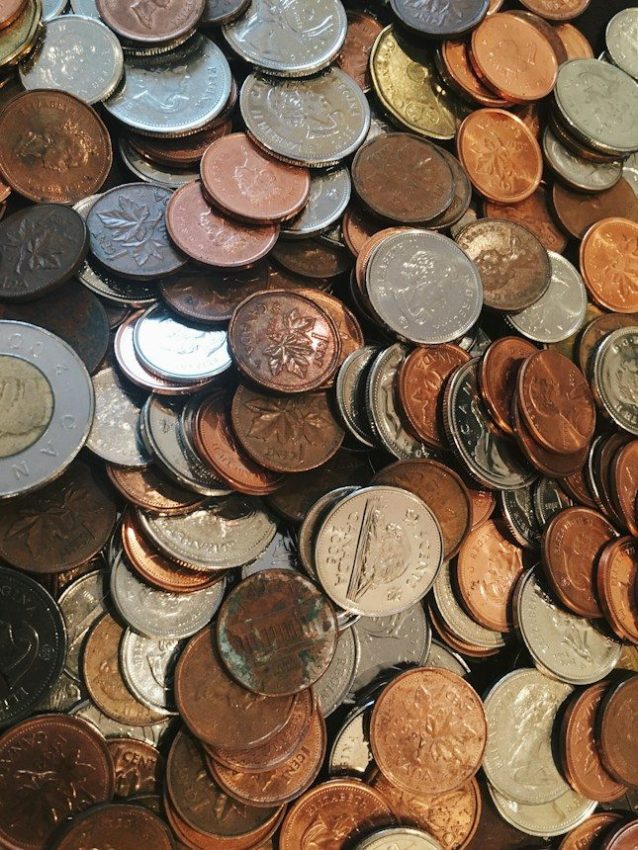
Selling inherited coins can be a sensible way to settle an estate, share belongings fairly among relatives or turn things nobody uses into money that does some good. Not every coin is worth the same, though, and a collection’s appearance rarely tells the full story. A tin of dull old pennies might be just that. It might also hide one coin that’s worth more than everything else put together. A careful approach helps families avoid damage that can’t be undone, make better-informed choices and keep disagreements to a minimum while they work through it all.
-
Preserve the Coins Before Examining Them
One of the most important rules with inherited coins is simple: they’re best left uncleaned. A coin that looks grubby or tarnished can seem to be crying out for a polish, and it’s an easy mistake to make on a quiet Sunday afternoon with a cloth and a bottle of something from under the sink. Cleaning, however, can scratch the surface, strip away the natural finish and take a real bite out of a coin’s appeal to collectors.
Collectors and professional evaluators pay close attention to condition when working out what a coin is worth. Abrasive cloths, household cleaners, metal polish and even careless handling can leave marks that are very hard to reverse. A coin that has sat undisturbed for decades is often worth more if it stays exactly as it was found. In this case, doing nothing is usually the smart move.
When coins do need to be handled, holding them by their edges with clean, dry hands keeps fingerprints and oils off the surfaces. Rubbing them, or shuffling them from one container to another, does more harm than most people realize. If the collection is already sitting in protective holders, albums or individual envelopes, there’s rarely any good reason to take it out. Grandad’s careful labelling might turn out to be just as useful as the coins themselves.
Home remedies for discoloration are best avoided too, however tempting the tips on social media might look. When there’s any doubt about a coin’s condition, keeping it safe is a far better bet than experimenting with it.
-
Create an Inventory of the Collection
Before anyone contacts a buyer or books an appraisal, a basic inventory makes life much easier. It gives the family a clearer view of the collection and means that conversations with relatives or an evaluator start from the same page, rather than from three people’s half-remembered guesses about what was in the blue album.
The most useful details to record, wherever possible, are:
- The country that issued each coin.
- The denomination, such as one cent, five cents, or one dollar.
- The year and mint mark, if visible.
- The number of coins in each group.
- Any unusual designs, inscriptions, or visible errors.
- The type of storage, including albums, holders, or original packaging.
Photographs are a great help when documenting a collection. Clear pictures of both sides of individual coins, or of a few representative examples from a larger group, are usually enough. There’s no need to pull coins out of protective holders just to get a better shot. A phone camera near a bright window does the job surprisingly well.
The inventory doesn’t have to identify every coin perfectly. Its real purpose is to show what the family owns and flag the pieces that may need further research. It helps to keep the collection in its original order while the list is being made, without mixing coins from different albums or labelled containers. Once a carefully sorted set has been tipped into one big bowl, it’s very hard to put back together.
-
Understand the Difference Between Metal and Collectible Value
A common mistake is assuming that a coin’s worth depends entirely on the metal it’s made from. In reality, a coin can be valuable for quite a few different reasons.
Metal value refers to the value of the precious metal inside a coin, based on things like its gold or silver content and current metal prices. This matters most with bullion coins and with older coins struck in precious metals, the kind that feel noticeably heavier in the hand than modern change.
Collectible value reflects things such as rarity, condition, historical importance, demand and how many comparable examples are available to collectors. A coin with very little precious metal in it may still draw strong interest from collectors. Meanwhile, a coin that does contain precious metal may be valued mainly for its bullion content and not much else.
The two categories can overlap. A gold coin, for example, may carry both its intrinsic metal value and extra numismatic value on top. Age alone, though, guarantees nothing. A coin can be a hundred years old and still be one of millions just like it.
That’s why decisions based purely on a coin’s date, color or how old it looks can go badly wrong. Pinning down the exact issue and understanding its condition are the steps that lead to a more realistic picture.
-
Research Unfamiliar Coins Carefully
A little basic research helps families spot the coins that deserve extra attention. Reference books, reputable numismatic organizations and educational resources can explain mint marks, historical designs, grading terms and the small differences between coin varieties. An evening spent with a good reference guide often answers more questions than a week of guesswork.
The United States Mint provides historical information about U.S. coin designs and production. The American Numismatic Association also offers educational resources for people who are just starting to learn about coins and collecting.
When looking into prices, it’s important to tell asking prices apart from completed sales. An online listing shows what a seller hopes to get, which isn’t necessarily what anyone has actually paid. Plenty of coins sit online for months at hopeful prices without a single offer. Completed sales of comparable coins give much more useful context, although differences in grade, authenticity and market conditions still make a real difference.
Online claims that a common coin is worth a small fortune deserve a healthy dose of caution. Viral posts and one-off listings can set wildly unrealistic expectations, particularly when nobody has checked the coin’s condition or confirmed its exact variety. Most families who rush to check their spare change after one of those posts end up with exactly what they started with.
Research works best as a way to narrow down questions. It isn’t a replacement for a professional evaluation when a potentially significant coin is involved.
-
Compare Appraisals Before Accepting an Offer
Once the collection has been inventoried, families can think about having selected coins, or the whole collection, evaluated. Getting more than one opinion often helps set a reasonable range for potential offers. It can also reveal how differently two people look at the same collection, which is useful to know before any money changes hands.
It’s important to know exactly what kind of valuation is on the table. An appraisal for estate paperwork, insurance or a charitable donation may be worked out on a different basis from a dealer’s offer to buy. A retail estimate isn’t necessarily what a buyer will pay to acquire the same item, in much the same way that the sticker price on a used car rarely matches what a dealer offers for a trade-in.
A good evaluator will happily explain how a figure was reached. Useful questions to raise include:
- Which coins appear to have collectible value beyond their metal content?
- Are any pieces worth obtaining a more detailed examination for?
- Is the estimate based on comparable sales, metal content, or another method?
- Does the quoted amount represent an appraisal or an actual purchase offer?
- Are there any fees, deductions, or conditions attached to the transaction?
Written estimates make comparisons far easier, especially when the details start to blur after a few appointments. Where possible, it’s worth making sure every evaluator is looking at the same coins and knows whether the family wants an overall estimate for the collection or an offer for specific items.
-
Choose a Buyer Based on Clear Information
After gathering the facts, a family may decide to sell some coins, sell the whole collection or hold on to certain pieces. If selling is the chosen route, the best transactions are the ones that are easy to understand and leave room for questions. Nobody wants to walk out of a shop unsure of what just happened.
Before agreeing to anything, it helps to know how the coins will be examined, whether individual items will be looked at separately and how the final offer will be calculated. The payment method and any conditions attached to the sale are also worth confirming up front, rather than discovering them at the counter.
Dallas residents looking into local options can learn more about US Gold and Coin in Dallas as part of their search for information about selling coins. Any prospective buyer still deserves an independent look, with questions asked about the proposed transaction and offers compared where it makes sense. Mentioning a business as an option doesn’t take away the need to judge whether it’s the right fit for a particular collection.
There’s no need to feel pressured into accepting an offer on the spot. A buyer who insists the price is only good for the next ten minutes is giving a family every reason to slow down. If the collection includes coins that look unusual or potentially valuable, a second opinion can be especially worthwhile. The aim is to understand the collection well enough to make a decision that genuinely suits the family.
-
Discuss Ownership and Family Expectations
Inherited collections often carry emotional weight as well as financial value. A coin that looks ordinary to a dealer might be the one a grandmother kept on her bedside table for forty years. Before anything is sold, it’s important to establish who actually owns the coins and whether the estate process has been completed. When several relatives have an interest, talking through the plan before individual items are sold or handed out saves a great deal of trouble later.
An inventory with photographs helps everyone see exactly which items are included, even relatives who live in another state and can’t come round to look in person. Some families also find it helpful to set aside the coins with sentimental meaning before deciding what they’re comfortable selling.
When an estate has several beneficiaries, disagreements can flare up over whether a particular coin is kept, divided or sold. Family gatherings have been soured by less. A documented valuation and a shared understanding of how decisions will be made go a long way toward heading off misunderstandings.
If ownership is unclear, or the collection is caught up in an estate dispute, it’s wise to get proper legal or estate-administration guidance before any sale goes ahead.
-
Keep Records of the Final Transaction
If the family decides to sell, it’s worth keeping a copy of the final offer, any itemized description, payment records and relevant appraisal documents. Photographs and inventory notes also help show which coins were part of the sale. A simple folder kept in one place is often all it takes.
Depending on the circumstances, inherited property and its later sale may have tax implications. It isn’t safe to assume that the whole sale amount automatically counts as taxable income, and it isn’t safe to assume that no tax applies either. The treatment can depend on the estate’s circumstances, the property’s basis and other applicable rules. A qualified tax professional can explain what applies to a particular transaction, which is far better than finding out from an unexpected letter the following spring.
Good records are worth keeping even when the collection is fairly small. They give a clear account of what was sold, when the sale took place and how the money was handled. Years later, when someone asks what happened to Uncle Ray’s old silver dollars, the answer is right there.
Make an Informed Decision About Inherited Coins
Selling inherited coins doesn’t have to be rushed. By preserving the collection, building an inventory, researching unfamiliar pieces, understanding the difference between metal and collectible value and comparing appraisals, Dallas families can go into the process with far more confidence.
Some collections turn out to hold genuine rarities. Others are valued mainly for their metal content or attract only modest interest from collectors. Either way, careful preparation means families understand their options before they commit to anything.
In the end, the best decision rests on reliable information, honest conversations among family members and a fair understanding of what the collection contains. Whether the coins are sold, shared among relatives or kept as a reminder of someone who loved them, taking the time to evaluate them properly protects both their potential value and their place in the family’s story.