
Gutters are the most ignored part of a house until the day they fail. They sit quietly along the roofline doing unglamorous work, right up until water starts going where it should not. By then the damage is usually already done. It is the rare home system that only gets noticed when it breaks.
For homeowners, getting them right is cheaper than fixing what they prevent. An Atlanta specialist like Urban Seamless Gutters, which installs and maintains seamless systems across the metro area, exists because this small system protects a very large investment. This guide explains why gutters matter and how to keep yours working.
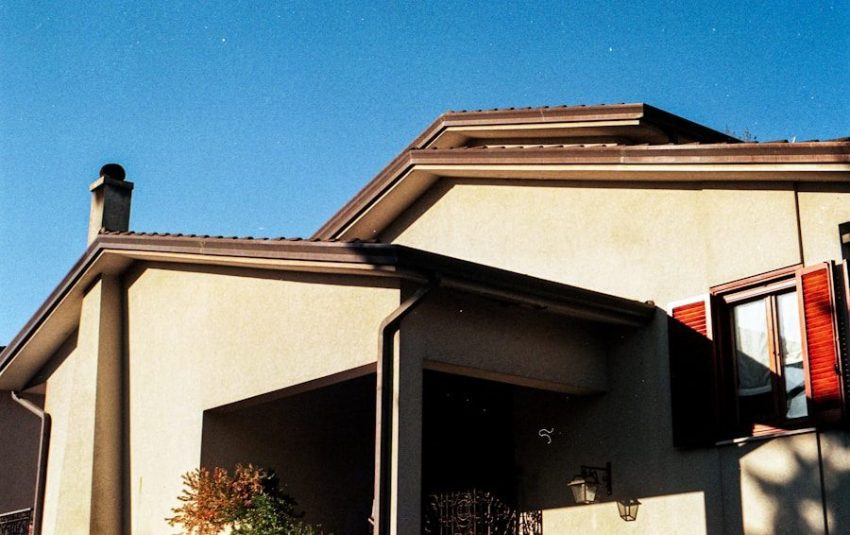
What Do Gutters Actually Protect?
Gutters protect the single most expensive part of a house: the foundation. Their job is to catch roof runoff and carry it far enough away that it never pools against the base of the home. Get that wrong and everything above it is at risk. The fix is cheap; the failure rarely is.
The volume involved surprises people. A few inches of rain can shed several thousand gallons off an average roof, all of which has to go somewhere. InterNACHI, the home inspectors’ association, recommends moving that runoff 4 to 6 feet away from the foundation.
The chain of protection is wide. Working gutters guard the foundation, the siding, the landscaping, and the basement all at once. A fresh, straight system even lifts curb appeal, the same way a sharp house number does.
What Goes Wrong When You Ignore Them?
When gutters clog or sag, water stops going where it should and starts going everywhere else. It overflows the edge, runs down the siding, and saturates the soil against the foundation. Small neglect becomes a structural problem. The repair bill always dwarfs the maintenance cost.
The damage compounds quietly. Water that reaches the wrong places causes the kind of water damage that warps floors, cracks foundations, and feeds mold. None of it is cheap to undo.
Atlanta makes this worse than most places. Heavy summer storms and abundant tree cover mean gutters fill fast and get tested hard. A system that works in a dry climate can be overwhelmed here. Volume and debris are a constant test, not an occasional one.

How Should You Maintain Them?
A little routine keeps a gutter system doing its job. The basics are straightforward:
- Clean them twice a year, more often under heavy trees.
- Check the downspouts, since clogs hide where you cannot see.
- Watch for sagging, a sign the hangers are failing.
- Look for overflow lines, the streaks that mean trouble.
- Extend the downspouts, so water lands well clear of the base.
- Consider guards, which cut cleaning dramatically.
Where the water ends up matters as much as catching it. The EPA’s downspout guidance recommends directing flow to a lawn, garden, or rain barrel rather than straight onto pavement. Sending it to the street wastes the whole effort.
When Should You Call a Pro?
Plenty of gutter work is a reasonable weekend job, but some of it is not. Call a professional when:
- The roof is steep or high, where a fall is a real risk.
- The gutters sag or pull away, which means refastening or replacing.
- You want seamless gutters, which are custom-cut on site.
- Overflow continues after a thorough cleaning.
- You are installing guards, where fit determines whether they work.
A licensed local installer handles all of this in a day, often with a long labor warranty behind it. That is usually money better spent than a ladder and a lost Saturday.
What Every Homeowner Should Know
- Gutters mainly protect the foundation, the costliest part of a house.
- A few inches of rain sheds thousands of gallons that must be redirected.
- Downspouts should carry water 4 to 6 feet from the foundation.
- Clean gutters twice a year, more often under heavy tree cover.
- Steep roofs, sagging gutters, and seamless installs are jobs for a pro.
Protecting the House From the Top Down
Gutters are a small line item that quietly decides whether water helps your landscaping or wrecks your foundation. Keep them clean, point the water away from the house, and bring in a pro for the work that earns it. Handled well, the whole system disappears into the background, which is exactly where good gutters belong. A short seasonal check is usually all it takes to keep them there.
Frequently Asked Questions
How Often Should Gutters Be Cleaned?
At least twice a year for most homes, typically in late spring and late fall. Houses under heavy tree cover, common across Atlanta, often need cleaning three or four times a year. Skipping cleanings lets debris build up, which causes overflow and the water damage that gutters are meant to prevent in the first place.
Are Seamless Gutters Worth the Extra Cost?
For most homeowners, yes. Seamless gutters are cut to fit on site, so they have far fewer joints, which are the spots where standard gutters leak and clog over time. The result is a cleaner look and fewer failure points, which usually means less maintenance and a longer service life overall.
Do Gutter Guards Actually Work?
Good ones do, when they are installed correctly. Guards keep leaves and debris out so water flows freely, which cuts cleaning frequency sharply. They are not fully maintenance-free, and fit matters a great deal, so professional installation is often what separates guards that work from ones that simply clog on top.
Can Bad Gutters Really Damage My Foundation?
Yes, and it is one of the most common causes of foundation trouble. When gutters fail, water pools against the base of the home, saturates the soil, and can crack or shift the foundation over time. Directing roof runoff several feet away from the house is one of the cheapest forms of foundation insurance there is.